



# AdBlue Def Fluid – Complete Guide, Causes & Fixes
Introduction
If your vehicle uses adblue def fluid to meet stringent emissions standards, you’re in the right place. This complete guide covers what adblue def fluid is, why it’s essential, common problems, and practical fixes you can tackle yourself or know when to call a pro. Whether you’re a DIYer or a cautious car owner, you’ll find clear explanations, practical steps, and cost estimates to keep your diesel running clean and compliant.
What it is / Explanation
– AdBlue Def Fluid is a high-purity urea solution used in selective catalytic reduction (SCR) systems on modern diesel engines. When injected into the exhaust, it reacts with NOx to form harmless nitrogen and water.
– In Europe, “AdBlue” is a widely recognized brand name, while in the United States and other regions the term DEF (Diesel Exhaust Fluid) is more common. Both refer to the same ISO 22241-compliant urea solution.
– The system relies on a DEF reservoir, dosing pump, heaters (in some models), sensors, and a catalytic SCR body to reduce NOx emissions. The fluid itself is simple but the system is precision-tuned, so quality and correctness matter.
Common Causes
– Low or empty DEF reservoir. If you run out, the SCR system cannot operate, triggering warnings and potential limp mode.
– Contaminated or non-ISO 22241 fluid. Impurities or the wrong fluid type can clog the dosing system or degrade catalyst performance.
– DEF pump failure or clogged lines. A failing pump or blocked supply lines prevents proper dosing.
– Faulty DEF sensor or level sensor. Inaccurate readings can cause premature warnings or incorrect dosing behavior.
– DEF heater failure or freezing. In cold climates, DEF can freeze; a faulty heater or improper temperature management can cause flow issues.
– Leaks in DEF lines, injectors, or injection nozzle. Leaks waste fluid and can damage components or trigger alarms.
– SCR or DPF-related faults. If the diesel particulate filter (DPF) or SCR catalyst is damaged or degraded, the system may throw codes or limit engine power.
– Improper storage or aging. Exposure to heat, sunlight, or prolonged storage can degrade DEF quality and reduce performance.
Symptoms / How to Identify the Problem
– Warning lights on the dash: AdBlue/DEF fault, engine management light, or specific SCR/system warnings.
– Limp mode or reduced power. Some manufacturers limit torque or speed if DEF issues persist.
– Repeated or failed cold starts after refilling. In colder climates, DEF freezing or heater faults can cause slow starts or no start.
– Low DEF level messages even after topping up, or multiple refills required in a short period.
– Visible leaks around the DEF reservoir, hoses, or dosing components.
– Unusual nozzle sounds or vibration from the pump area, or abnormal pump cycling.
– Engine running rough or fuel economy changes after DEF problems (less directly than a misfire, but related to exhaust aftertreatment).
Step-by-Step Troubleshooting Guide
Start with safety and paperwork:
– Park on a flat surface, engine OFF, lights off. Engage parking brake. Check owner’s manual for any model-specific cautions.
– If the vehicle has a stored DTC (fault code), read it with an OBD-II scanner. Note any SCR/DEF-related codes and interpret them with your service manual.
Triage: quick checks you can do yourself
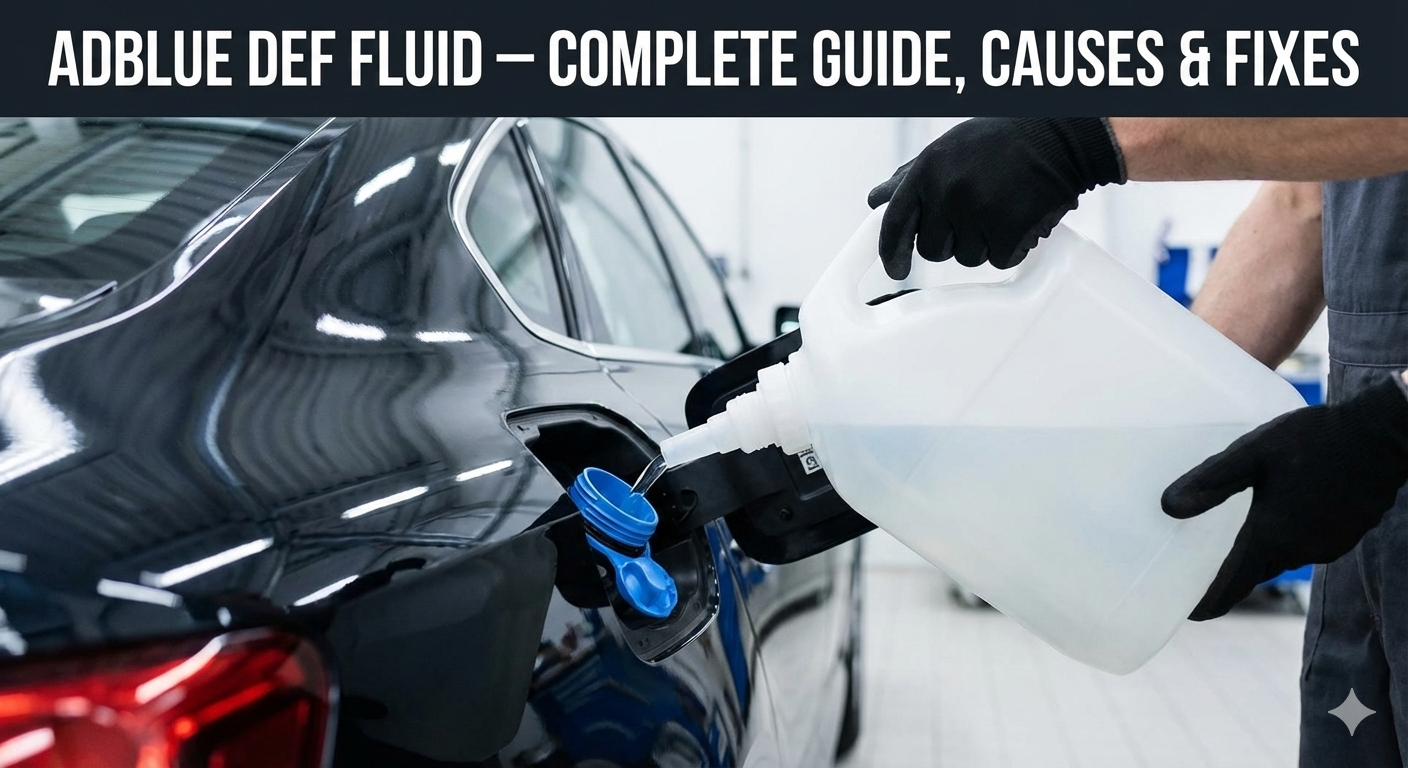
– Check DEF level: is the reservoir near the minimum line? If low, fill with ISO 22241-compliant DEF from a reputable source. Do not mix with other fluids.
– Inspect DEF fluid quality: the fluid should be clear, colorless, and free of sediment. If you see milky, cloudy, or brown fluid, or a strong ammonia odor, replace it and flush if necessary.
– Inspect the reservoir cap and hoses for cracks or leaks. Tighten or replace if damaged.
– Check the DEF dosing unit and lines for kinks, leaks, or obvious blockages. Look for wet spots or frozen lines in cold climates.
– Check the exhaust aftertreatment area for warning indicators, unusual stains, or discoloration around the SCR cooler or catalyst.
Mid-level checks (requires more tools or knowledge)
– Read and interpret DTCs. Codes related to DEF quality, dosing, or the SCR system should guide which component to test first (sensor, pump, injector, heater, or catalyst).
– Test the DEF pump operation. With appropriate access, listen for the pump cycling when the ignition is on or during a drive cycle. A non-responsive pump often indicates failure.
– Inspect the DEF heater (if equipped). A failed heater can prevent DEF from reaching the optimal temperature for dosing, especially in cold weather.
Cleaning and basic servicing
– If DEF contamination is suspected, do a full system flush as recommended by the vehicle manufacturer. This usually involves draining the contaminated DEF, cleaning lines and components, and refilling with fresh ISO 22241 DEF.
– Clean or replace dosing nozzles or jets if clogged. Care must be taken not to damage the injector seals.
– Refill with fresh DEF and perform any recommended drive cycle or self-check procedure to reset the system.
When to Repair Yourself vs When to Visit a Mechanic
– DIY-friendly scenarios:
– Low DEF level: topping up with proper DEF is straightforward and can clear warnings if no other faults exist.
– Contaminated DEF identified and flushed per manufacturer guidance.
– Visible leaks or obvious hose damage: some leaks can be fixed with clamps or replacement hoses.
– Sensor or simple electrical connector clean-up, if you’re comfortable with wiring and electrical safety.
– Professional-needed scenarios:
– Repeated DEF warnings after topping up, or persistent limp mode.
– DEF pump failure, defective DEF heater, or sensor faults that require diagnostics with specialized tools.
– SCR catalyst damage or suspected DPF-related problems requiring dealer diagnostic tools and software updates.
– Suspected fluid contamination that requires a full system flush and re-calibration.
– Vehicle under warranty or vehicle recall related to the DEF/SCR system.
Repair / Replacement Cost Estimates (USD)
Note: Prices vary by brand, model, region, and whether you DIY or hire a shop. The estimates below are general ranges to help you budget.
– Simple top-up and reset (no parts): $0–$40 for DEF and a drive cycle reset cost if done at home.
– DEF sensor replacement: $150–$350 parts + 1–2 hours labor.
– DEF level sensor replacement: $200–$500 parts + labor (depends on access and vehicle).
– DEF pump replacement: $350–$800 parts + 1–3 hours labor.
– DEF heater replacement (in systems with heating): $150–$400 parts + labor.
– DEF line or nozzle replacement: $100–$300 parts + labor (depending on access).
– SCR catalyst replacement (cat) or exhaust sensor replacement: $1,000–$4,000+ parts + labor, depending on vehicle and whether the catalyst is integrated with the diesel particulate filter or separate.
– Full system flush and calibration (dealership service): $300–$1,200 depending on vehicle and extent of contamination.
Preventive Tips
– Always use ISO 22241-compliant DEF from reputable brands and keep it sealed in its original container until use.
– Store DEF in a cool, dark place away from direct sunlight and heat; avoid freezing if your vehicle doesn’t have DEF heating capabilities. If DEF freezes, it will usually thaw with normal engine heat, but confirm that your system clears properly after thawing.
– Do not mix DEF with any other fluids; never use automobile coolant, windshield washer fluid, or fuel additives in the DEF system.
– Check the DEF level regularly—especially before long trips or cold weather seasons; plan top-ups so you don’t run dry.
– Inspect the reservoir and lines for leaks during routine maintenance and address any leaks promptly.
– Follow the manufacturer’s recommended service intervals for SCR system checks and software updates; some issues arise from outdated calibration.
– Train all drivers or household members on the correct fluid handling and why it matters for emissions compliance and engine protection.
FAQs
Q1: What is the difference between AdBlue and DEF?
A1: AdBlue is the brand name commonly used in Europe for the ISO 22241-compliant urea solution used in SCR systems, while DEF is the generic term used in the US and other regions. Function and composition are the same.
Q2: Can I drive my car if the AdBlue/DEF warning appears?
A2: Many vehicles will still drive but may enter limp mode or limit speed. Some require refilling or addressing a fault before continuing. Do not ignore warnings; check the level and fault codes and refer to the owner’s manual.
Q3: How long does a full DEF refill last?
A3: It depends on driving conditions, the vehicle’s load, and how often the SCR system regenerates. On average, a typical tank fill might last several thousand miles, but aggressive driving or frequent regenerations can shorten that interval.
Q4: What causes DEF to freeze, and can it be fixed?
A4: DEF freezes at low temperatures (around -11°C / 12°F). Many systems include a heater to thaw DEF. If the heater failing, the DEF won’t thaw properly and dosing will be affected. Replacement of the heater or related wiring is often necessary.
Q5: Is DEF compatible with all diesel engines?
A5: Most modern SCR-equipped diesel engines require DEF or AdBlue. If a vehicle doesn’t have an SCR system or is pre-Euro 6, it won’t use DEF. Always confirm with the owner’s manual or dealership if you’re unsure.
Conclusion + CTA
AdBlue def fluid plays a crucial role in keeping modern diesel engines clean and compliant with emissions standards. By understanding what it is, recognizing common causes, and following practical troubleshooting steps, you can often handle minor issues yourself and know when professional help is necessary. Regular maintenance, proper storage, and using the correct ISO 22241-grade DEF will save you money and headaches down the road.
Have car problems? Ask in the comments and I’ll help!