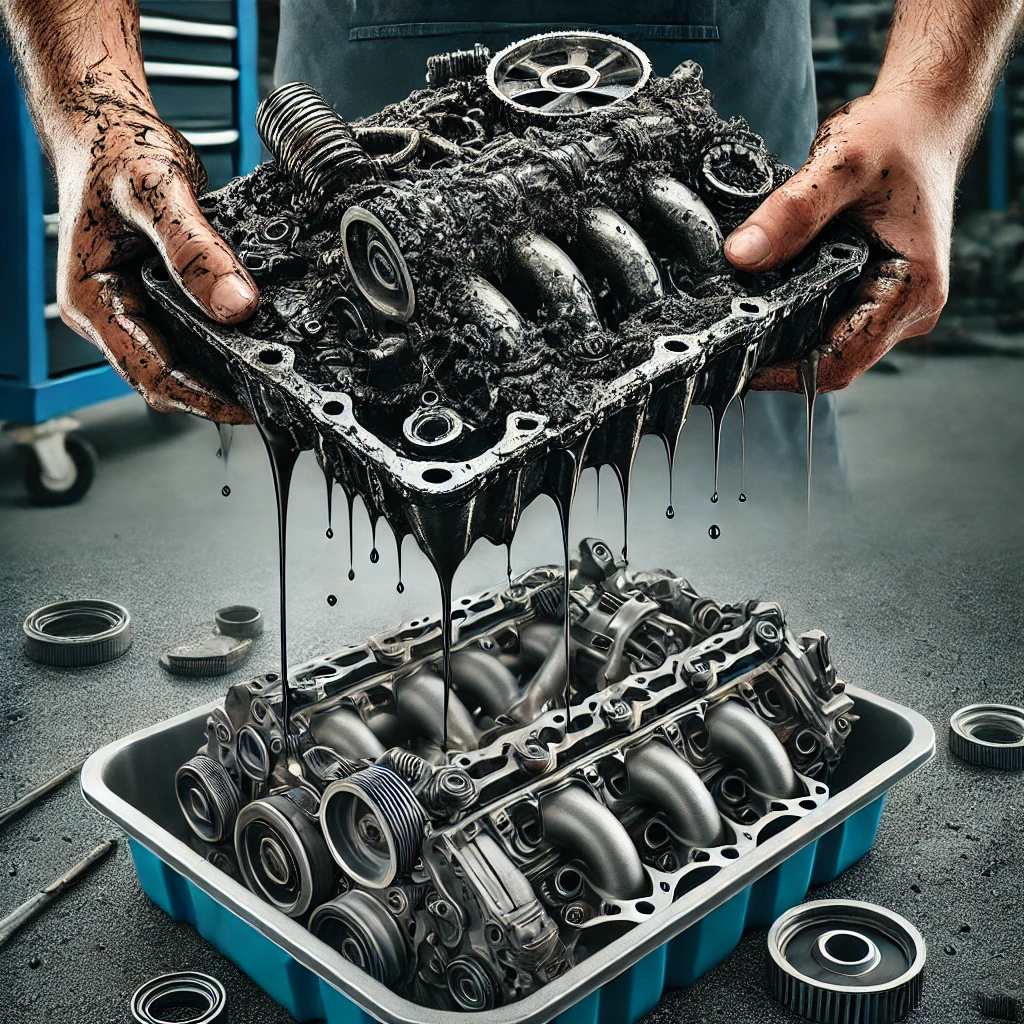




# ⚙️ Automatic Gearbox Repair: Symptoms, Cost, and Solutions
Automatic transmissions (or automatic gearboxes) are among the most complex and expensive components in your vehicle. When they fail, they can cause serious safety issues and result in costly repairs if not addressed early.
In this in-depth guide, you’ll learn:
– ✅ What an automatic gearbox does and how it works
– 🚨 Common symptoms of automatic gearbox problems
– 💸 Typical repair and replacement costs
– 🔧 Repair options and solutions
– 🛡️ How to extend the life of your automatic transmission
—
## 🚗 What Is an Automatic Gearbox?
An automatic gearbox is a sophisticated system that:
– Automatically selects the correct gear ratio
– Uses hydraulic pressure, electronic controls, and sensors
– Transfers power smoothly from the engine to the wheels
Unlike manual gearboxes, you don’t have to use a clutch or change gears yourself. Modern automatics can be:
– **Traditional Torque Converter Automatics**
– **Dual-Clutch Transmissions (DCT/DSG)**
– **Continuously Variable Transmissions (CVT)**
Each type has its own strengths and weaknesses, but they all share one thing in common: **when problems start, you must act quickly** to avoid major damage.
—
## 🚨 Key Symptoms of Automatic Gearbox Problems
Recognizing early warning signs can save you thousands in repair bills. Below are the most common symptoms to watch out for.
### 1. 🕳️ Slipping Gears
**What it feels like:**
– Engine revs go up, but the car doesn’t accelerate as much
– Gear seems to “slip” out during driving
– Feels like a delay between pressing the accelerator and response
**Possible causes:**
– Low or old transmission fluid
– Worn clutch packs or bands
– Internal wear and tear
**Why it matters:**
Gear slipping indicates **loss of hydraulic pressure or internal damage**. Ignoring it can lead to complete gearbox failure.
—
### 2. ⏱️ Delayed or Harsh Gear Engagement
**Symptoms:**
– Delay when shifting from **P to D** or **P to R**
– “Bang” or jolt when the gear finally engages
– Car feels like it’s hesitating at low speeds
**Possible causes:**
– Low or contaminated transmission fluid
– Faulty solenoids or valve body issues
– Worn internal components
**Why it matters:**
These issues often start small but can develop into full-blown internal damage if not repaired.
—
### 3. 🔁 Rough or Erratic Gear Changes
**What you may notice:**
– Jerky upshifts or downshifts
– Random gear changes at the wrong time
– Transmission appears confused, hunting for the right gear
**Common causes:**
– Malfunctioning sensors (speed sensor, throttle position sensor)
– Transmission control module (TCM) faults
– Dirty or blocked valve body
– Software issues in modern vehicles
**Risk:**
Erratic shifting not only reduces comfort but can **stress internal components**, shortening gearbox life.
—
### 4. 🛑 Transmission Warning Light
Modern cars monitor the gearbox electronically. Signs include:
– **“Check Engine” light**
– **Transmission warning symbol** on the dashboard
– Limp mode: the car may stick in 2nd or 3rd gear to protect itself
**Potential issues:**
– Fault codes in TCM or ECU
– Sensor or solenoid faults
– Overheating transmission
**What to do:**
Have the vehicle scanned with a **diagnostic tool** to read error codes and identify the root cause. Driving long-term in limp mode can cause additional damage.
—
### 5. 🧴 Transmission Fluid Leaks
Transmission fluid is critical for:
– Lubrication
– Cooling
– Hydraulic pressure
**Signs of a leak:**
– Red, brown, or dark fluid under the car
– Burning smell after driving
– Transmission slipping or overheating
**Common leak points:**
– Oil pan gasket
– Driveshaft seals
– Cooler lines
– Input/output shaft seals
**Important:**
**Low fluid level** is one of the fastest ways to destroy an automatic gearbox. Leaks must be fixed immediately.
—
### 6. 🔊 Unusual Noises
Listen for:
– Whining or humming that changes with speed
– Clunking or banging during shifts
– Grinding when selecting gears
**Possible causes:**
– Worn bearings
– Damaged planetary gears
– Failing torque converter
**Noise = mechanical damage.** The longer you drive, the worse (and more expensive) it gets.
—
### 7. 🌡️ Overheating and Burning Smell
Overheating is a transmission killer.
**Symptoms:**
– Burning smell (often like burnt oil)
– Dark, discoloured transmission fluid
– Warning light indicating temperature problems
**Causes:**
– Low fluid level
– Worn or old fluid
– Blocked transmission cooler
– Towing or heavy load without proper cooling
**Result:**
Overheated fluid loses its protective qualities, accelerating internal wear and leading to failure.
—
## 🔍 Diagnosing Automatic Gearbox Problems
Proper diagnosis is essential before any repair. A professional gearbox specialist will typically:
### ✅ 1. Check Transmission Fluid
– **Level:** Too low or too high can cause issues
– **Color:**
– Bright red = good
– Brown or black = burnt/old
– **Smell:** Burnt smell indicates overheating
– **Presence of particles:** Metal shavings or clutch material in the fluid indicates internal damage
—
### ✅ 2. Read Error Codes (OBD-II / TCM Scan)
Using a diagnostic scanner, a technician checks:
– Fault codes from the **Transmission Control Module (TCM)**
– Engine and ABS/ESP modules (as they interact with the transmission)
– Live data such as:
– Gear selection
– Speed sensor readings
– Solenoid operation
This guides the next steps: whether the issue is **electrical/electronic** or **mechanical**.
—
### ✅ 3. Road Test & Functional Checks
A professional test drive may include:
– Cold start behaviour
– Shifts under light, medium, and heavy acceleration
– Performance in **D**, **R**, manual mode, and sport mode (if fitted)
– Behaviour when hot vs. cold
—
### ✅ 4. Mechanical Inspection
If necessary, the technician may:
– Inspect for leaks
– Check mounts, linkages, and cables
– Remove the transmission sump and inspect for:
– Metal particles
– Clutch debris
– Magnet contamination
In serious cases, the gearbox may need to be removed and **disassembled** for a full internal inspection.
—
## 💸 Automatic Gearbox Repair Costs
Costs vary widely depending on:
– Vehicle make and model
– Type of transmission (traditional, CVT, DCT)
– Extent of the damage
– Whether parts are new, used, or reconditioned
Below is a general guide (actual prices may vary by region/workshop).
### 1. 🧴 Minor Service & Fluid Change
**Typical work:**
– Drain and refill transmission fluid
– Replace transmission filter (where applicable)
– Inspect seals and pan
**Estimated cost range:**
– **£120 – £350 / $150 – $450 / €150 – €400**
This is **preventive maintenance**, not a repair for major faults, but it can resolve light shifting or engagement problems if caused by old or low fluid.
—
### 2. 🔧 Medium Repairs (External Components)
Common repairs:
– Solenoid or sensor replacement
– Valve body repair or replacement
– External seals and gaskets
– Transmission cooler replacement
**Estimated cost range:**
– **£350 – £1,200 / $450 – $1,500 / €400 – €1,300**
These jobs often fix:
– Harsh shifting
– Delayed engagement
– Erratic gear changes
– Warning lights with specific fault codes
—
### 3. 🛠️ Full Rebuild / Overhaul
A full automatic gearbox rebuild typically includes:
– Complete disassembly
– Cleaning of all parts
– Replacement of:
– Clutch packs
– Bands
– Seals and gaskets
– Worn bearings
– Damaged gears
– Reassembly and testing
**Estimated cost range:**
– **£1,000 – £3,000+ / $1,300 – $4,000+ / €1,200 – €3,500+**
Costs are higher for:
– Luxury brands (BMW, Mercedes, Audi, Land Rover, etc.)
– High-performance or dual-clutch gearboxes
– CVTs with expensive internal components
—
### 4. 🔄 Replacement Gearbox (New, Used, or Reconditioned)
If the original gearbox is too damaged, replacement might be the only option.
**Options:**
1. **Brand-new gearbox**
– Most expensive
– Often from main dealer
– Best warranty coverage
2. **Reconditioned / Remanufactured gearbox**
– Fully rebuilt with new parts
– Common, cost-effective choice
– Usually comes with a **warranty**
3. **Used / Second-hand gearbox**
– Cheapest upfront
– Unknown history
– Short or no warranty
**Estimated cost range (including labour):**
– **£1,400 – £5,000+ / $1,800 – $6,000+ / €1,600 – €5,500+**
—
## 🔧 Common Automatic Gearbox Repair Solutions
Once diagnosed, here are the most frequent solutions your mechanic or gearbox specialist might recommend.
### ✅ 1. Transmission Fluid Change or Flush
Used when:
– Fluid is old, dirty, or slightly burnt
– No heavy internal damage is present
**Benefits:**
– Smoother gear changes
– Reduced overheating
– Potentially resolves minor slipping or hesitation
**Note:**
Flushing a heavily contaminated or failing gearbox can sometimes **worsen** symptoms. A trusted specialist should decide whether a **simple drain and refill** or **full flush** is appropriate.
—
### ✅ 2. Solenoid and Valve Body Repairs
The **valve body** is the hydraulic brain of the transmission. Faulty solenoids or blocked channels can cause:
– Harsh shifts
– Delayed engagement
– Wrong gear selection
**Solutions:**
– Cleaning or replacing solenoids
– Reconditioning or replacing the valve body
– Updating or reprogramming the TCM (where applicable)
This can often restore normal operation without needing a full rebuild.
—
### ✅ 3. Torque Converter Repair or Replacement
The torque converter connects the engine to the gearbox and multiplies torque.
**Symptoms of failure:**
– Shuddering at certain speeds
– Slipping at higher gears
– Overheating and dirty fluid
**Fix:**
Removal of the gearbox, inspection, and **repair or replacement** of the torque converter. This is a labour-intensive job but cheaper than a complete gearbox replacement.
—
### ✅ 4. Full Gearbox Rebuild
Recommended when:
– Internal parts are heavily worn or damaged
– There is metal debris in the fluid/pan
– The gearbox has been slipping for a long time
**Process includes:**
1. Remove gearbox from vehicle
2. Strip and inspect all internal components
3. Replace worn/damaged parts with new ones
4. Reassemble with new seals, gaskets, filters, and fluid
5. Bench-test and road-test after installation
A quality rebuild can often bring a worn gearbox **back to near-new condition**.
—
### ✅ 5. Complete Gearbox Replacement
This is usually advised when:
– Damage is extreme (e.g. fractured casing, catastrophic failure)
– The cost of rebuilding is similar to or higher than replacement
– A reliable reconditioned unit is readily available
**Tip:**
Always verify:
– Mileage (if used)
– Warranty terms
– Whether the price includes removal, installation, programming, and fluid
—
## 🛡️ How to Prevent Automatic Gearbox Problems
Proper maintenance and driving habits can **dramatically extend** the life of your automatic gearbox.
### 🧴 1. Regular Fluid and Filter Changes
– Follow the manufacturer’s recommended intervals (often 40,000–60,000 miles / 60,000–100,000 km, sometimes sooner in severe use)
– Use the **correct fluid type** specified for your gearbox
– Replace filters and seals where applicable
Old, degraded fluid is one of the **main causes of early transmission failure**.
—
### 🚦 2. Avoid Aggressive Driving
Hard launches, rapid gear changes, and frequent kickdowns place extra stress on:
– Clutches
– Bands
– Torque converter
Smooth, progressive acceleration and deceleration will keep the gearbox healthier for longer.
—
### 🚚 3. Be Careful When Towing or Carrying Heavy Loads
When towing:
– Check your vehicle’s towing capacity
– Use additional transmission cooling if recommended
– Avoid towing in overdrive (for some vehicles)
– Take breaks on long climbs to prevent overheating
—
### ❄️ 4. Warm Up in Cold Weather
In very cold conditions:
– Avoid full-throttle acceleration immediately after starting
– Drive gently for the first few minutes
– Allow the fluid to reach operating temperature before heavy use
Cold, thick fluid doesn’t lubricate or flow as effectively.
—
### 🧪 5. Address Small Issues Early
If you notice:
– Slight delay in engagement
– Occasional rough shift
– Small leak on the driveway
Don’t wait for it to get worse. Early intervention is often **much cheaper** than waiting for complete failure.
—
## 🧭 When Should You Repair vs Replace the Gearbox?
Here’s a simple decision guide:
– **Minor symptoms, clean fluid, no major codes →**
Start with service, fluid/filter change, and maybe solenoid/valve body inspection.
– **Moderate symptoms, wear signs in fluid, multiple error codes →**
Consider valve body repair or partial rebuild depending on inspection.
– **Severe slipping, burnt fluid, metal in pan, loud noises →**
Full rebuild or replacement is usually the only reliable option.
– **Older high-mileage vehicle with low value →**
Weigh the gearbox repair cost vs. vehicle value. Sometimes selling or replacing the vehicle may make more financial sense.
—
## 📌 Summary
– Automatic gearboxes are complex and expensive, but **early diagnosis and maintenance** can keep costs under control.
– Look out for symptoms like **slipping gears, delayed engagement, rough shifting, leaks, warning lights, unusual noises, and overheating.**
– Repair costs can range from **a few hundred** for minor work to **several thousand** for a full rebuild or replacement.
– Solutions include **fluid service, solenoid/valve body repairs, torque converter replacement, rebuilds**, or **complete gearbox replacement**.
– With **regular maintenance** and careful driving, your automatic gearbox can deliver **smooth, reliable performance for many years**.
—
If you’re experiencing any of the symptoms described above, it’s essential to have your vehicle inspected by a qualified automatic gearbox specialist as soon as possible. Early action can prevent a minor issue from turning into a major, costly repair.