



# Car Loses Power While Driving: Engine and Transmission Causes ⚠️
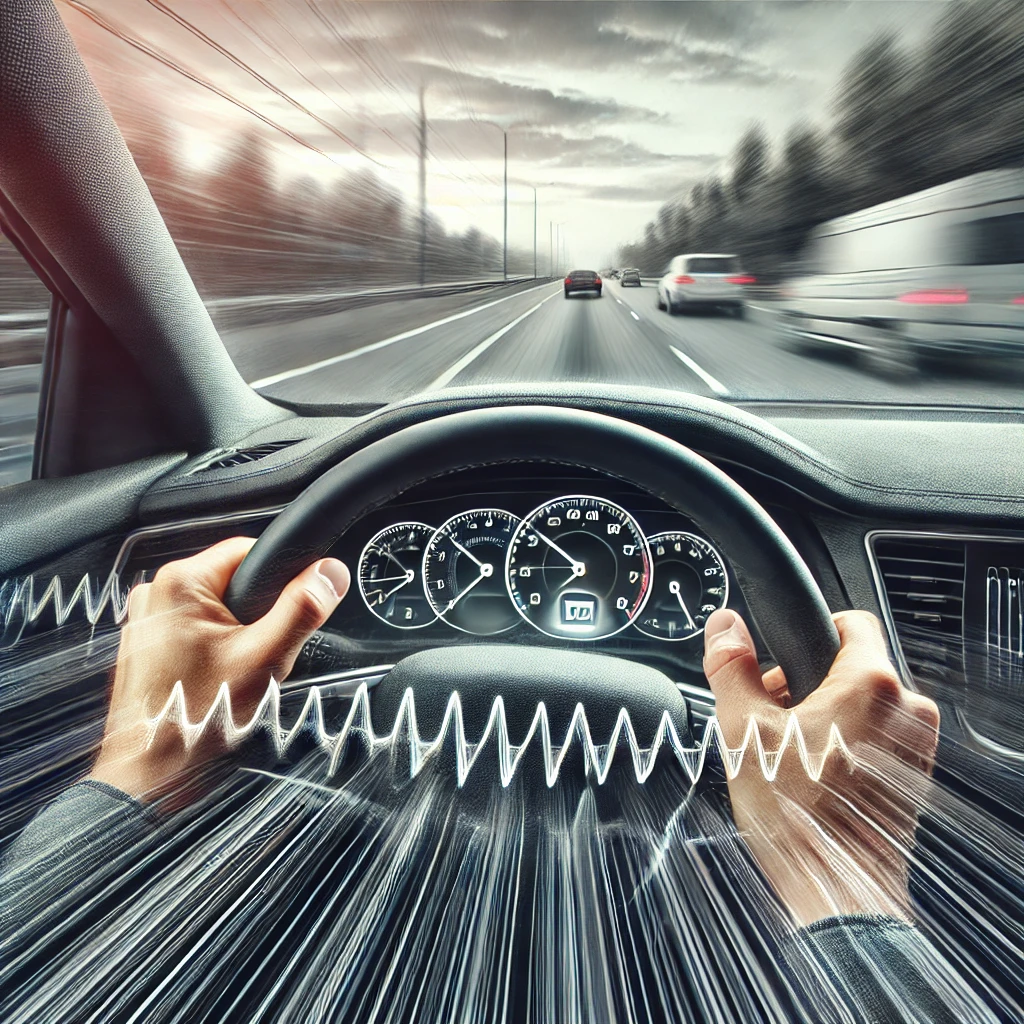
Losing power while driving is one of the most alarming problems a driver can face. One moment your car is moving smoothly, and the next it struggles to accelerate, hesitates, or even stalls. This sudden loss of power isn’t just inconvenient—it can be dangerous.
In this detailed guide, we’ll break down the **main engine and transmission causes** of power loss, the **warning signs to watch for**, and what you should do **immediately if it happens on the road**.
—
## 🚗 What Does “Car Losing Power While Driving” Really Mean?
When drivers say their car “loses power,” they usually describe one or more of these symptoms:
– Slow or **no acceleration** when pressing the gas pedal
– Engine **hesitation**, jerking, or stumbling
– Car can’t go above a **certain speed**
– Engine **cuts out or stalls** at stoplights or under load
– RPMs rise but the car doesn’t move (transmission slipping)
This loss of power is usually linked to one of two primary systems:
– 🔧 **Engine system** (air, fuel, ignition, sensors)
– ⚙️ **Transmission system** (automatic or manual drivetrain issues)
Understanding which system is failing is the first step to solving the problem.
—
## 🧠 Quick Overview: Common Reasons a Car Loses Power
Here’s a simplified overview before we dive deeper:
### 🔧 Engine-Related Causes
– Clogged fuel filter or weak fuel pump
– Failing ignition coils, spark plugs, or wires
– Dirty or failing mass air flow (MAF) sensor
– Faulty throttle body or throttle position sensor (TPS)
– Clogged air filter or restricted air intake
– Bad oxygen (O2) sensors or catalytic converter
– Engine misfires or compression issues
– Bad fuel, water in fuel, or incorrect fuel type
### ⚙️ Transmission-Related Causes
– Low or dirty transmission fluid
– Worn transmission clutches or bands
– Slipping automatic transmission
– Failing torque converter
– Transmission control module (TCM) electrical issues
– Clutch failure or slipping (in manual cars)
Now let’s go through each category in detail.
—
## 🔧 Engine-Related Causes of Power Loss
When the engine isn’t able to produce enough power, your car will feel weak, sluggish, or unstable. The engine needs three core elements to run properly:
> **Air + Fuel + Spark = Power**
If any of these elements are compromised, performance drops.
—
### 1. Fuel Delivery Problems ⛽
If your engine isn’t getting enough fuel at the right pressure, power will suffer.
#### ✅ Common Fuel-Related Causes
**1. Clogged Fuel Filter**
– **Symptoms:**
– Loss of power at high speeds
– Hesitation during acceleration
– Car may stall under heavy load or on hills
– **Why it happens:** Over time, dirt and debris in the fuel clog the filter, restricting flow to the engine.
**2. Weak or Failing Fuel Pump**
– **Symptoms:**
– Whining noise from the fuel tank
– Hard starting, especially when hot
– Sudden loss of power at highway speeds
– **Risk:** A failing fuel pump can cause the engine to stall completely.
**3. Dirty or Failing Fuel Injectors**
– **Symptoms:**
– Rough idle
– Misfires
– Reduced fuel economy
– Uneven power delivery
– **Why it happens:** Deposits build up on injector tips and cause poor spray patterns.
#### 🔍 How to Tell It’s Fuel-Related
– Car struggles more under **load** (climbing hills, accelerating quickly).
– Power loss gets worse as speed increases.
– May see a **check engine light** with fuel system codes (e.g., P0087, P0171).
—
### 2. Ignition System Problems 🔥
The ignition system ignites the air-fuel mixture. When parts in this system fail, the engine misfires and power drops.
#### ✅ Key Ignition Components
**1. Spark Plugs**
– **Symptoms of worn spark plugs:**
– Rough idle
– Slow acceleration
– Engine misfires
– Poor fuel efficiency
– **Cause:** Electrodes wear out, causing weak or inconsistent spark.
**2. Ignition Coils / Coil Packs**
– **Symptoms:**
– Sudden loss of power
– Shaking engine
– Check engine light (codes like P0300–P030X)
– **Effect:** One or more cylinders stop firing properly.
**3. Damaged Spark Plug Wires (where applicable)**
– **Symptoms:**
– Hesitation
– Misfire under load or when it’s damp outside
🚨 **Result of Misfires:** When one or more cylinders misfire, the engine runs on reduced power and can damage the catalytic converter if ignored.
—
### 3. Air Intake & Sensor Issues 🌬️
Your engine needs the correct amount of air to mix with fuel. Modern engines rely on sensors to measure airflow and adjust fuel delivery.
#### ✅ Main Air & Sensor-Related Causes
**1. Dirty or Clogged Air Filter**
– **Symptoms:**
– Sluggish acceleration
– Reduced fuel economy
– **Cause:** Restricted airflow chokes the engine.
**2. Mass Air Flow (MAF) Sensor Problems**
– **Symptoms:**
– Rough idle
– Stalling
– Poor acceleration
– Check engine light (codes like P0101, P0102)
– **Why it matters:** If the MAF sensor sends incorrect readings, the engine computer may give too much or too little fuel.
**3. Throttle Body & Throttle Position Sensor (TPS)**
– **Symptoms:**
– Hesitation or surging
– Unstable idle
– Jerking when pressing or releasing the gas pedal
– **Cause:** Carbon buildup or sensor failure leads to poor throttle response.
—
### 4. Exhaust & Emissions Problems 🌡️
A blocked or malfunctioning exhaust system can heavily restrict engine power.
#### ✅ Common Exhaust-Related Causes
**1. Clogged Catalytic Converter**
– **Symptoms:**
– Gradual loss of power
– Engine revs, but car feels “held back”
– Strong sulfur/rotten egg smell sometimes
– Glowing red converter (in severe cases)
– **Why it happens:** Excess heat and unburned fuel damage the converter, causing internal melting and blockage.
**2. Failing Oxygen (O2) Sensors**
– **Symptoms:**
– Poor fuel economy
– Hesitation or surging
– Check engine light (codes P0130–P0167)
– **Effect:** Incorrect fuel trims cause the engine to run too rich or too lean, reducing power.
—
### 5. Engine Mechanical Problems 🛠️
More serious engine problems can also cause major power loss.
**1. Low Compression in One or More Cylinders**
– **Symptoms:**
– Significant power loss
– Rough running
– Hard starting
– **Causes:** Worn piston rings, leaking valves, or blown head gasket.
**2. Timing Issues** (Timing belt/chain problems)
– **Symptoms:**
– Poor power
– Misfires
– Backfiring or unusual noises
– **Risk:** If timing jumps badly, it can cause major internal engine damage.
—
## ⚙️ Transmission-Related Causes of Power Loss
Sometimes the engine is running fine, but the **power isn’t properly transferred** to the wheels. This is when your transmission becomes the prime suspect.
—
### 1. Transmission Slipping 🔁
If your RPMs rise but your car fails to accelerate, your transmission may be slipping.
#### ✅ Signs of a Slipping Transmission
– Engine revs high but the **vehicle barely speeds up**
– Hesitation or delayed engagement when shifting from Park to Drive
– Jerking or shuddering during gear changes
– Burning smell from transmission fluid
– Check engine or transmission warning light
**Causes of Slipping:**
– Worn clutches or bands (internal wear)
– Low or old, burnt transmission fluid
– Clogged transmission filter
– Failing torque converter
—
### 2. Low or Dirty Transmission Fluid 🧴
Fluid is essential for lubrication, cooling, and hydraulic pressure.
**Symptoms of Fluid Issues:**
– Hard or delayed shifts
– Slipping in certain gears
– Shudder at specific speeds
– Overheating transmission
**What to Check:**
– Fluid level (where applicable)
– Color and smell:
– Healthy: bright red, slightly sweet smell
– Unhealthy: dark, brown or black, burnt odor
—
### 3. Transmission Control Module (TCM) and Sensors ⚡
Modern automatic transmissions rely on computers and sensors.
**Common Electrical/Control Issues:**
– Speed sensor failure
– TCM malfunction
– Wiring or connector corrosion
**Symptoms:**
– Stuck in one gear (often 2nd or 3rd – “limp mode”)
– Harsh or erratic shifting
– Sudden loss of power but engine sounds normal
When in limp mode, the system limits power to protect the transmission, making the car feel very weak.
—
### 4. Manual Transmission & Clutch Problems (Stick Shift) 🕹️
For manual vehicles, the clutch is a primary link between engine and transmission.
**Signs of a Failing Clutch:**
– High engine RPMs with poor acceleration
– Difficulty shifting gears
– Burning smell during acceleration
– Clutch pedal feels spongy or engages very high
A worn clutch disc slips under load, causing major power loss to the wheels even if the engine runs fine.
—
## ⚠️ What to Do Immediately If Your Car Loses Power While Driving
Power loss on the road can be dangerous, especially at high speeds. Here’s a simple safety checklist:
### 1. Stay Calm and Assess
– Gently **lift off the accelerator** and keep a firm grip on the wheel.
– Turn on your **hazard lights** to alert other drivers.
### 2. Move to Safety
– Gradually steer to the **right shoulder** or a safe parking area.
– Avoid sudden braking unless absolutely necessary.
### 3. Check Key Indicators
– Look at the **dashboard**:
– Check engine light?
– Oil pressure or temperature warning?
– Transmission warning light?
– Listen for unusual noises: knocking, grinding, whining.
### 4. Decide: Can You Continue or Call for Help?
– If power loss is **severe, intermittent, or worsening**, do not continue driving long distances.
– Call for **roadside assistance** or a tow truck if the car stalls, won’t accelerate safely, or if warning lights are flashing.
—
## 🧪 How to Narrow Down the Cause (Basic Self-Checks)
Here are some quick, non-invasive checks you can do yourself:
### ✅ 1. Observe When the Problem Happens
– **Only when accelerating hard:** often fuel or ignition
– **Only at highway speeds:** fuel delivery, catalytic converter, or transmission
– **When changing gears:** transmission or clutch
– **At idle and low speeds:** ignition, sensors, or air intake
### ✅ 2. Check for Visible/Obvious Issues
– Smell for **burning** (transmission or electrical)
– Listen for **whining from fuel tank** (fuel pump) or **whine in gears** (transmission)
– Look underneath for **fluid leaks** (red or brown may indicate transmission fluid)
### ✅ 3. Scan for Trouble Codes
If you have access to an **OBD-II scanner**, plug it in and check for stored codes. Common power-loss related codes might include:
– P0300–P030X: Misfire detected
– P0171/P0174: System too lean
– P0420: Catalytic converter efficiency
– P0700+: Transmission control system issues
—
## 🛡️ Can You Keep Driving With Power Loss?
Continuing to drive with a car that’s losing power can cause:
– Overheating of the engine or transmission
– Damage to the catalytic converter
– Complete breakdown in unsafe locations
### General Rule:
If your car can’t **safely reach or maintain the speed of traffic**, or if it’s **jerking, stalling, or slipping**, you should:
– Drive only as far as necessary to reach a **safe location** or repair shop.
– Avoid highways and steep hills.
– Avoid heavy loads and aggressive acceleration.
—
## 🧰 Preventing Future Power Loss: Maintenance Checklist
Proactive maintenance is the best way to avoid sudden power loss:
### 🔧 Engine Maintenance
– Replace **spark plugs** at recommended intervals
– Keep **air filter** clean and replaced regularly
– Use **quality fuel** and consider periodic fuel system cleaners
– Replace **fuel filter** (if serviceable) as recommended
– Address **check engine lights** promptly
### ⚙️ Transmission Maintenance
– Change **transmission fluid and filter** according to manufacturer schedule
– Don’t tow loads heavier than your vehicle is rated for
– Avoid driving with low fluid or obvious transmission slipping
– Have the transmission inspected at the **first sign of shifting issues**
—
## 🧭 When to See a Professional Mechanic
You should schedule a diagnostic inspection if you notice:
– Persistent or worsening **loss of power**
– **Check engine** or transmission warning lights
– Car goes into **limp mode** or won’t shift properly
– Strong smells of burning or sulfur
– Loud knocks, grinding, or whining noises
A professional will typically:
1. Scan your **ECU/TCM for stored codes**
2. Check **fuel pressure**, ignition, and compression (for engine causes)
3. Inspect **transmission fluid** and perform road tests (for transmission causes)
—
## ✅ Summary: Engine vs. Transmission Power Loss
To quickly separate causes:
| Symptom | Likely System |
|————————————————–|———————|
| Misfires, rough idle, stalling | Engine / Ignition |
| Hesitation when pressing gas, poor acceleration | Engine / Fuel / Air |
| RPMs climb, speed barely increases | Transmission / Clutch|
| Stuck in one gear, limp mode | Transmission / TCM |
| Rotten egg smell, gradual strangling of power | Catalytic Converter |
| Sudden power drop with check engine light | Engine Sensors / Fuel|
Understanding these patterns will help you communicate clearly with your mechanic and avoid misdiagnosis.
—
If your car has been losing power while driving, addressing it early can save you from a breakdown and more expensive repairs. Use the symptoms, causes, and steps in this guide to make informed decisions—and always put safety first when you feel your vehicle isn’t responding as it should.