


Table of Contents
The Check Engine Light (CEL) is one of the most dreaded warnings on a car’s dashboard. When it lights up, many drivers feel a mix of confusion and panic. But what does it really mean? Should you stop driving immediately, or is it safe to continue? In this article, we’ll break down everything you need to know about the Check Engine Light, including possible causes, what to do when it appears, and how to prevent future issues.
- Table of Contents
- What is the Check Engine Light?
- Common Causes of a Check Engine Light
- 1. Loose or Faulty Gas Cap
- 2. Faulty Oxygen Sensor (O2 Sensor)
- 3. Bad Catalytic Converter
- 4. Failing Mass Air Flow (MAF) Sensor
- 5. Spark Plug or Ignition Coil Issues
- 6. Bad Fuel Injectors
- 7. Malfunctioning EGR Valve
- 8. Low Oil Pressure or Oil Leaks
- 9. Battery or Alternator Issues
- 10. Transmission Problems
- What to Do When the Check Engine Light Comes On
- Can You Still Drive With the Check Engine Light On?
- How to Prevent Check Engine Light Problems
- Check Engine Light Statistics by Brand (Based on Reliability Data)
- TOP 10 CHECK ENGINE LIGHT CAUSES & FIXES
- 1. Oxygen Sensor Failure (Codes P0130-P0167)
- 2. Loose or Damaged Gas Cap (Code P0455/P0457)
- 3. Catalytic Converter Issues (Code P0420/P0430)
- 4. Mass Air Flow Sensor (Code P0101)
- 5. Spark Plugs/Ignition Coils (Codes P0300-P0308)
- 6. EVAP System Leak (Codes P0440-P0457)
- 7. Thermostat Issues (Code P0128)
- 8. EGR Valve/System (Codes P0401-P0406)
- 9. Fuel System Issues (Codes P0171/P0174)
- 10. Battery/Charging System (Various Codes)
- BRAND-SPECIFIC CEL QUIRKS
- European Luxury (BMW/Mercedes/Audi/Porsche/Volvo):
- Japanese (Toyota/Honda/Subaru/Nissan):
- American (Ford/GM/Chrysler):
- Korean (Hyundai/Kia):
- IMMEDIATE ACTION GUIDE
- DIAGNOSTIC TOOL RECOMMENDATIONS BY BRAND
- Final Thoughts
What is the Check Engine Light?
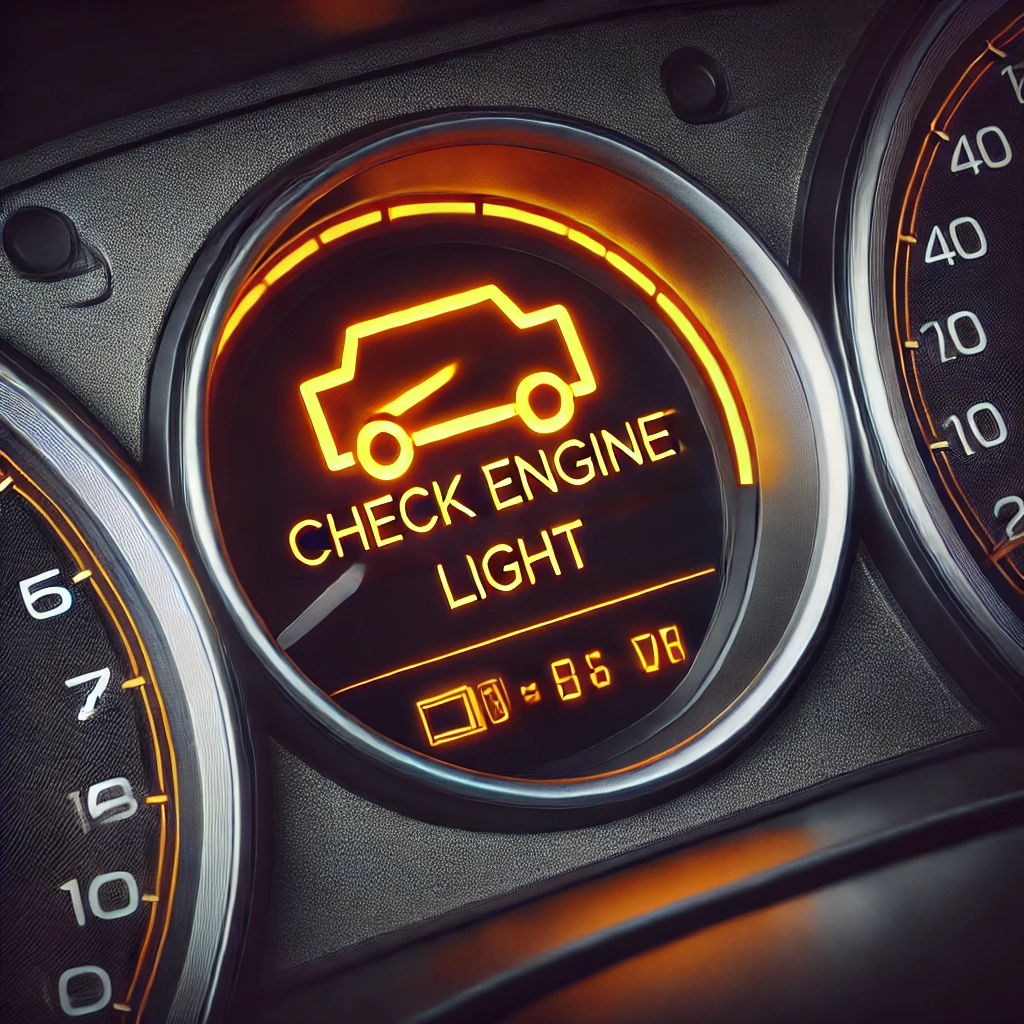
The Check Engine Light, also known as the Malfunction Indicator Lamp (MIL), is a part of your vehicle’s On-Board Diagnostics (OBD-II) system. It detects issues related to engine performance, emissions, and other critical systems. When the light turns on, it signals that something in your car needs attention.
Types of Check Engine Light Alerts
- Steady Light – Indicates a minor issue that should be checked soon but isn’t an emergency.
- Flashing Light – Indicates a serious problem, such as an engine misfire, which could damage the catalytic converter. Immediate attention is required.
Common Causes of a Check Engine Light
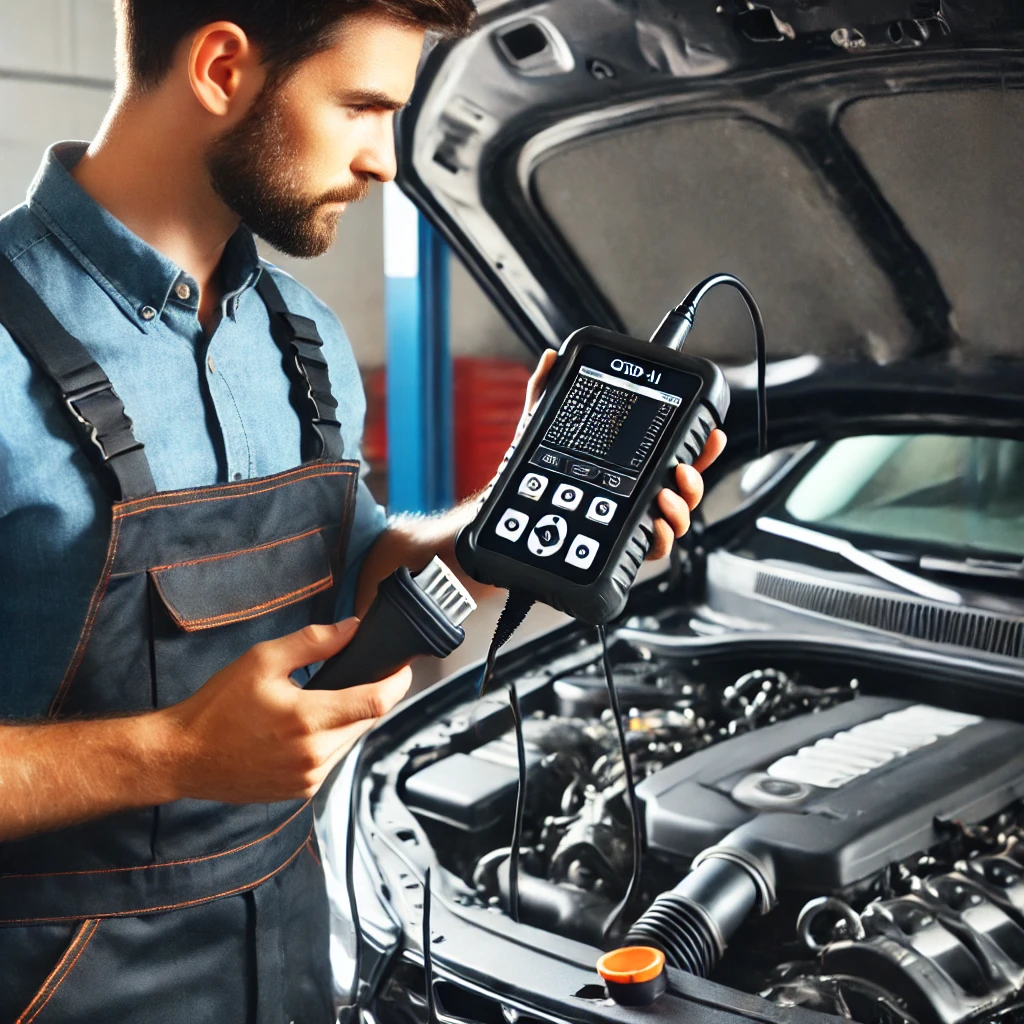
A Check Engine Light can be triggered by various issues, ranging from minor to severe. Below are some of the most common reasons your CEL might turn on:
1. Loose or Faulty Gas Cap
- A loose, damaged, or missing gas cap can cause fuel vapors to escape, triggering the CEL.
- Fix: Tighten the cap or replace it if damaged.
2. Faulty Oxygen Sensor (O2 Sensor)
- The O2 sensor monitors oxygen levels in the exhaust. A faulty sensor can cause poor fuel efficiency and increased emissions.
- Fix: Replace the sensor to avoid further engine issues.
3. Bad Catalytic Converter
- The catalytic converter helps reduce harmful emissions. If it’s failing, your car may experience reduced power and bad fuel economy.
- Fix: Replacement is necessary, and it can be costly.
4. Failing Mass Air Flow (MAF) Sensor
- The MAF sensor controls the air-fuel mixture in the engine. A faulty MAF sensor can lead to rough idling and stalling.
- Fix: Clean or replace the sensor.
5. Spark Plug or Ignition Coil Issues
- Worn-out spark plugs or ignition coils can cause misfires, rough acceleration, and power loss.
- Fix: Replace spark plugs and coils as part of regular maintenance.
6. Bad Fuel Injectors
- Clogged or leaking fuel injectors can result in poor fuel efficiency and engine hesitation.
- Fix: Use fuel injector cleaner or replace faulty injectors.
7. Malfunctioning EGR Valve
- The Exhaust Gas Recirculation (EGR) valve helps reduce emissions. A faulty EGR valve can cause engine knocking and hesitation.
- Fix: Clean or replace the valve.
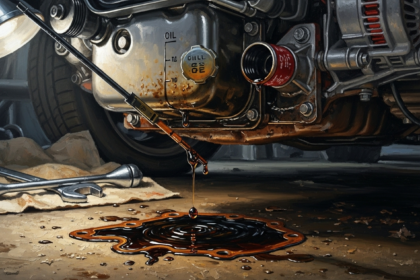
8. Low Oil Pressure or Oil Leaks
- Low oil levels can trigger the check engine light and lead to serious engine damage.
- Fix: Check for leaks and maintain regular oil changes.
9. Battery or Alternator Issues
- A weak or failing car battery or alternator can trigger electrical issues, including the Check Engine Light.
- Fix: Test the battery and alternator; replace if necessary.
10. Transmission Problems
- Some transmission issues, like slipping gears or overheating, can activate the CEL.
- Fix: Have the transmission checked by a professional.
What to Do When the Check Engine Light Comes On
- Check for Immediate Issues – Listen for strange noises, check temperature gauges, and look for smoke or leaks.
- Tighten the Gas Cap – This is one of the easiest fixes. If the CEL turns off after driving for a while, the issue was likely a loose cap.
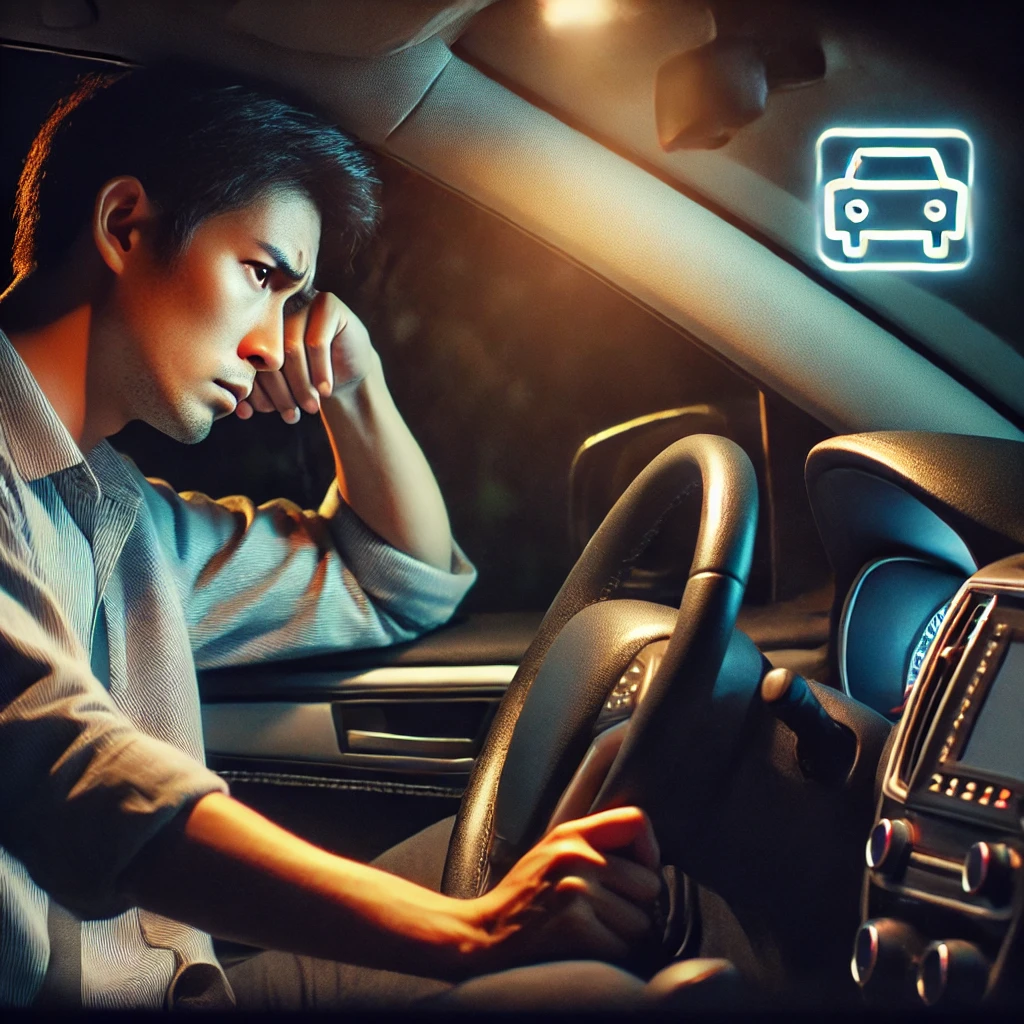
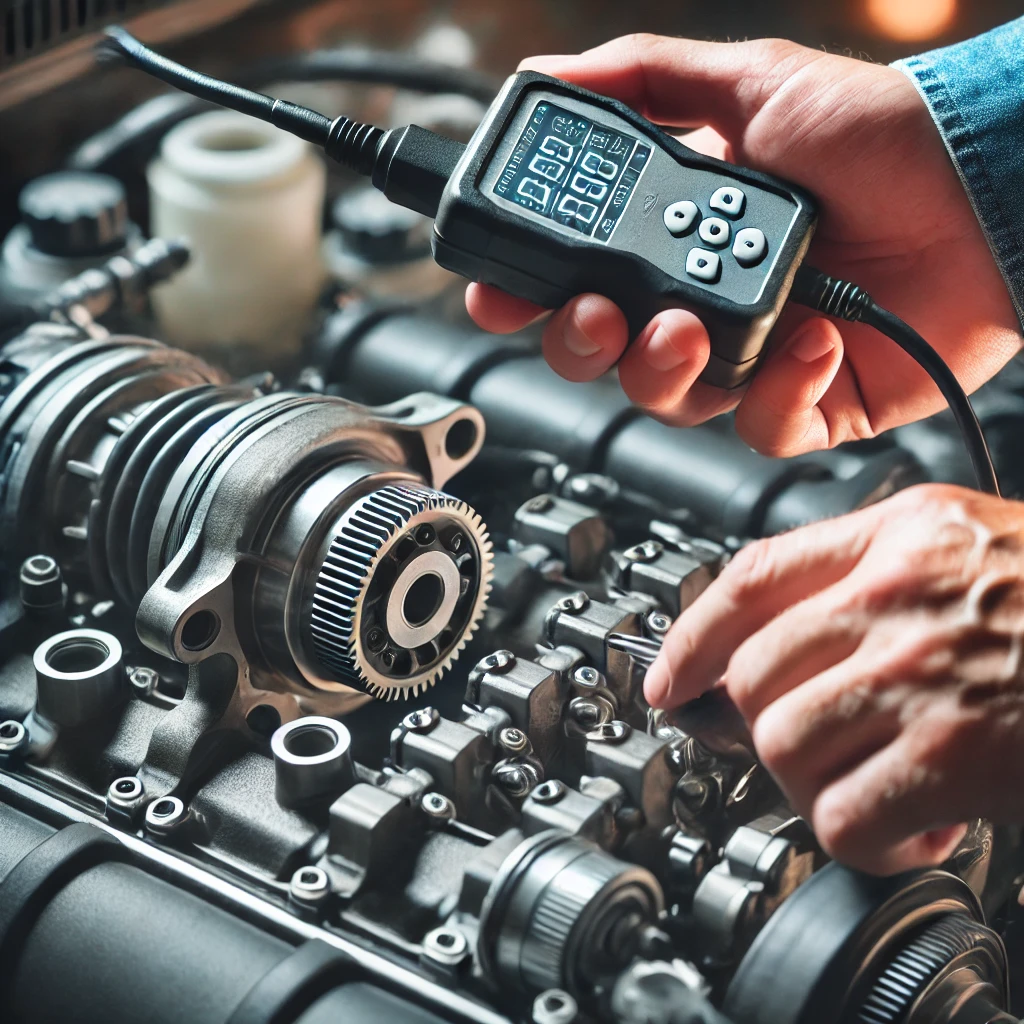
- Use an OBD-II Scanner – An OBD-II scanner can help identify error codes related to the CEL.
- Check Fluids – Low oil, coolant, or transmission fluid can trigger the light.
- Observe Performance Changes – If your car is losing power, shaking, or making strange noises, stop driving and get it inspected immediately.
- Schedule a Mechanic Visit – If the light remains on, take your car to a professional for diagnosis.
Can You Still Drive With the Check Engine Light On?

- If the CEL is steady – You can usually drive short distances, but get the issue checked soon.
- If the CEL is flashing – Stop driving immediately, as this indicates a serious problem.
How to Prevent Check Engine Light Problems
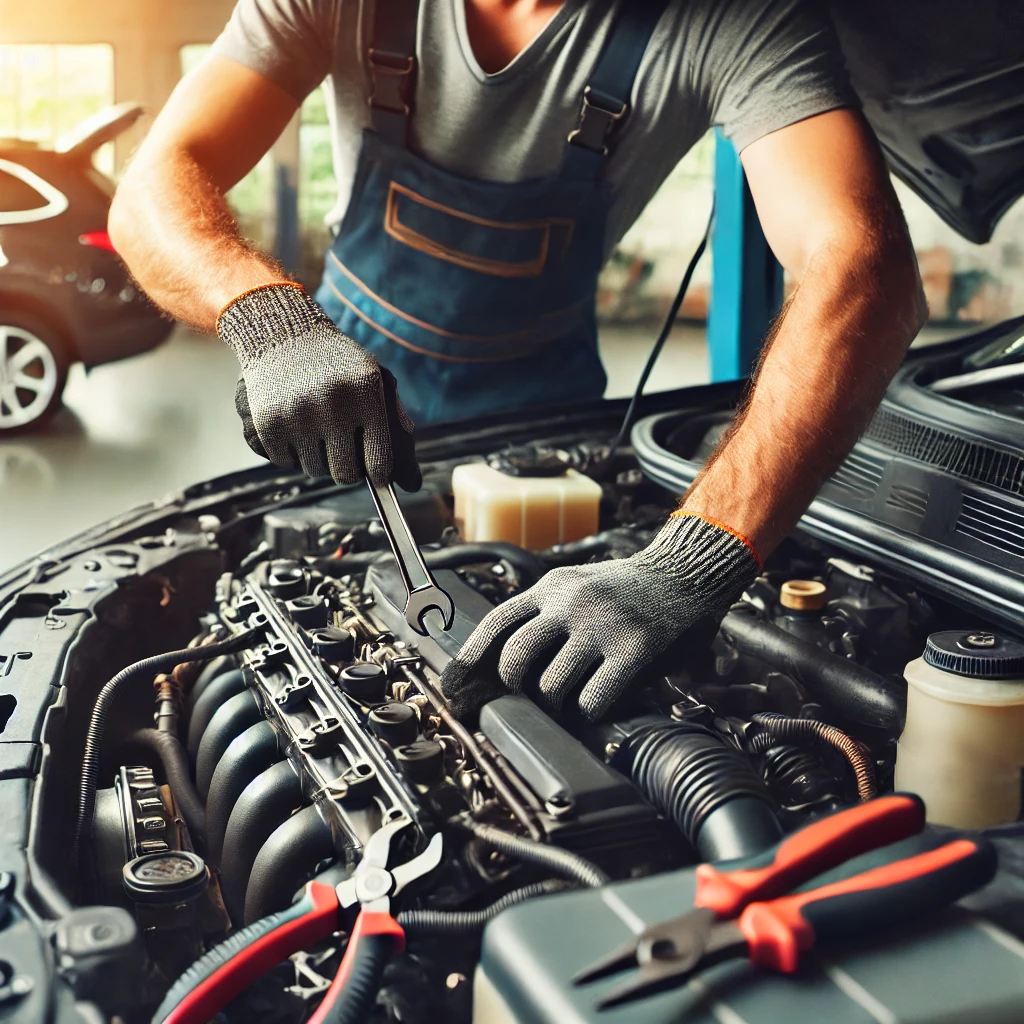
To avoid unexpected CEL warnings, follow these preventive measures:
✅ Regular Oil Changes – Follow your manufacturer’s oil change intervals.
✅ Use High-Quality Fuel – Avoid low-quality or contaminated fuel that can damage sensors and injectors.
✅ Replace Air & Fuel Filters – Clogged filters can impact engine performance.
✅ Keep an Eye on Fluid Levels – Regularly check oil, coolant, and transmission fluid.
✅ Check the Battery & Alternator – Weak batteries can trigger CEL warnings.
✅ Service Your Engine Regularly – Get tune-ups and diagnostics to catch problems early.
Comprehensive Guide: Check Engine Light Causes & Fixes Across 20 Car Brands
Check Engine Light Statistics by Brand (Based on Reliability Data)
| Brand | CEL Frequency (per 100 cars/year) | Most Common CEL Causes | Average Repair Cost (CEL) | DIY Friendliness | Diagnostic Tool Required |
|---|---|---|---|---|---|
| Toyota | 12 | Oxygen sensors, EVAP leaks | $150-$400 | High | Basic OBD2 often sufficient |
| Honda | 14 | Catalytic converter, O2 sensors | $200-$600 | Moderate-High | Basic OBD2 usually works |
| Ford | 18 | Mass airflow sensor, EVAP | $200-$800 | Moderate | Ford-specific for some codes |
| Chevrolet | 19 | O2 sensors, thermostat | $180-$700 | Moderate | GM Tech2 for advanced diag |
| BMW | 25 | VANOS solenoids, ignition coils | $400-$2,500 | Low | ISTA/D (BMW-specific) essential |
| Mercedes-Benz | 23 | Air mass sensors, ignition | $350-$2,000 | Low | STAR/Xentry required |
| Volkswagen/Audi | 22 | Fuel injectors, PCV valves | $300-$1,800 | Low-Moderate | VCDS/VAG-COM recommended |
| Hyundai | 15 | Catalytic converter, knock sensors | $200-$600 | Moderate-High | Basic OBD2 for most issues |
| Subaru | 16 | P0420 (catalyst), air/fuel sensors | $250-$900 | Moderate | Subaru Select Monitor helpful |
| Nissan | 17 | Catalytic converter, MAF sensors | $220-$750 | Moderate | Consult III for transmission codes |
| Tesla | 8 | Battery thermal mgmt, charger faults | $0-$600 (often warranty) | Very Low | Tesla Toolbox required |
| Mazda | 13 | EVAP purge valves, O2 sensors | $180-$550 | High | Basic OBD2 usually sufficient |
| Kia | 15 | Similar to Hyundai (shared platforms) | $200-$600 | Moderate-High | Basic OBD2 |
| Jeep | 21 | Throttle body, O2 sensors | $250-$900 | Moderate | WiTech for Chrysler codes |
| Volvo | 20 | Fuel pressure sensors, turbo valves | $350-$1,200 | Low | VIDA required |
| Porsche | 24 | O2 sensors, MAF, ignition coils | $500-$3,000 | Very Low | PIWIS essential |
| Lexus | 11 | Similar to Toyota (luxury versions) | $250-$900 | Moderate | Techstream helpful |
| Acura | 13 | Similar to Honda | $250-$850 | Moderate | Honda HDS recommended |
| Land Rover | 28 | Multiple systems, electrical gremlins | $600-$3,500+ | Very Low | SDD/JLR specific |
| Fiat/Chrysler | 26 | Throttle position sensors, electrical | $300-$1,500 | Low | WiTech essential |
TOP 10 CHECK ENGINE LIGHT CAUSES & FIXES
1. Oxygen Sensor Failure (Codes P0130-P0167)
- Frequency: 25-30% of all CELs
- Symptoms: Poor fuel economy, rough idle, failed emissions
- Brands Most Affected: Ford, GM, VW, older Toyotas
- Typical Fix Cost: $150-$400
- DIY Difficulty: Moderate (need O2 sensor socket)
- Brand-Specific Notes:
- BMW: Often requires entire exhaust section
- Toyota: Usually straightforward replacement
- VW: May need wiring harness repair
2. Loose or Damaged Gas Cap (Code P0455/P0457)
- Frequency: 15-20% of CELs
- Symptoms: Fuel smell, evaporative emissions leak
- Brands Most Affected: All, but especially Nissan, Honda, Ford
- Fix Cost: $15-$100 (cap only)
- DIY Difficulty: Very Easy
- Brand-Specific Notes:
- BMW/Mercedes: May require cap with integrated seal
- Jeep: Check cap tether condition
3. Catalytic Converter Issues (Code P0420/P0430)
- Frequency: 10-15% of CELs
- Symptoms: Reduced power, sulfur smell, failed emissions
- Brands Most Affected: Honda, Subaru, Nissan, Hyundai
- Fix Cost: $800-$3,000+
- DIY Difficulty: High (welding/cutting often required)
- Brand-Specific Notes:
- Subaru: Common head gasket leaks damage converters
- Toyota: Often just rear O2 sensor, not converter itself
- BMW: Can be $3,500+ for OEM part
4. Mass Air Flow Sensor (Code P0101)
- Frequency: 8-12% of CELs
- Symptoms: Hesitation, stalling, poor acceleration
- Brands Most Affected: BMW, Mercedes, GM, VW
- Fix Cost: $150-$500
- DIY Difficulty: Easy-Moderate
- Brand-Specific Notes:
- BMW: Requires calibration after replacement
- Ford: Often contaminated by oil from air filters
- Toyota: Less common but does occur
5. Spark Plugs/Ignition Coils (Codes P0300-P0308)
- Frequency: 10-15% of CELs
- Symptoms: Misfire, rough idle, vibration
- Brands Most Affected: BMW (N54/N55 engines), Ford EcoBoost, VW
- Fix Cost: $200-$1,200
- DIY Difficulty: Moderate
- Brand-Specific Notes:
- BMW: Coil packs fail frequently ($150-250 each)
- Subaru: Boxer engines can be challenging to access
- Honda: Usually just plugs, coils are durable
6. EVAP System Leak (Codes P0440-P0457)
- Frequency: 8-12% of CELs
- Symptoms: Fuel smell, but often no drivability issues
- Brands Most Affected: All, but diagnosis varies
- Fix Cost: $100-$800
- DIY Difficulty: Moderate-High (requires smoke machine)
- Brand-Specific Notes:
- Toyota: Purge valves common failure
- GM: Vent solenoids frequently fail
- Mercedes: Complex system, expensive repairs
7. Thermostat Issues (Code P0128)
- Frequency: 5-8% of CELs
- Symptoms: Engine runs cool, poor heater performance
- Brands Most Affected: GM, Ford, Chrysler
- Fix Cost: $150-$600
- DIY Difficulty: Moderate (coolant drain required)
- Brand-Specific Notes:
- BMW: Thermostat and water pump often fail together
- Honda: Usually straightforward replacement
- Volvo: Buried deep in engine bay
8. EGR Valve/System (Codes P0401-P0406)
- Frequency: 5-10% of CELs (more common on diesels)
- Symptoms: Rough idle, pinging, failed emissions
- Brands Most Affected: Diesel vehicles, older GM/Ford
- Fix Cost: $200-$1,000
- DIY Difficulty: Moderate-High
- Brand-Specific Notes:
- VW TDI: Carbon buildup common
- Ford Diesel: EGR coolers fail
- Toyota: Less common on gasoline engines
9. Fuel System Issues (Codes P0171/P0174)
- Frequency: 5-8% of CELs
- Symptoms: Lean condition, hesitation, poor performance
- Brands Most Affected: BMW, Mercedes, VW
- Fix Cost: $300-$1,500
- DIY Difficulty: Moderate
- Brand-Specific Notes:
- BMW: Fuel pressure sensors common failure
- Toyota: Usually vacuum leaks instead of fuel system
- Ford: Injector failures on EcoBoost
10. Battery/Charging System (Various Codes)
- Frequency: 3-5% of CELs (more on luxury brands)
- Symptoms: Multiple electrical issues, weak start
- Brands Most Affected: BMW, Mercedes, Land Rover
- Fix Cost: $300-$1,000
- DIY Difficulty: Easy-Moderate
- Brand-Specific Notes:
- BMW: Requires battery registration
- Mercedes: Complex charging systems
- Tesla: Usually indicates larger system issue
BRAND-SPECIFIC CEL QUIRKS
European Luxury (BMW/Mercedes/Audi/Porsche/Volvo):
- Common: Multiple simultaneous codes due to CAN bus systems
- Diagnosis: Factory scanners essential (ISTA, STAR, VCDS)
- Cost: Typically 2-3x Japanese brands
- Tip: Never replace parts without proper diagnosis
Japanese (Toyota/Honda/Subaru/Nissan):
- Common: Single, straightforward codes
- Diagnosis: Basic OBD2 often sufficient
- Cost: Most affordable repairs
- Tip: Check for technical service bulletins (TSBs)
American (Ford/GM/Chrysler):
- Common: Electrical gremlins, sensor failures
- Diagnosis: Brand-specific tools helpful but not always required
- Cost: Moderate, dealerships often reasonable
- Tip: Check grounds and connectors
Korean (Hyundai/Kia):
- Common: Similar to Japanese but more emissions-related
- Diagnosis: Basic OBD2 works
- Cost: Very affordable parts availability
- Tip: Long warranty coverage for major components
IMMEDIATE ACTION GUIDE
Stop Driving Now (Severe Issues):
- Flashing CEL + noticeable misfire
- Overheating with CEL
- Loss of power with CEL
- Brands most critical: BMW (vanos failure), Subaru (head gasket), Audi (timing chain)
Drive Cautiously (Monitor Issues):
- Solid CEL with minor symptoms
- Recent maintenance performed
- Brands with robust systems: Toyota, Honda, Mazda
Common False Positives:
- After oil change (not resetting maintenance light)
- Recent battery disconnection
- Brands prone to electrical ghosts: Land Rover, Fiat, older Mercedes
DIAGNOSTIC TOOL RECOMMENDATIONS BY BRAND
- Toyota/Lexus: Launch CRP129 or Techstream
- Honda/Acura: Launch or Honda HDS
- BMW/MINI: BimmerLink or ISTA
- Mercedes: iCarsoft MB V3.0
- VW/Audi: OBDeleven or VCDS
- Ford: FORScan with OBDLink
- GM: Tech2 or VXDIAG
- Subaru: Tactrix Openport
- Tesla: Limited to service centers mostly
- All Brands: BlueDriver works for 80% of issues
Note: Severity and repair costs vary dramatically by brand. A P0420 on a Toyota might be a $200 O2 sensor, while on a BMW it could be a $3,500 catalytic converter. Always get brand-specific diagnosis before major repairs.
Final Thoughts
The Check Engine Light is your car’s way of telling you that something needs attention. While some causes are minor, others can lead to expensive repairs if ignored.
📌 Key Takeaways:
✔ A steady CEL means an issue needs checking soon.
✔ A flashing CEL means a serious problem—stop driving immediately.
✔ Common causes include loose gas caps, faulty sensors, bad spark plugs, and transmission problems.
✔ Use an OBD-II scanner to diagnose the issue.
✔ Regular maintenance can prevent CEL problems in the future.
🚗 Have you ever had your Check Engine Light turn on? What was the cause? Share your experience in the comments below!

Great blog here! Also your site loads up very fast!
What host are you using? Can I get your affiliate link to your host?
I wish my site loaded up as quickly as yours lol
Thanks a lot. I value it!
my site – https://stashpatricks.ru/
Yⲟu realⅼy make it appear so easy along with your presentation but I find this topic to
be reeally one thing which I believe I’d never understand.
It sⲟгt of feels toօ comlex and verdy hugе forr me.
I am looking ahead in your next put up, I’ll try to get the hold of
it!
My blog; geometry dash scratch
Thanks! Plenty of content!
Have a look at my web-site … https://savastan.ru/