

# Corsa Exhaust – Complete Guide, Causes & Fixes
Introduction
If you’re chasing a deeper, cleaner tone from your ride or simply want a performance edge, a corsa exhaust is a popular upgrade for many car owners and DIY mechanics. In this guide, you’ll learn what a corsa exhaust is, common failure points, how to diagnose issues at home, and when it’s time to call in a pro. We’ll cover practical steps, cost estimates in USD, and tips to keep your exhaust system healthy for years to come. The main keyword here is corsa exhaust, and you’ll see related terms woven in so the article stays useful for beginners and seasoned DIYers alike.
What it is / Explanation
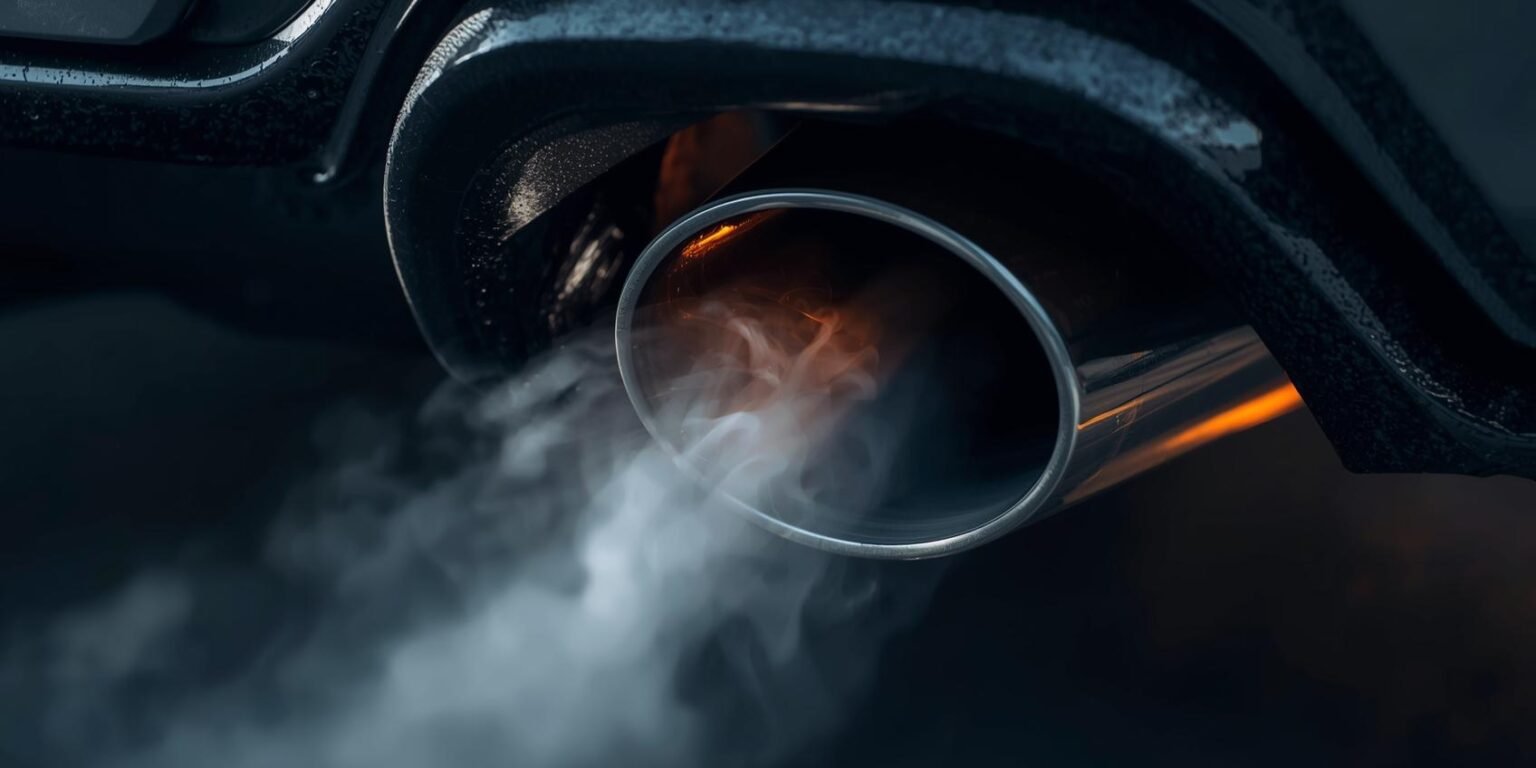
A corsa exhaust refers to a line of aftermarket exhaust systems made by Corsa Performance. These systems are designed to improve exhaust flow, enhance tone, and reduce drone inside the cabin through specific tuning and technology. Key points to know:
– Cat-back, axle-back, and universal-fit options are common in corsa exhaust lineups.
– Many corsa systems emphasize a “no-drone” or muted drone at cruising speeds, achieved through acoustic engineering like Reflective Sound Cancellation (RSC) in some models.
– Materials typically include stainless steel (often 304-grade) for corrosion resistance and a polished finish that looks good under the car.
– They aim to provide a sportier exhaust note without excessive cabin noise, which can appeal to both street-driven cars and weekend racers.
Bottom line: a corsa exhaust is an aftermarket upgrade designed to improve airflow, tune exhaust tone, and, in many cases, reduce unwanted cabin drone—while using high-quality materials to resist rust and wear.
Common Causes of Problems
Exhaust issues don’t always start with a dramatic rattle. Many symptoms come from aging components or simple wear-and-tear. Here are the most common culprits you’ll see with corsa exhaust systems (and exhausts in general):
– Corrosion and rust: road salt, moisture, and road debris can corrode pipes, hangers, and clamps.
– Damaged exhaust hangers or mounts: worn or broken rubber hangers allow movement that can lead to rattles or misalignment.
– Loose or damaged clamps: vibration over time can loosen clamps, causing leaks or noise.
– Leaks at joints or gaskets: gaskets between sections wear out, causing hissing or loud exhaust leaks.
– Damaged or bent piping: off-road hazards or collisions can dent or bend exhaust pipes.
– Catalytic converter issues: a clogged or damaged cat can cause performance loss, heat, or a rough idle.
– O2 sensor or downstream sensor problems: faulty sensors can trigger a check engine light and affect performance or fuel economy.
– Internal muffler damage: a punctured or degraded muffler can cause loud exhaust and reduced backpressure balance.
– Drone or tone shifts after a modification: some installations can alter the exhaust’s resonance in ways that feel loud in the cabin, especially in certain RPM ranges.
Symptoms / How to Identify the Problem
Diagnosing an exhaust issue starts with listening, visual checks, and attention to changes in performance. Watch for:
– Loud exhaust note or increased drone at highway speeds.
– Rattling or metallic clatter from under the car, especially when accelerating, decelerating, or going over bumps.
– Visible exhaust leaks: soot around joints, black discharge, or hissing sounds when the engine is running.
– Hissing or popping noises from the exhaust when starting or after a rev.
– Decreased performance, reduced throttle response, or lower fuel efficiency.
– Check Engine Light (CEL) illuminated, possibly with codes related to oxygen sensors, misfires, or catalytic converter efficiency.
– Uneven exhaust tone across RPM ranges or a tone that’s not characteristic of your corsa exhaust.
If you notice any of these, start with a careful inspection (see Troubleshooting Guide below) and consider whether a recent installation or road damage could be the trigger.
Step-by-Step Troubleshooting Guide
Follow these steps to diagnose most corsa exhaust issues. Safety first: cool engine, use jack stands if you need to crawl underneath, and wear eye protection if you’re handling rusty hardware.
1) Safety check and prep
– Park on level ground and engage parking brake.
– If you’ll be under the car, ensure it’s supported with jack stands on solid ground.
– Gather tools: flashlight, pry bar or magnetic pickup, socket/wrench set, soapy water spray, rag, removable rust penetrant if needed.
2) Visual inspection
– Look for rust holes, dents, or cracks along the piping, muffler, and resonator.
– Inspect hangers and rubbers for wear or breakage; ensure all mounts hold the system in place.
– Check clamps for looseness or corrosion; tighten or replace as needed.
3) Listen for leaks
– With the engine running at idle, carefully feel around joints (without getting close to hot surfaces) for air escaping.
– Apply a thin stream of soapy water to joints; if you see bubbles forming, that’s a leak.
– Move under the car and listen for new rattles or droning changes.
4) Check sensors and codes
– If the CEL is on, retrieve codes with an OBD-II scanner. Common codes related to exhaust include P0420 (catalyst efficiency), P0171/P0174 (system too lean), or O2 sensor codes.
– Inspect downstream O2 sensors and wiring for damage or contamination; replace if necessary.
5) Inspect the muffler and resonator
– Look for crushed interior baffles, holes, or signs of collapse.
– Gently shake the muffler to detect loose baffles or internal movement.
6) Test for overall fit and alignment
– Confirm that the system aligns with factory hangers and clearances. A misaligned system can rub on underbody panels or sway bars, causing noise.
7) Decide on repair vs replacement
– Minor leaks at joints or clamps can often be resolved with new clamps, gaskets, or a quick weld.
– Bent or heavily corroded sections typically require replacement.
– A failed catalytic converter or O2 sensor often warrants replacement or professional service.
When Repair is Possible vs When to Visit a Mechanic
– DIY-friendly repairs: loose clamps, small leaks at simple joints, replacing damaged hangers, cleaning or resealing small gaskets, upgrading hangers to stronger polyurethane options.
– Moderate DIY with some welding: replacing a damaged section or muffler, provided you have a welder or access to a shop that can weld stainless steel.
– Professional repair/replacement: cracked pipes near the cat, severe rust that compromises the entire system, catalytic converter issues, or any work that requires cutting and welding stainless steel in hard-to-reach areas. Also, if you’re dealing with emissions-related codes (P0420, P0430), a professional inspection is often wise, especially in regions with strict emissions laws.
Repair / Replacement Cost Estimates (USD)
Costs vary by vehicle, region, and the exact corsa exhaust model. Here are ballpark figures to help you plan:
– Basic clamp or hanger replacement
– Parts: $5–$20 per clamp; $10–$40 per hanger
– Labor: $60–$120
– Total: $70–$160
– Minor exhaust gasket or leak repair
– Parts: $10–$40
– Labor: $80–$200
– Total: $90–$240
– Muffler or resonator replacement (mid-range)
– Parts: $60–$250
– Labor: $120–$350
– Total: $180–$600
– Cat-back exhaust replacement (typical corsa cat-back)
– Parts: $400–$900 (depending on model and vehicle)
– Labor: $200–$600
– Total: $600–$1500
– Catalytic converter replacement (staggering variable; many states regulate emissions)
– Parts: $400–$2300 (new converter; high-performance or CARB-compliant units may be pricier)
– Labor: $150–$500
– Total: $550–$2800
– Note: In California and several other states, ensure any catalytic converter or exhaust parts have CARB EO numbers to avoid failing emissions tests.
– Full system replacement (cat-back or full header-back)
– Parts: $500–$1800 (cat-back; headers add more)
– Labor: $300–$900
– Total: $800–$2700
Costs can vary by region. For example, in areas with high labor rates or where CARB-compliant parts are required, you’ll see higher prices. If you’re in the US, California and a handful of other states have stricter emissions requirements; always check that any corsa exhaust or related components are CARB-compliant to avoid compliance issues.
Preventive Tips to Extend Life
– Wash the undercarriage in winter or after exposure to salt to slow rust.
– Inspect exhaust hangers and clamps every 6–12 months; replace worn parts promptly.
– Use quality gaskets and anti-seize on bolts (appropriate for exhaust hardware) to ease future removal.
– Avoid aggressive off-roading that can bend or dent the pipes; if you do off-road frequently, consider heavier-duty hangers and reinforcement.
– If you live in regions with frequent temperature swings, periodically inspect the insulation or heat shields to prevent heat-induced cracks.
– Choose a corsa exhaust with durable stainless steel and protective coatings; stainless systems tend to last longer than aluminized ones.
– After installation, re-tighten clamps after the first few hundred miles, as parts settle and vibrations occur.
FAQs
1) What is a corsa exhaust?
– A corsa exhaust is an aftermarket exhaust system from Corsa Performance designed to improve flow and tone while reducing drone. It often uses stainless steel construction and acoustical tuning, such as Reflective Sound Cancellation, to achieve a sportier sound without excessive cabin noise.
2) Do corsa exhausts increase horsepower?
– They can improve horsepower modestly by reducing exhaust backpressure and improving flow, especially if you’re moving from a stock or restrictive exhaust. Real-world gains often range from a few horsepower to a noticeable but moderate increase, depending on the vehicle, engine tuning, and whether you’re upgrading other intake or exhaust components.
3) Will a corsa exhaust cause more drone?
– Corsas are designed to minimize drone, but some models can introduce different tonal characteristics at certain RPMs. If you experience drone after installation, check muffler configuration, hangers, and ensure all clamps are tight. In some cases, changing the tip or adjusting mounting positions can reduce drone.
4) Is a corsa exhaust street-legal everywhere?
– In the US, many corsa exhaust options are street-legal, but legality depends on local and state regulations, especially regarding noise levels and emissions. In California and a few other states, you must use CARB-compliant exhaust components. Always verify compliance for your state before purchasing.
5) How long does a corsa exhaust last?
– A high-quality corsa exhaust can last 5–10+ years under normal driving conditions, particularly with stainless steel construction and consistent maintenance. Extreme driving conditions, road salt exposure, or heavy off-roading can shorten lifespan.
Conclusion
A corsa exhaust can be a smart upgrade for those seeking a leaner exhaust path, improved sound, and reduced drone. Whether you’re doing a DIY installation or deciding when to seek professional help, understanding common failure points and how to identify them will save you time and money. Always consider regional regulations, especially emissions rules, when selecting a corsa exhaust for your vehicle. Regular inspections, careful maintenance, and quality components will help your corsa exhaust perform at its best for years to come.
Have car problems? Ask in the comments and I’ll help!