




Exhaust Leak: Complete Guide to Causes, Symptoms, and Fixes
Introduction
An exhaust leak is a common car issue that DIY enthusiasts and everyday drivers in the United States and Canada run into. A small exhaust leak can be noisy and annoying, but it can also cost you fuel economy and, more importantly, pose a carbon monoxide risk if it lets exhaust gases into the cabin. This complete guide covers what an exhaust leak is, the typical causes, how to identify it, a step-by-step troubleshooting approach, when to DIY vs. when to call a pro, cost estimates in USD, preventative tips, and answers to common questions.
What it is / Explanation
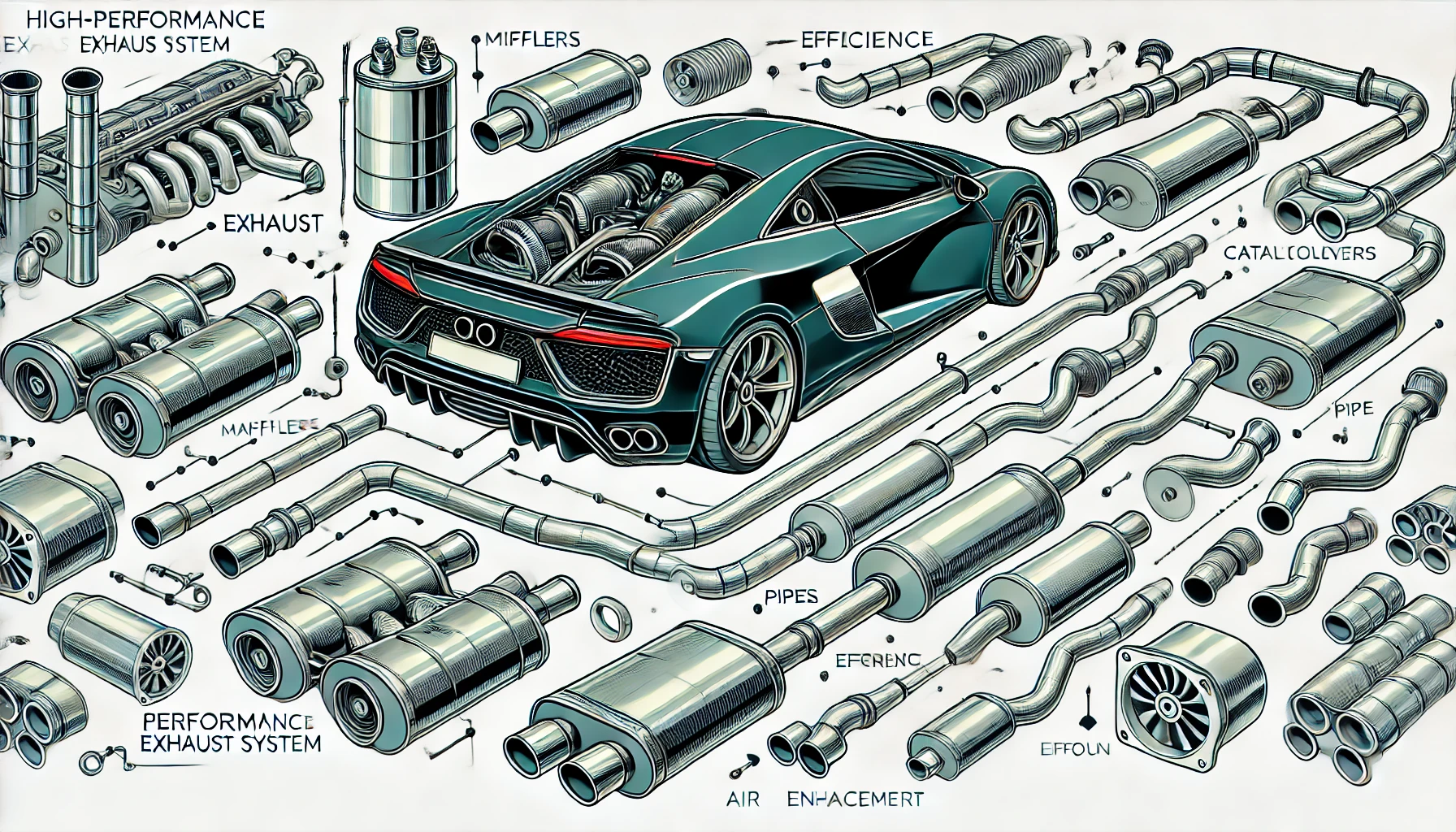
– The exhaust system channels burned gas away from the engine and out the tailpipe. It includes the exhaust manifold, pipes, flexible sections, catalytic converter, resonator, muffler, and hangers.
– An exhaust leak means there’s a gap or crack in one of these parts or connections through which exhaust gases escape before reaching the tailpipe.
– Leaks can occur at hot spots (manifold, gasket joints) or after the catalytic converter (pipes, clamps, resonator). In any case, leaks disturb back pressure, sound levels, and emissions readings, and can allow dangerous gases to enter the cabin if the leak is near the rear of the vehicle.
Common causes
– Rust and corrosion: Rusted exhaust pipes, hangers, or flanges that develop holes or cracks.
– Loose or missing clamps and hangers: Vibration can loosen clamps or break hangers over time.
– Damaged or worn gaskets: Exhaust manifold or flange gaskets can fail, especially on older engines or high-mileage vehicles.
– Cracked or warped exhaust manifold: A cracked manifold often leaks at the gasket seal around an exhaust port.
– Damaged flex pipe: The flexible section can crack from movement, heat cycling, or road debris.
– Punctures from road debris: Rocks and impact can puncture pipes or bends.
– Damaged catalytic converter or resonator: Leaks can occur at welds or connections if the converter or resonator is compromised.
– Improper installations or aftermarket parts: Poorly fitted components or low-quality clamps/gaskets can lead to leaks.
Symptoms / how to identify the problem
– Audible signs:
– Louder engine noise, rasp or hissing at certain RPMs
– Tapping, crackling, or popping sounds when accelerating or idle
– Smell and air quality:
– Noticeable exhaust fumes or a strong gasoline/rotten-egg odor near the vehicle
– Fumes that seem to enter the cabin (especially with windows up)
– Visible indicators:
– Soot or black residue around joints, clamps, or connections
– Corroded or rusty pipes, holes in pipes, or warped manifolds
– Performance and emissions:
– Slight loss of power or reduced fuel economy
– Check Engine Light may come on due to sensor readings reacting to abnormal exhaust flow
– Emissions test failure or high CO readings in some cases
– Location-specific clues:
– Noise louder near engine bay often points to manifold or header leaks
– Noise louder near the rear of the vehicle points to muffler, resonator, or tailpipe leaks
Step-by-step troubleshooting guide
Safety first: Park on a flat surface, engine off, and cool before touching anything. Wear gloves and eye protection. If you smell strong exhaust inside the cabin, leave the area and ventilate the vehicle.
1) Visual inspection
– Look for rust, holes, or cracks in the exhaust pipe from the front to the rear.
– Check all clamps, hangers, and flanges for looseness or damage.
– Inspect the exhaust manifold area around the engine for soot, staining, or cracks.
– Inspect the catalytic converter, resonator, and muffler for rusted shells, holes, or welding cracks.
2) Listen and feel
– With the engine running (in a safe, open-air area), listen for a hiss or crackle around joints.
– With the engine running, feel around suspected joints for air movement using you hand (keep hands at a safe distance from hot surfaces).
3) Soap-water test (for leaks in accessible joints)
– Mix dish soap with water in a spray bottle.
– With the engine running (and everyone away from moving parts), spray the joints and suspect areas.
– Look for bubbling where air escapes—this indicates a leak.
4) Pressure or smoke test (more advanced)
– A mechanic can perform a smoke test to push non-toxic smoke through the exhaust system to reveal leaks.
– Some DIYers improvise using a compressed air source and soapy spray, but this is less reliable and safety-focused.
5) Check auxiliary indicators
– If you have an OBD-II scanner, note any codes related to misfires, fuel trim, or catalytic efficiency, which can point to exhaust flow issues.
– Listen for abnormal engine behavior at idle or under load, which can accompany leaks near the manifold or headers.
6) Narrowing down the location
– Manifold area: loud ticking or tapping, especially on startup.
– Upstream pipes: hissing noise when you first start and when revving gently.
– Downstream sections: pop or crackle and more exhaust odor near the rear.
When repair is possible vs when to visit a mechanic
DIY-friendly repairs (small leaks or minor fixes)
– Tightening clamps or mounting hardware that’s loose.
– Replacing simple gaskets (manifold or flange gaskets) if you have basic hand tools.
– Replacing a damaged small section of pipe or a cut and clamp patch for minor pinholes on accessible segments.
– Replacing a broken exhaust hanger or a corroded bracket.
When to visit a mechanic (recommended)
– Major cracks, holes, or severe rust through a pipe, muffler, resonator, or the catalytic converter.
– Cracked exhaust manifold, warped header, or damaged welds that require heating and precise welding or replacement.
– Leaks that involve the catalytic converter or close proximity to the O2 sensors or sensors wiring.
– If you smell exhaust inside the cabin or suspect a strong CO presence.
– Vehicles with emissions-related error codes tied to exhaust flow or catalytic activity.
– If you’re unsure about the location of the leak or lack the tools to safely perform repairs.
Repair / Replacement Cost Estimates (USD)
Notes: Costs vary by vehicle make/model, region, and whether you do it yourself or hire a shop. The ranges below are typical for the United States.
– Small gasket replacement (manifold/flange gasket): parts $20–$100 + labor $150–$400
– Clamps or hangers replacement: parts $10–$30 per clamp/hanger + labor $50–$150
– Patching a small pinhole or patch sleeve: parts $20–$60 + labor $50–$150
– Flex pipe replacement: parts $60–$150 + labor $200–$500
– Exhaust pipe replacement (section): parts $30–$150 + labor $100–$400
– Catalytic converter replacement: parts $600–$2,500 + labor $200–$800 (depends heavily on vehicle)
– Exhaust manifold replacement: parts $100–$600 + labor $300–$1,200 or more (labor intensive)
– Full exhaust system replacement (rare): $500–$2,000+ for parts + labor
Preventive tips
– Inspect under the car at least twice a year (before winter and before road trips) for rust, corrosion, or damaged components.
– Treat rust early: address rust on pipes, flanges, or hangers before cracks form.
– Use high-quality clamps and gaskets: avoid cheap, low-quality hardware that can loosen or corrode quickly.
– Avoid aggressive off-road driving that can bend pipes or damage hangers.
– Keep heat shields in place and ensure no loose heat shields contact pipes.
– After repairs, test for leaks with a soapy spray or smoke test to ensure a proper seal.
– Drive regularly to keep exhaust components warmed up; this helps avoid condensation buildup and internal rust.
– If you have a vehicle with a known rust issue in certain regions, consider rust-resistant sections or a stainless steel exhaust system, especially in northern climates with road salt.
FAQs
Q: Can I drive with an exhaust leak?
A: It depends on the location and size. Small leaks away from the cabin may be tolerable for short trips, but any leak that allows exhaust into the cabin or affects performance should be repaired. Carbon monoxide risk makes it unsafe to drive with an active leak.
Q: How long does a typical exhaust repair take?
A: DIY repairs for simple leaks can take 1–3 hours, depending on access and tools. Major repairs or manifold work in a shop may take half a day to a full day.
Q: Will an exhaust leak cause a check engine light?
A: It can, especially if the leak affects oxygen sensor readings or catalytic converter efficiency. In some cases, codes related to misfires or fuel trim may appear.
Q: Are all exhaust leaks fixable at home?
A: Small leaks in accessible pipes or near clamps can be tackled with the right tools. More complex issues like cracked manifolds, a bad catalytic converter, or extensive rust should be handled by a professional.
Q: How can I tell if the leak is from the manifold vs the tailpipe?
A: Manifold leaks typically show up as a loud ticking or tapping near the engine, especially on startup. Leaks further back tend to produce a hissing sound near the ends of the exhaust system or stronger odour in the cabin. A smoke or soapy-water test helps confirm the exact location.
Conclusion + CTA
An exhaust leak is more than a nuisance — it can affect performance, fuel economy, and safety. A careful visual inspection, listening for abnormal sounds, and targeted testing can help you pinpoint leaks and decide whether a DIY fix is feasible or a professional repair is warranted. Addressing leaks promptly prevents further damage to the exhaust system and reduces the risk of carbon monoxide exposure.
Have car problems? Ask in the comments and I’ll help!