



Car repairs can be expensive, and many drivers wonder: “how to get insurance to pay for car repair ?” Understanding your options and knowing the correct steps can save hundreds—or even thousands—of dollars. This guide explains the process, coverage types, tips, and what to avoid when filing a claim.
- 1. Know Your Insurance Coverage
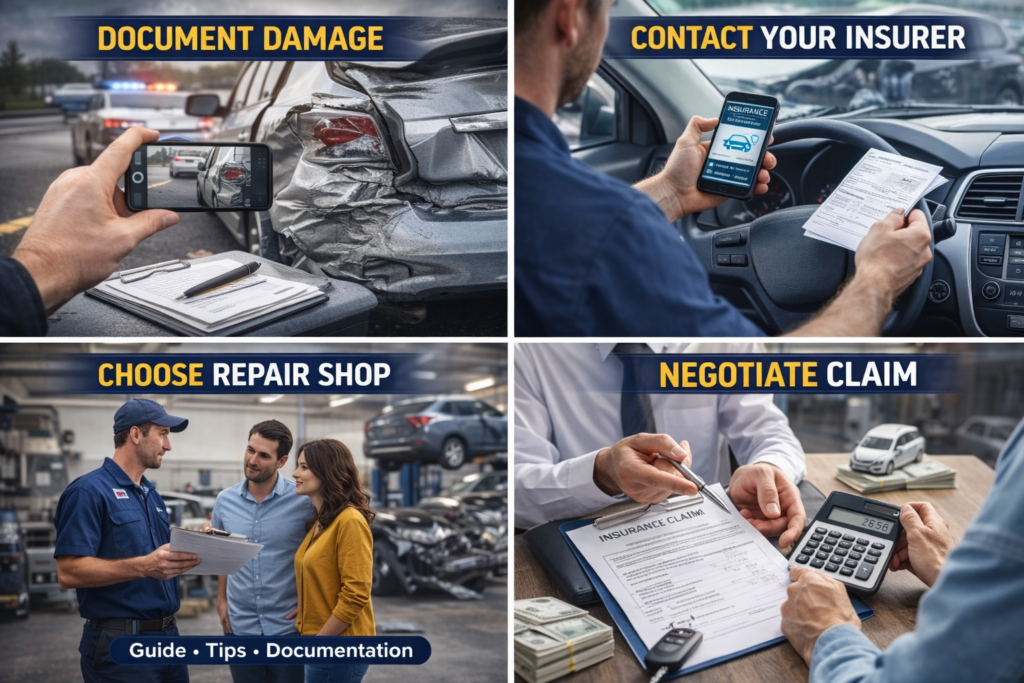
- 2. Document the Damage Immediately
- 3. Contact Your Insurance Company Promptly
- 4. Understand Your Deductible
- 5. Choose an Approved or Independent Repair Shop
- 6. Get a Repair Estimate
- 7. File the Claim Correctly
- 8. Negotiate if Needed
- 9. Understand Rental Car Coverage
- 10. Avoid Common Mistakes
- 11. When Insurance May Refuse Coverage
- 12. Quick Checklist: How to Get Insurance to Pay for Car Repair
- Conclusion
1. Know Your Insurance Coverage
Before anything else, you need to understand your policy. Car insurance isn’t one-size-fits-all, and coverage depends on the type of insurance you have:
Types of Coverage That May Pay for Car Repairs
- Collision Coverage
- Covers damage to your car from collisions, whether with another vehicle or object.
- Usually requires paying a deductible first.
- Comprehensive Coverage
- Covers non-collision events like theft, vandalism, fire, or natural disasters.
- Deductible may apply.
- Liability Insurance
- Only covers damage to other people or their property, not your own vehicle.
- Not applicable for your repair costs.
- Uninsured/Underinsured Motorist Coverage
- Helps cover repairs if another driver is at fault and lacks sufficient insurance.
Pro Tip: Keep a digital or printed copy of your policy handy when filing a claim.
2. Document the Damage Immediately
Insurance companies need evidence to approve your claim.
Steps to Document Damage:
- Take clear photos of all damaged areas from multiple angles.
- Record the date, time, and location of the incident.
- Include witness statements if available.
- Save police or accident reports if applicable.
Well-documented damage reduces claim disputes and speeds up approval.
3. Contact Your Insurance Company Promptly
Once damage occurs, notify your insurer as soon as possible.
What to Include in Your Call or Email:
- Your policy number
- A brief explanation of the incident
- Photos and documentation
- Any police report numbers (if applicable)
Most insurers have a 24/7 claims hotline, and reporting quickly increases the chances of full coverage.
4. Understand Your Deductible
Most car repair claims involve a deductible, which is the amount you pay out-of-pocket before insurance kicks in.
- Example: Repair costs = $1,200, deductible = $500 → Insurance pays $700.
- If repair cost is lower than the deductible, it may not be worth filing a claim.
Pro Tip: Ask your insurer if your deductible is per claim or per incident—this can affect your decision.
5. Choose an Approved or Independent Repair Shop
Many insurance companies have preferred repair networks:
- Approved shops:
- Work directly with insurers.
- Often offer faster approval and may waive some administrative fees.
- Insurance may cover rental cars while your car is repaired.
- Independent shops:
- Can still get repairs covered, but you may need pre-approval.
- Keep all receipts and documentation for reimbursement.
Pro Tip: Always verify that the shop is licensed and ASE-certified to avoid disputes.
6. Get a Repair Estimate
Most insurance companies require a written estimate before approving repairs.
Steps:
- Take your car to multiple repair shops for quotes.
- Submit the lowest reasonable estimate to the insurance company.
- Ensure the estimate itemizes parts and labor.
Having multiple quotes gives you leverage if the insurer underestimates repair costs.
7. File the Claim Correctly
Filing accurately is key. Include:
- Incident details
- Repair estimates
- Photos and documentation
- Police reports
- Witness statements
Submit online, by email, or through your insurer’s mobile app. Keep a copy of all correspondence.
8. Negotiate if Needed
Insurance companies may initially offer a lower settlement.
Tips for Negotiation:
- Show multiple estimates from reputable repair shops.
- Provide proof of damage (photos, videos).
- Reference similar claims if available.
- Be polite but firm—document everything in writing.
Many drivers successfully increase their payout by 10–30% with proper negotiation.
9. Understand Rental Car Coverage
Some repairs take days or weeks. Check if your policy includes rental car reimbursement:
- Typical coverage: $30–$50/day, up to 30 days.
- Must be pre-approved by the insurance company.
- Use preferred rental partners to ensure coverage.
10. Avoid Common Mistakes
- Delaying reporting – Claims submitted late may be denied.
- Not documenting damage – Photos and estimates protect your claim.
- Choosing unlicensed repair shops – Can lead to denied coverage.
- Ignoring policy limits – Know your coverage cap to avoid surprise costs.
- Admitting fault unnecessarily – Provide facts, not speculation.
11. When Insurance May Refuse Coverage
Insurance companies may deny a claim if:
- Damage is excluded from your policy (e.g., normal wear and tear).
- Fraudulent information is provided.
- The claim is filed after policy expiration or lapse.
- Repairs exceed coverage limits.
If denied, you can appeal or provide additional documentation to support your case.
12. Quick Checklist: How to Get Insurance to Pay for Car Repair
- Review your policy coverage
- Document the damage with photos, videos, and reports
- Contact your insurance company immediately
- Understand your deductible
- Choose a licensed repair shop (approved or independent)
- Get multiple repair estimates
- File the claim with all supporting evidence
- Negotiate if the payout is too low
- Check rental car coverage
- Avoid common mistakes that delay claims
Conclusion
Knowing how to get insurance to pay for car repair isn’t complicated—but it requires preparation, documentation, and understanding your policy. By following these steps, you can ensure your claim is approved, your car is repaired properly, and your out-of-pocket expenses are minimized.
Always remember: prompt action and accurate documentation are your best tools for a smooth insurance claim.