
bg
OnlymechanicOnlymechanic
Font ResizerAa
  • Car Reviews
  • General knowledge
  • Car audio and tech installations
  • Car Maintenance
  • Car Performance
  • Care & Accessories
  • #4436 (pas de titre)
Search
  • Car Reviews
    • luxury car
  • General knowledge
  • Car audio and tech installations
  • Car Maintenance
    • Engine and transmission troubleshooting
    • Brake system maintenance
    • Electrical and battery solutions
    • Routine servicing
  • Car Performance
    • Best aftermarket parts reviews
    • Exhaust and intake system upgrades
    • Suspension and handling improvements
    • Performance tuning and modifications
  • Care & Accessories
    • Safety and security enhancements
    • Detailing and cleaning tips
    • Interior and exterior accessories
  • #4436 (pas de titre)
Sign In Sign In
Follow US
Onlymechanic.com copyright 2026
Car MaintenanceRoutine servicing

How to Prevent Engine Sludge Buildup

Mark Reynolds
Last updated: février 11, 2025 8:40 pm
By
Mark Reynolds
6 Min Read
engine sludge, prevent engine sludge, engine sludge buildup, how to prevent engine sludge, engine sludge causes, engine sludge symptoms, engine sludge removal, engine sludge cleaning, engine sludge treatment, engine sludge prevention tips, engine sludge prevention guide, engine sludge prevention hacks, engine sludge prevention tricks, engine sludge prevention myths, engine sludge prevention facts, engine sludge prevention explained, engine sludge prevention for beginners, engine sludge prevention for dummies, engine sludge prevention for enthusiasts, engine sludge prevention for mechanics, engine sludge prevention for DIY, engine sludge prevention for professionals, engine sludge prevention for car owners, engine sludge prevention for drivers, engine sludge prevention for daily drivers, engine sludge prevention for performance cars, engine sludge prevention for sedans, engine sludge prevention for SUVs, engine sludge prevention for trucks, engine sludge prevention for sports cars, engine sludge prevention for luxury cars, engine sludge prevention for economy cars, engine sludge prevention for hybrid cars, engine sludge prevention for electric cars, engine sludge prevention for diesel cars, engine sludge prevention for petrol cars, engine sludge prevention for gas cars, engine sludge prevention for manual cars, engine sludge prevention for automatic cars, engine sludge prevention for old cars, engine sludge prevention for new cars, engine sludge prevention for used cars, engine sludge prevention for leased cars, engine sludge prevention for fleet cars, engine sludge prevention for rental cars, engine sludge prevention for company cars, engine sludge prevention for family cars, engine sludge prevention for compact cars, engine sludge prevention for mid-size cars, engine sludge prevention for full-size cars, engine sludge prevention for coupes, engine sludge prevention for convertibles, engine sludge prevention for hatchbacks, engine sludge prevention for wagons, engine sludge prevention for crossovers, engine sludge prevention for vans, engine sludge prevention for minivans, engine sludge prevention for pickups, engine sludge prevention for motorcycles, engine sludge prevention for scooters, engine sludge prevention for ATVs, engine sludge prevention for RVs, engine sludge prevention for boats, engine sludge prevention for planes, engine sludge prevention for trains, engine sludge prevention for buses, engine sludge prevention for trucks, engine sludge prevention for tractors, engine sludge prevention for construction vehicles, engine sludge prevention for military vehicles, engine sludge prevention for emergency vehicles, engine sludge prevention for police cars, engine sludge prevention for ambulances, engine sludge prevention for fire trucks, engine sludge prevention for garbage trucks, engine sludge prevention for delivery trucks, engine sludge prevention for semi-trucks, engine sludge prevention for trailers, engine sludge prevention for caravans, engine sludge prevention for campers, engine sludge prevention for motorhomes, engine sludge prevention for long-distance driving, engine sludge prevention for city driving, engine sludge prevention for highway driving, engine sludge prevention for racing, engine sludge prevention for time trials, engine sludge prevention for autocross, engine sludge prevention for rallying, engine sludge prevention for endurance racing, engine sludge prevention for hill climbing, engine sludge prevention for land speed records, engine sludge prevention for top speed, engine sludge prevention for acceleration, engine sludge prevention for torque, engine sludge prevention for power, engine sludge prevention for efficiency, engine sludge prevention for reliability, engine sludge prevention for durability, engine sludge prevention for longevity.
SHARE

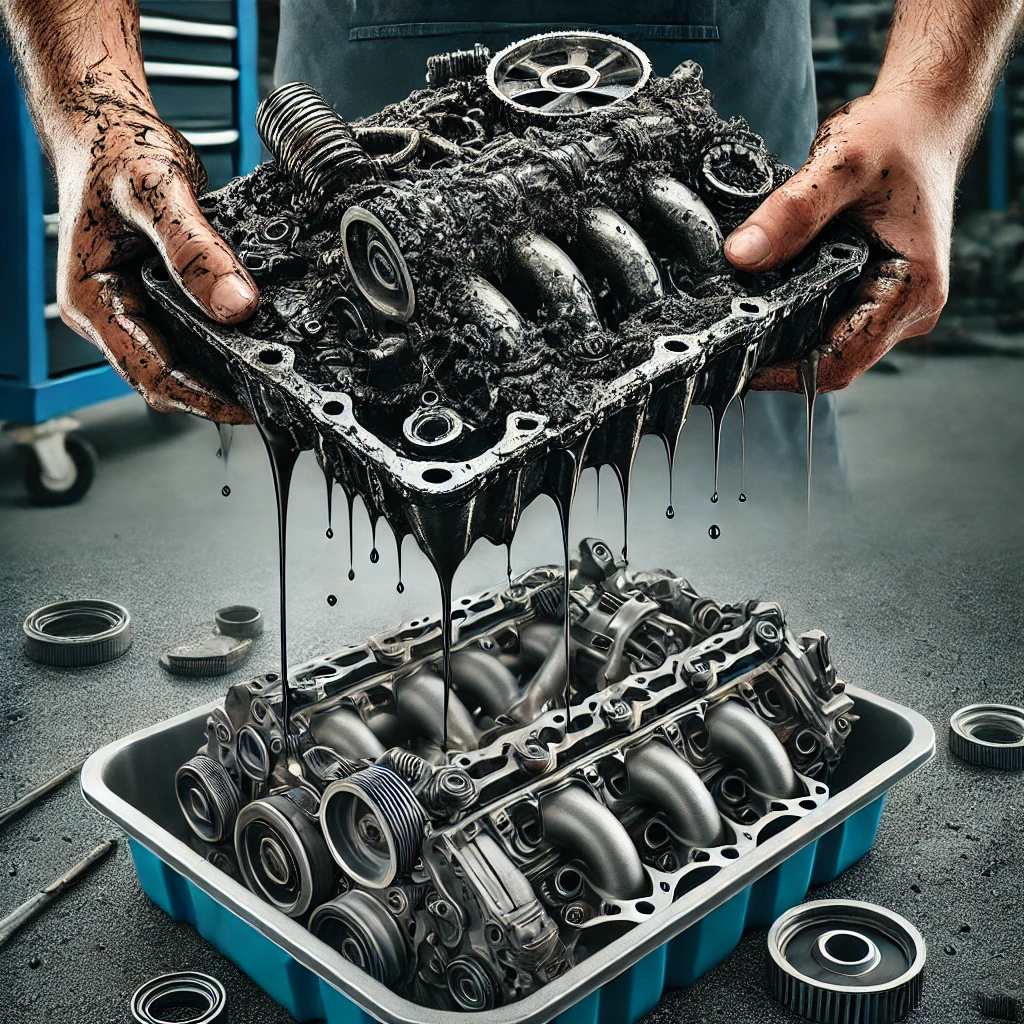
Engine sludge is a thick, tar-like substance that forms when oil breaks down and mixes with dirt, debris, and other contaminants. It can clog oil passages, reduce engine performance, and even lead to costly repairs if left unchecked. Preventing engine sludge buildup is essential for maintaining your car’s performance and longevity. In this detailed blog post, we’ll explore the causes of engine sludge, how to prevent it, and price comparisons for oil and additives. We’ll also provide additional tips to keep your engine clean and running smoothly.

Contents
  • 1. What Causes Engine Sludge?
    • Key Causes:
  • 2. How to Prevent Engine Sludge
    • 1. Change the Oil Regularly
    • 2. Use High-Quality Oil
    • 3. Replace the Oil Filter
    • 4. Use Engine Flush Additives
    • 5. Drive Longer Trips
    • 6. Maintain the Cooling System
  • 3. Price Comparisons for Oil and Additives
    • Engine Oils:
    • Engine Flush Additives:
  • 4. How to Clean Existing Sludge
    • Steps:
    • Recommended Products:
  • 5. Additional Tips to Prevent Sludge
  • Conclusion

1. What Causes Engine Sludge?

Sludge Icon

Engine sludge is the result of oil degradation and contamination. Here are the primary causes:

Key Causes:

  1. Infrequent Oil Changes: Old oil breaks down and loses its ability to lubricate and clean the engine.
  2. Short Trips: Frequent short trips prevent the engine from reaching optimal operating temperature, leading to moisture buildup.
  3. Low-Quality Oil: Cheap or substandard oil may not have the necessary additives to prevent sludge formation.
  4. Dirt and Debris: Contaminants can enter the engine through a dirty air filter or poor sealing.
  5. Engine Overheating: High temperatures can cause oil to break down faster.

2. How to Prevent Engine Sludge

Prevention Icon

Preventing engine sludge requires regular maintenance and the use of high-quality products. Here’s how to keep your engine clean:

1. Change the Oil Regularly

  • Why It’s Important: Fresh oil contains detergents and additives that clean the engine and prevent sludge formation.
  • How Often: Every 3,000–5,000 miles for conventional oil, or 7,500–10,000 miles for synthetic oil.

2. Use High-Quality Oil

  • Why It’s Important: High-quality oil has better additives and thermal stability, reducing the risk of sludge.
  • Recommended Brands:
    • Mobil 1 Synthetic Oil (25–25–50 for 5 quarts): Excellent sludge protection.
    • Castrol Edge Synthetic Oil (30–30–55 for 5 quarts): Designed for high-mileage engines.
    • Valvoline Full Synthetic Oil (20–20–40 for 5 quarts): Affordable and reliable.

3. Replace the Oil Filter

  • Why It’s Important: The oil filter traps contaminants that can contribute to sludge.
  • How Often: Replace with every oil change.
  • Recommended Brands:
    • Fram Oil Filter (5–5–10): Affordable and effective.
    • K&N Oil Filter (10–10–15): High-performance and durable.
    • Mobil 1 Oil Filter (10–10–20): Excellent filtration and flow.

4. Use Engine Flush Additives

  • Why It’s Important: Engine flush additives dissolve existing sludge and deposits.
  • Recommended Products:
    • Lucas Oil Engine Flush (10–10–15): Effective and easy to use.
    • Sea Foam Motor Treatment (10–10–15): Cleans sludge and carbon buildup.
    • BG EPR Engine Performance Restoration (20–20–30): Professional-grade cleaner.

5. Drive Longer Trips

  • Why It’s Important: Longer trips allow the engine to reach optimal temperature, burning off moisture and contaminants.
  • Tip: Combine short errands into one trip to reduce moisture buildup.

6. Maintain the Cooling System

  • Why It’s Important: Overheating accelerates oil breakdown and sludge formation.
  • How to Maintain:
    • Check coolant levels regularly.
    • Replace coolant every 30,000–50,000 miles.
    • Inspect hoses and belts for wear.

3. Price Comparisons for Oil and Additives

Price Icon

Here’s a comparison of popular oils and additives to prevent engine sludge:

Engine Oils:

BrandTypePrice Range (5 quarts)Key Feature
Mobil 1Synthetic25–25–50Excellent sludge protection
Castrol EdgeSynthetic30–30–55High-mileage protection
ValvolineSynthetic20–20–40Affordable and reliable

Engine Flush Additives:

BrandPrice RangeKey Feature
Lucas Oil Engine Flush10–10–15Effective and easy to use
Sea Foam Motor Treatment10–10–15Cleans sludge and carbon buildup
BG EPR Engine Performance Restoration20–20–30Professional-grade cleaner

4. How to Clean Existing Sludge

Cleaning Icon

If your engine already has sludge buildup, here’s how to clean it:

Steps:

  1. Use an Engine Flush: Add the flush to your oil, run the engine for 10–15 minutes, and drain the oil.
  2. Replace the Oil and Filter: Use high-quality oil and a new filter.
  3. Repeat if Necessary: For severe sludge, repeat the process or consult a professional.

Recommended Products:

  • Lucas Oil Engine Flush (10–10–15)
  • Sea Foam Motor Treatment (10–10–15)

5. Additional Tips to Prevent Sludge

Tips Icon

Here are some extra tips to keep your engine sludge-free:

  1. Check for Leaks: Oil leaks can introduce dirt and debris into the engine.
  2. Use a High-Quality Air Filter: A clean air filter prevents contaminants from entering the engine.
  3. Avoid Overheating: Regularly check the cooling system and address overheating issues promptly.
  4. Follow the Manufacturer’s Recommendations: Adhere to the maintenance schedule in your owner’s manual.
  5. Monitor Oil Levels: Check oil levels regularly and top off as needed.

Conclusion

Engine sludge is a preventable problem that can cause significant damage if ignored. By changing your oil regularly, using high-quality oil and filters, and maintaining your cooling system, you can keep your engine clean and running smoothly. If sludge has already formed, use engine flush additives to clean it out and restore performance.

With proper care and maintenance, you can prevent engine sludge buildup and extend the life of your engine. Follow these tips, and your car will thank you with reliable performance and fewer repairs!

Join Our Newsletter
Subscribe to our newsletter to get our newest articles instantly!
TAGGED:engine sludgeengine sludge buildupengine sludge causesengine sludge cleaningengine sludge prevention explainedengine sludge prevention factsengine sludge prevention for accelerationengine sludge prevention for ambulancesengine sludge prevention for ATVsengine sludge prevention for autocrossengine sludge prevention for automatic carsengine sludge prevention for beginnersengine sludge prevention for boatsengine sludge prevention for busesengine sludge prevention for campersengine sludge prevention for car ownersengine sludge prevention for caravansengine sludge prevention for city drivingengine sludge prevention for compact carsengine sludge prevention for company carsengine sludge prevention for construction vehiclesengine sludge prevention for convertiblesengine sludge prevention for coupesengine sludge prevention for crossoversengine sludge prevention for daily driversengine sludge prevention for delivery trucksengine sludge prevention for diesel carsengine sludge prevention for DIYengine sludge prevention for driversengine sludge prevention for dummiesengine sludge prevention for durabilityengine sludge prevention for economy carsengine sludge prevention for efficiencyengine sludge prevention for electric carsengine sludge prevention for emergency vehiclesengine sludge prevention for endurance racingengine sludge prevention for enthusiastsengine sludge prevention for family carsengine sludge prevention for fire trucksengine sludge prevention for fleet carsengine sludge prevention for full-size carsengine sludge prevention for garbage trucksengine sludge prevention for gas carsengine sludge prevention for hatchbacksengine sludge prevention for highway drivingengine sludge prevention for hill climbingengine sludge prevention for hybrid carsengine sludge prevention for land speed recordsengine sludge prevention for leased carsengine sludge prevention for long-distance drivingengine sludge prevention for luxury carsengine sludge prevention for manual carsengine sludge prevention for mechanicsengine sludge prevention for mid-size carsengine sludge prevention for military vehiclesengine sludge prevention for minivansengine sludge prevention for motorcyclesengine sludge prevention for motorhomesengine sludge prevention for new carsengine sludge prevention for old carsengine sludge prevention for performance carsengine sludge prevention for petrol carsengine sludge prevention for pickupsengine sludge prevention for planesengine sludge prevention for police carsengine sludge prevention for powerengine sludge prevention for professionalsengine sludge prevention for racingengine sludge prevention for rallyingengine sludge prevention for reliabilityengine sludge prevention for rental carsengine sludge prevention for RVsengine sludge prevention for scootersengine sludge prevention for sedansengine sludge prevention for semi-trucksengine sludge prevention for sports carsengine sludge prevention for SUVsengine sludge prevention for time trialsengine sludge prevention for top speedengine sludge prevention for torqueengine sludge prevention for tractorsengine sludge prevention for trailersengine sludge prevention for trainsengine sludge prevention for trucksengine sludge prevention for used carsengine sludge prevention for vansengine sludge prevention for wagonsengine sludge prevention guideengine sludge prevention hacksengine sludge prevention mythsengine sludge prevention tipsengine sludge prevention tricksengine sludge removalengine sludge symptomsengine sludge treatmenthow to prevent engine sludgeprevent engine sludge
Share This Article
Facebook Email Copy Link
Aucun commentaire Aucun commentaire

Laisser un commentaire Annuler la réponse

Votre adresse e-mail ne sera pas publiée. Les champs obligatoires sont indiqués avec *

You Might Also Like

Hammer Truck Gps – Complete Guide

By
Mark Reynolds
janvier 13, 2026

Continuously Variable Gearbox (CVT): How It Works

By
Mark Reynolds
janvier 7, 2026
how to reset crankshaft position sensor
Engine and transmission troubleshooting

How to Reset Crankshaft Position Sensor ? : A Complete Guide

By
Mark Reynolds
février 18, 2025

Ford Cars: Models, Reliability, and Ownership Guide

By
Mark Reynolds
janvier 7, 2026

How To Change The Battery In A Subaru Key Fob – Complete Guide

By
Mark Reynolds
janvier 13, 2026

How To Change The Battery In A Subaru Key Fob – Complete Guide

By
Mark Reynolds
janvier 13, 2026
Welcome Back!

Sign in to your account

Username or Email Address
Password

Lost your password?