

# Is Cruise Control Bad For Your Car? – Complete Guide 🚗🧭
Cruise control is one of those features that many drivers love, especially on long trips. It makes driving more comfortable, helps maintain a steady speed, and can even save fuel. But a common question many car owners ask is:
> **“Is cruise control bad for your car?”**
In this complete guide, we’ll break down how cruise control works, when it’s beneficial, when it can be harmful, and how to use it **safely and smartly** so you protect your car, your fuel economy, and your safety.
—
## 🔍 What Is Cruise Control?
Cruise control is a system that **automatically maintains your car at a set speed** without you having to keep your foot on the accelerator.
### ⚙️ How It Works (Simple Breakdown)
– You accelerate to your desired speed (for example, 65 mph / 105 km/h).
– You press the **“SET”** button on your cruise control system.
– The system takes over throttle control (the job of your gas pedal).
– Your car maintains that speed until you:
– Press the brake,
– Press the cancel button,
– Turn off cruise control, or
– Adjust the speed using **+ / –** buttons.
### Types of Cruise Control
1. **Traditional (Standard) Cruise Control**
– Maintains a constant speed.
– Does not react to traffic automatically.
– Requires you to brake or cancel if traffic slows down.
2. **Adaptive Cruise Control (ACC)**
– Uses sensors/radar to detect vehicles ahead.
– Automatically adjusts speed to keep a safe following distance.
– Often found in newer cars and is part of advanced driver-assistance systems.
—
## ✅ Is Cruise Control Bad For Your Car?
In normal conditions and when used properly, **cruise control is NOT bad for your car**. In fact, it can be beneficial.
However, **it can become harmful or unsafe** in certain situations or when misused.
Let’s break it down:
### ✅ Potential Benefits for Your Car
– **More consistent engine load**
– Avoids constant accelerating and braking.
– May lead to less wear on engine components over time.
– **Improved fuel efficiency**
– Maintaining steady speeds is usually more fuel-efficient than driving with constant speed changes.
– Especially effective on highways and long, flat roads.
– **Reduced driver fatigue**
– Helps on long trips by reducing strain on your right leg.
– A more relaxed driver is often a safer driver.
### ⚠️ Potential Downsides or Risks
– Cruise control can cause the engine to **work harder on steep hills**, especially if the system tries to maintain speed aggressively.
– On **slippery roads**, it can cause wheel spin or loss of traction if the system accelerates unexpectedly.
– Over-reliance on cruise control can reduce driver attention and engagement.
👉 **Conclusion:** Mechanically, cruise control is generally safe for your car. The real risks are more about **driving conditions and driver behavior** than damage to the vehicle itself.
—
## 🔧 Does Cruise Control Damage the Engine or Transmission?
This is a big concern for many drivers. Let’s look at it in detail.
### 🛠 Engine Health
Cruise control is designed to work *within* the normal operating limits of your engine.
– It uses the **same throttle control** your pedal would.
– It doesn’t make the engine do anything it isn’t capable of.
**When it can be stressful:**
– Climbing steep hills at high speeds:
– The system may downshift and rev the engine high to maintain set speed.
– This can increase heat and strain, especially if your car is heavily loaded.
– However, short bursts like this are generally within normal use.
– Towing heavy loads with cruise control:
– Can cause the engine to stay at high RPM for longer.
– Better to manually control speed and gears when towing.
### ⚙️ Transmission Wear
Automatic transmissions are designed to handle regular shifting, including shifts initiated by cruise control.
However, certain situations can increase wear:
– **Frequent shifting on hilly terrain**
– If cruise control is set to maintain precise speed on rolling hills, it may cause the transmission to:
– Up-shift → down-shift → up-shift repeatedly.
– This can increase heat and long-term wear.
– **Towing with cruise control**
– Many manufacturers recommend **avoiding cruise control while towing**, especially in hilly or mountainous areas.
– Manual control allows you to anticipate hills and downshift earlier.
👉 **Tip:** On steep or rolling terrain, it’s often better to **turn cruise control off** and drive manually to reduce unnecessary shifting.
—
## ⛽ Does Cruise Control Help or Hurt Fuel Economy?
Fuel economy is one of the biggest reasons people use cruise control.
### ✅ When It Helps
Cruise control can **improve fuel economy** in:
– **Flat highway driving**
– A steady 60–70 mph (or 100–110 km/h) is usually more efficient than constant speed fluctuations.
– Even small accelerations and decelerations add up to more fuel used.
– **Long-distance trips**
– Maintaining a steady speed reduces driver fatigue and temptation to speed up.
– Prevents “speed creep,” where drivers gradually increase speed without noticing.
### ❌ When It Might Hurt Fuel Economy
There are situations where cruise control is **less efficient**:
– **Hilly or mountainous roads**
– Cruise control tries to maintain a constant speed uphill.
– It may accelerate hard or downshift aggressively.
– A human driver might allow slight speed drops on climbs to save fuel.
– **Heavy stop-and-go traffic**
– Constantly setting and canceling cruise is inefficient and unsafe.
– Manual control is more responsive.
👉 **Best practice:** Use cruise control mainly on **flat, open highways** at moderate speeds. Avoid using it when frequent speed changes are required.
—
## 🌧️ Is Cruise Control Safe in All Conditions?
This is where cruise control can become truly **dangerous** if misused.
### 🚫 Do NOT Use Cruise Control In These Conditions:
1. **Rain / Wet Roads**
– Risk of **hydroplaning**: if the tires lose grip, cruise control may still try to accelerate.
– You may lose control before you realize it.
2. **Snow, Ice, or Slush**
– Extremely dangerous with cruise control.
– Loss of traction + automatic throttle = potential spin or skid.
– Always drive manually in winter conditions.
3. **Gravel, Dirt, or Unpaved Roads**
– Inconsistent traction can confuse the system.
– Better to maintain full manual control.
4. **Heavy Traffic**
– You need constant speed adjustments and rapid reactions.
– Even with adaptive cruise, you must stay fully attentive.
5. **Winding or Mountain Roads**
– Frequent curves, sudden changes in elevation.
– Cruise control can be too slow or too aggressive reacting to real conditions.
👉 **Safety Rule of Thumb:**
If you would need to be **highly alert** and ready to change speed constantly, **do not use cruise control.**
—
## 🧠 Does Cruise Control Make You a Less Attentive Driver?
Cruise control reduces physical workload, but it should **not reduce your mental attention.**
### Potential Issues
– **Complacency**
– Some drivers relax too much, assuming the car is “doing the work.”
– This is especially true with adaptive cruise control and lane-keeping systems.
– **Slower reaction times**
– If you’re not actively engaged, you may react more slowly to:
– Sudden braking ahead
– Road debris
– Animals crossing
– Changing weather
### How to Stay Engaged While Using Cruise Control
– Keep **both hands on the wheel**.
– Regularly scan mirrors and far ahead on the road.
– Be ready to brake or cancel cruise at any moment.
– Avoid distractions (phone, screens, eating).
👉 **Important:** Cruise control is a **driver aid**, not an autopilot. You are still 100% responsible for the vehicle at all times.
—
## 🕹️ Manual vs. Adaptive Cruise Control: Which Is Safer?
Many newer cars come with **Adaptive Cruise Control (ACC)**. How does it compare?
### Traditional Cruise Control
– Keeps a **constant speed only**.
– You must manually brake and adjust speed for traffic.
– Safe when:
– Traffic is light
– Road is clear and predictable
### Adaptive Cruise Control (ACC)
– Maintains both:
– A set speed, and
– A safe following distance from the car ahead.
– Automatically:
– Slows down when traffic slows
– Speeds back up when the road is clear
#### Pros of Adaptive Cruise Control
– Reduces the need for constant braking and accelerating.
– Can reduce tailgating by maintaining proper distance.
– Helpful in mild to moderate traffic on highways.
#### Cons / Risks
– Can give drivers a **false sense of security**.
– May not react perfectly to:
– Stationary objects (e.g., stopped cars at the end of a traffic jam)
– Sudden cut-ins at close range
– Sharp curves
👉 **Bottom line:** Adaptive cruise is generally **safer and more convenient** than traditional cruise on highways, but it still **requires full driver attention.**
—
## 📉 Common Myths About Cruise Control
Let’s debunk a few popular misconceptions.
### ❌ Myth 1: “Cruise control will wear out my engine faster.”
– **Reality:** Normal use does not cause unusual wear.
– Engine load is similar to what it would be if you manually held the same speed.
– Good maintenance (oil, coolant, filters) matters far more than cruise control use.
### ❌ Myth 2: “Cruise control automatically saves fuel in all conditions.”
– **Reality:** It often helps **on flat highways**, but:
– In hills, aggressive speed holding can burn more fuel.
– In traffic, cruise is inefficient and unsafe.
### ❌ Myth 3: “Adaptive cruise control makes my car self-driving.”
– **Reality:** It only manages speed and following distance.
– You’re still fully responsible for steering, braking, and monitoring road conditions.
### ❌ Myth 4: “I should always use cruise control on the highway.”
– **Reality:** Use it when:
– Traffic is light
– Weather is clear
– Road is dry and predictable
Turn it off when conditions change.
—
## ✅ Best Practices: How to Use Cruise Control Safely & Smartly
Here are practical tips to get the most from cruise control without compromising safety or your car’s health.
### 1. Use It in the Right Places
✅ Ideal Situations:
– Long, straight highways
– Light to moderate traffic
– Dry, clear weather
– Flat or gently rolling terrain
❌ Avoid Using It:
– In cities or heavy traffic
– On wet, snowy, or icy roads
– On steep, twisty, or mountainous roads
– On unpaved or poorly maintained roads
—
### 2. Set a Sensible Speed
– Don’t set cruise control at or above **unsafe speeds**, even if legal.
– Consider using it at:
– 55–70 mph (90–110 km/h) depending on the road and limits.
– For fuel economy, lower steady speeds are usually more efficient than higher ones.
—
### 3. Stay Involved as the Driver
– Keep your **foot close to the brake pedal**.
– Stay mentally engaged:
– Watch for brake lights ahead.
– Look far down the road for slowdowns or hazards.
– Be ready to:
– Tap the brake to disengage cruise.
– Press “Cancel” or “Off” if needed.
—
### 4. Use Cruise Control Smarter on Hills
– Accept small speed changes:
– It’s okay to let the speed drop slightly uphill rather than forcing the engine to work hard.
– In very hilly areas:
– Consider turning cruise control off.
– Control speed manually to reduce gear hunting and high RPMs.
—
### 5. Avoid Cruise Control When Towing (Unless Manual Says Otherwise)
– Towing adds stress to your engine and transmission.
– Use manual control so you can:
– Anticipate hills
– Downshift early
– Keep engine revs in a safe range
Always check your **owner’s manual** for towing and cruise control recommendations.
—
## 🧪 Is Cruise Control Bad for Brakes or Tires?
### Brakes
– Cruise control actually **reduces unnecessary braking** in normal use.
– On adaptive systems, light automatic braking may occur, but usually within designed limits.
– Hard braking from inattentive driving is far worse than cruise control’s moderate adjustments.
### Tires
– No direct damage from cruise control.
– Indirect issues:
– Driving faster for longer can increase tire wear.
– Always maintain proper **tire pressure** and rotate tires regularly.
—
## 🔧 Maintenance Tips for Frequent Cruise Control Users
If you regularly use cruise control, especially for long highway drives, keep your car in top shape:
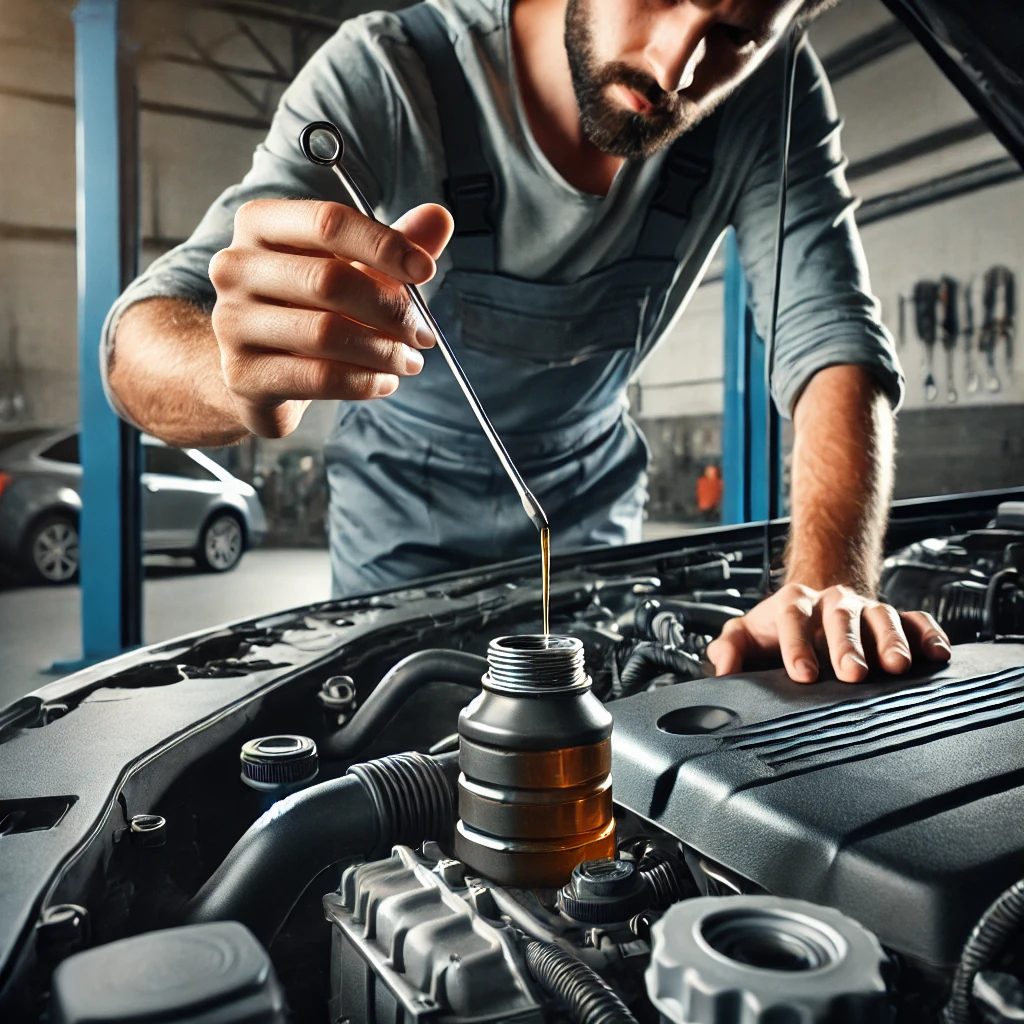
– **Engine oil & filter:** Change at recommended intervals.
– **Transmission fluid:** Especially important for automatic cars that see highway and hill driving.
– **Cooling system:** Ensure coolant is fresh; overheating under load can damage the engine.
– **Brakes:** Inspect pads, rotors, and fluid regularly.
– **Tires:** Maintain correct pressure and monitor tread depth.
These matters far more than whether or not you use cruise control.
—
## 📌 Quick Summary: Is Cruise Control Bad For Your Car?
Here’s the bottom line:
– **No, cruise control is not inherently bad for your car** when used properly.
– It can **improve comfort and fuel efficiency**, especially on long, flat highway drives.
– The main concerns are:
– **Safety in poor conditions** (rain, snow, ice, heavy traffic).
– **Over-reliance and reduced driver attention**.
– **Increased engine/transmission load on steep hills or when towing**.
### ✅ Use Cruise Control When:
– Roads are dry and straight.
– Traffic is light to moderate.
– You’re on the highway for long distances.
– You’re fully alert and paying attention.
### ❌ Avoid Cruise Control When:
– Roads are wet, icy, snowy, or slippery.
– Traffic is heavy or unpredictable.
– Driving in cities, on winding roads, or steep mountains.
– Towing a trailer (unless your manual explicitly approves it for certain conditions).
—
## Final Thoughts
Cruise control is a **helpful tool**, not a danger, and not a magic fuel-saving button. When used in the right conditions, it can:
– Make driving more comfortable
– Reduce fatigue
– Help improve fuel efficiency
– Put consistent, controlled load on your engine
The key is **knowing when to use it and when to turn it off.** Stay engaged, stay alert, and treat cruise control as an assistant—not a replacement—for careful, responsible driving.