
Table of Contents
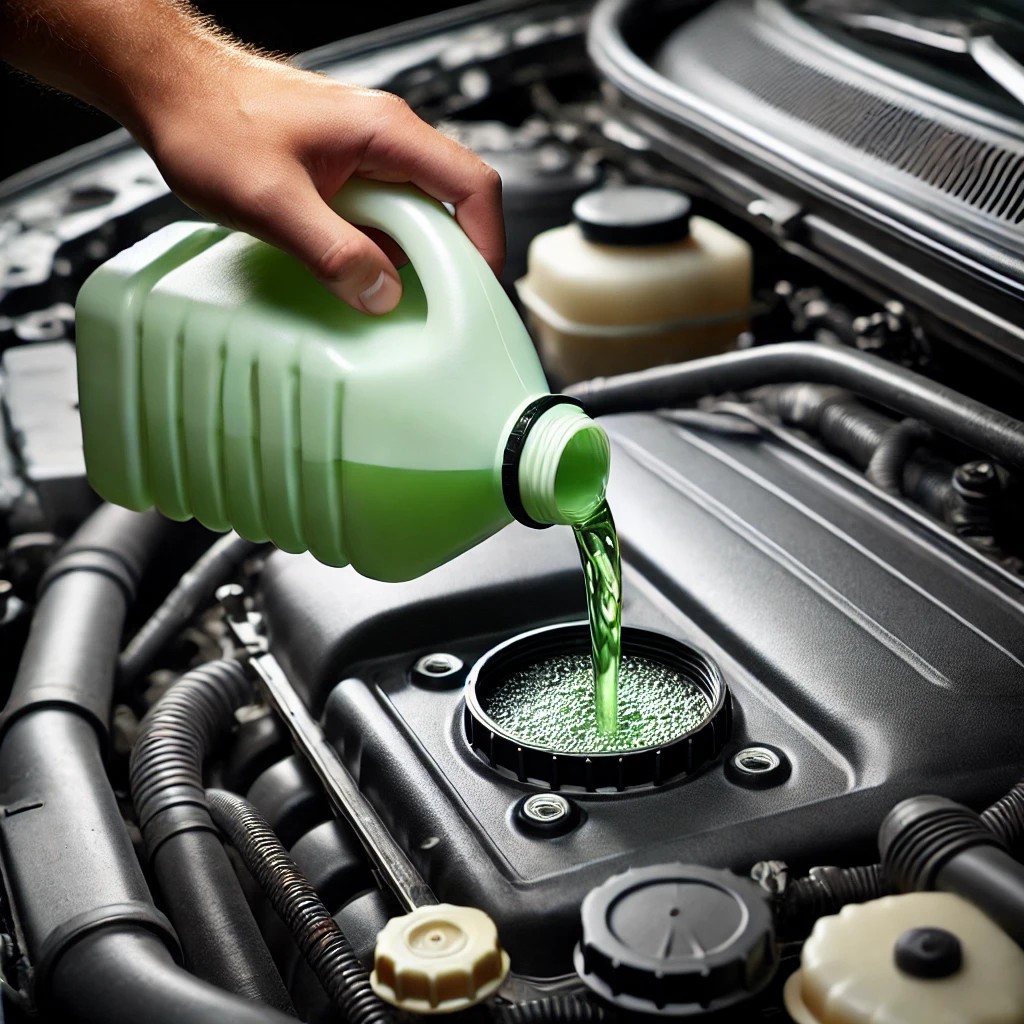
Radiator fluid, also known as coolant or antifreeze, is a crucial component in your vehicle’s cooling system. It helps regulate engine temperature, prevents overheating, and protects the engine from rust and corrosion. Without proper radiator fluid maintenance, your vehicle could suffer serious engine damage.
- Table of Contents
- What is Radiator Fluid?
- Why is Radiator Fluid Important?
- Types of Radiator Fluid
- 1. Inorganic Acid Technology (IAT) Coolant
- 2. Organic Acid Technology (OAT) Coolant
- 3. Hybrid Organic Acid Technology (HOAT) Coolant
- How Often Should You Change Radiator Fluid?
- Signs You Need a Radiator Fluid Change
- Best Radiator Fluid Brands & Prices
- 1. Prestone 50/50 Antifreeze Coolant
- 2. Zerex G05 Antifreeze Coolant
- 3. Peak Long-Life 50/50 Coolant
- 4. Valvoline Multi-Vehicle Antifreeze
- 5. Mopar Antifreeze Coolant
- 6. Honda Type 2 Coolant
- 7. Toyota Long Life Coolant
- 7. Change radiator fluid in 2013 ford escape
- How to Check & Replace Radiator Fluid
- Step 1: Check Coolant Levels
- Step 2: Drain Old Coolant
- Step 3: Refill with New Coolant
- Step 4: Bleed the System
- Frequently Asked Questions (FAQs)
- 1. Can I Mix Different Types of Coolants?
- 2. What Happens if I Use Water Instead of Coolant?
- 3. Is It Safe to Drive with Low Coolant?
- 4. Can I Change Coolant Myself?
- Final Thoughts
In this comprehensive guide, we’ll cover everything you need to know about radiator fluid, including types, benefits, replacement frequency, and prices of different brands.
What is Radiator Fluid?
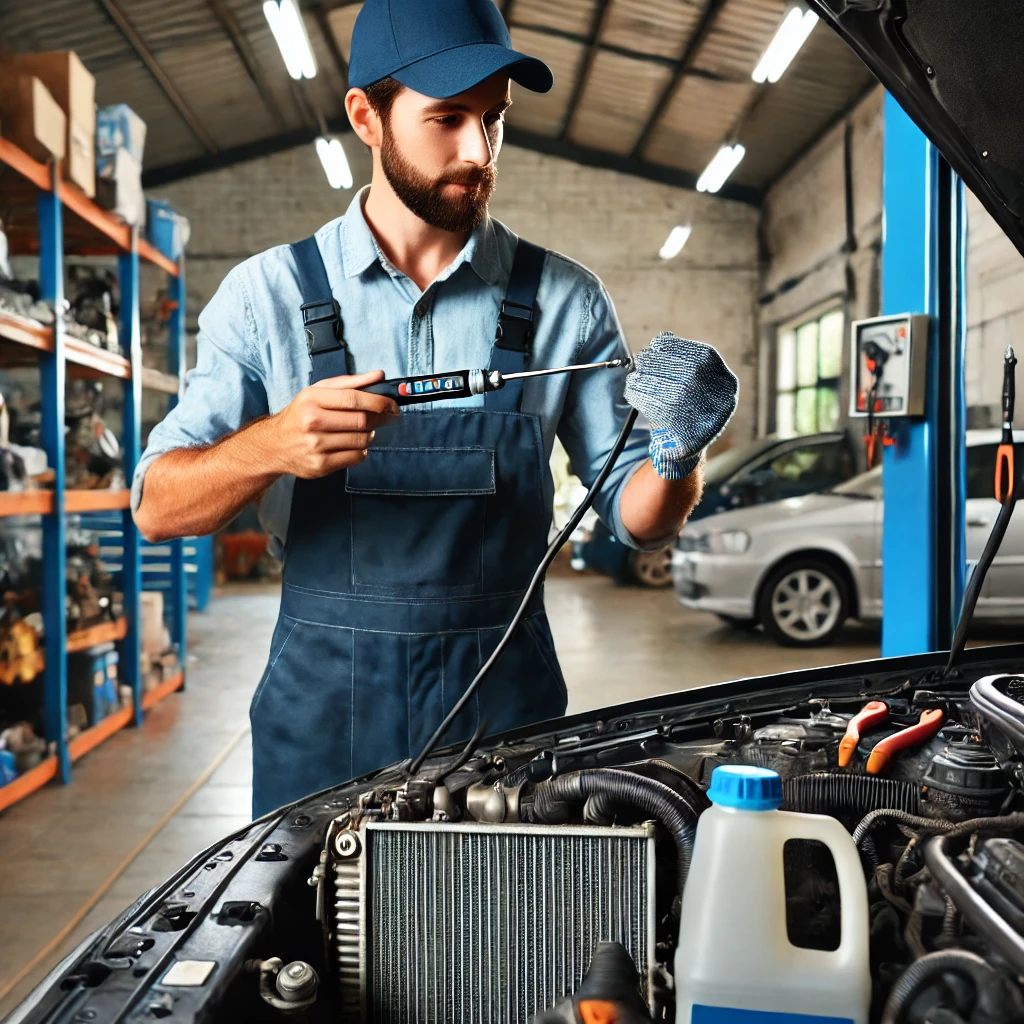
Radiator fluid is a liquid coolant that circulates through your vehicle’s cooling system. It absorbs excess heat from the engine and transfers it to the radiator, where it is cooled down before recirculating.
There are two main types of radiator fluids:
- Antifreeze Concentrate: Must be mixed with distilled water before use, usually in a 50/50 ratio.
- Pre-Mixed Coolant: Ready-to-use solution that contains both antifreeze and water in the correct ratio.
Why is Radiator Fluid Important?
Using the right radiator fluid is essential for maintaining engine health. Here are some key benefits:
- Prevents Overheating: Regulates engine temperature by dissipating heat.
- Prevents Freezing: Protects the engine from freezing in cold temperatures.
- Prevents Corrosion: Contains additives that protect metal components from rust.
- Extends Engine Life: Ensures efficient cooling system performance, reducing wear and tear.
Types of Radiator Fluid
Radiator fluids come in different formulations based on their chemical composition. Choosing the right type is crucial for vehicle performance.
1. Inorganic Acid Technology (IAT) Coolant
- Typically green in color
- Contains silicates and phosphates for corrosion protection
- Lasts around 30,000 miles or 2 years
2. Organic Acid Technology (OAT) Coolant
- Usually orange, red, blue, or pink
- Free from silicates and phosphates, using organic acids for corrosion protection
- Extended lifespan of 50,000 to 100,000 miles
3. Hybrid Organic Acid Technology (HOAT) Coolant
- Yellow, orange, or turquoise
- Combines the benefits of IAT and OAT coolants
- Lasts around 50,000 miles or 5 years
How Often Should You Change Radiator Fluid?
The frequency of radiator fluid changes depends on your vehicle type and the coolant used. As a general rule:
- IAT Coolant: Change every 30,000 miles or 2 years
- OAT Coolant: Change every 50,000 – 100,000 miles or 5 years
- HOAT Coolant: Change every 50,000 miles or 5 years
Always refer to your vehicle owner’s manual for manufacturer-specific recommendations.
Signs You Need a Radiator Fluid Change
If you notice any of these warning signs, it might be time to replace your radiator fluid:
- Engine overheating
- Discolored or rusty coolant
- Sweet smell inside the cabin (possible coolant leak)
- Low coolant levels
- Heater not working properly
Best Radiator Fluid Brands & Prices
Here are some of the top radiator fluid brands with their approximate prices:
1. Prestone 50/50 Antifreeze Coolant
- Price: $15 – $25 per gallon
- Type: Pre-mixed, OAT formula
- Features: Works for most vehicles, prevents corrosion
2. Zerex G05 Antifreeze Coolant
- Price: $20 – $30 per gallon
- Type: HOAT formula
- Features: Designed for European and American cars
3. Peak Long-Life 50/50 Coolant
- Price: $18 – $28 per gallon
- Type: OAT formula
- Features: Compatible with all vehicle makes and models
4. Valvoline Multi-Vehicle Antifreeze
- Price: $22 – $35 per gallon
- Type: Hybrid OAT formula
- Features: Suitable for modern engines, extended lifespan
5. Mopar Antifreeze Coolant
- Price: $30 – $50 per gallon
- Type: HOAT formula
- Features: Designed for Chrysler, Dodge, Jeep vehicles
6. Honda Type 2 Coolant
- Price: $25 – $40 per gallon
- Type: Pre-mixed OAT formula
- Features: OEM coolant for Honda and Acura vehicles
7. Toyota Long Life Coolant
- Price: $30 – $45 per gallon
- Type: OAT formula
- Features: Designed for Toyota and Lexus models
7. Change radiator fluid in 2013 ford escape
The cost to change the radiator fluid in a 2013 Ford Escape varies based on location and service provider. On average, you can expect to pay between $262 and $408 for this service
Labor costs typically range from $125 to $229, while parts are usually priced between $104 and $250. Dealerships may charge between $300 and $355, whereas independent service centers might offer the service for $262 to $308.
Please note that these estimates may vary depending on your specific location and any additional repairs that might be necessary. It’s advisable to consult with local service providers to obtain accurate quotes for your area.
How to Check & Replace Radiator Fluid
Checking and replacing radiator fluid is a simple maintenance task. Here’s how you can do it:
Step 1: Check Coolant Levels
- Ensure the engine is cool.
- Open the hood and locate the coolant reservoir.
- Check the fluid level against the “Full” and “Low” markings.
Step 2: Drain Old Coolant
- Place a drain pan under the radiator.
- Open the drain valve and let the coolant drain completely.
Step 3: Refill with New Coolant
- Use the correct coolant type.
- Pour coolant into the reservoir until it reaches the “Full” mark.
Step 4: Bleed the System
- Start the engine and let it run for a few minutes.
- Check for air bubbles and refill as necessary.
Frequently Asked Questions (FAQs)
1. Can I Mix Different Types of Coolants?
No, mixing different types of coolants can cause chemical reactions that may damage the cooling system.
2. What Happens if I Use Water Instead of Coolant?
Water alone doesn’t provide adequate corrosion protection and can freeze in cold temperatures.
3. Is It Safe to Drive with Low Coolant?
No, driving with low coolant can lead to engine overheating and severe damage.
4. Can I Change Coolant Myself?
Yes, if you follow the correct steps. However, if you’re unsure, it’s best to consult a professional mechanic.
Final Thoughts
Radiator fluid is essential for maintaining engine performance and longevity. Choosing the right coolant and maintaining regular fluid changes can prevent overheating, corrosion, and costly repairs. Whether you opt for a DIY replacement or visit a mechanic, using high-quality radiator fluid is a small investment that ensures your vehicle runs smoothly.
By understanding the different types of coolant, knowing when to change it, and selecting the best brands, you can keep your engine cool and efficient. 🚗💦