





Table of Contents
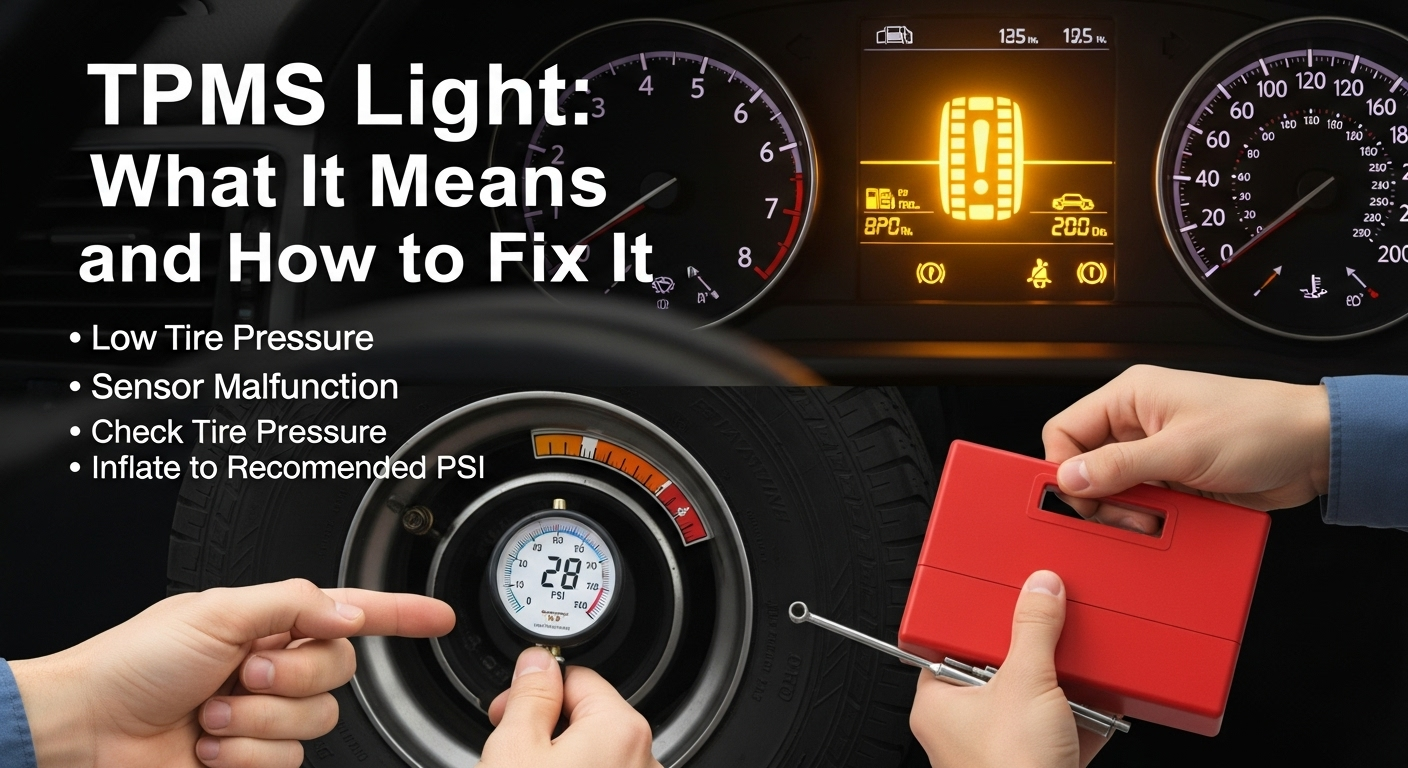
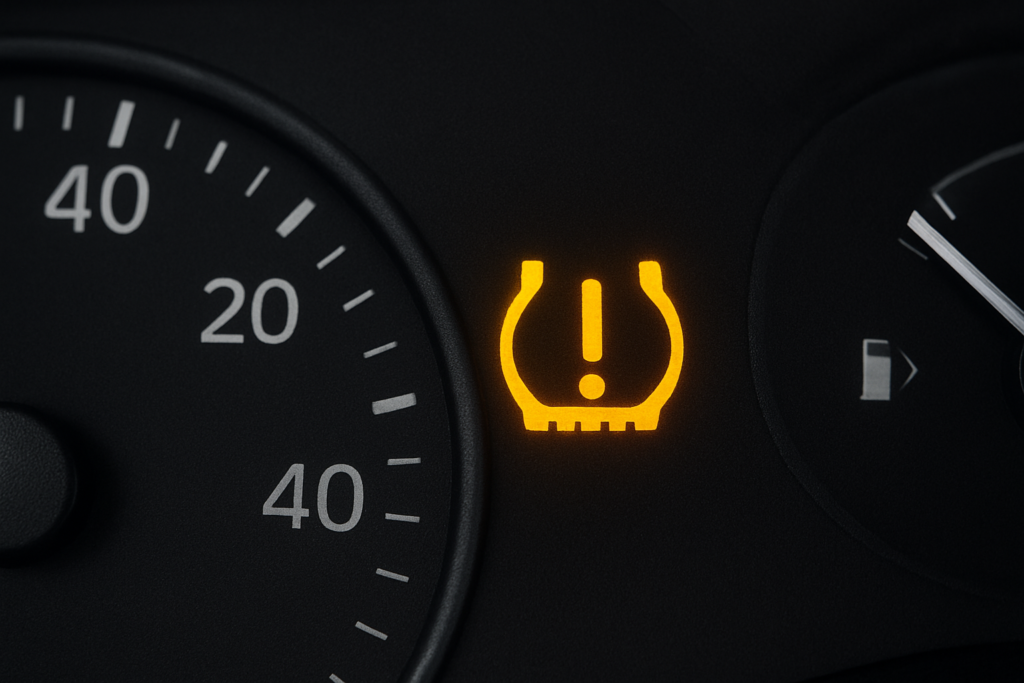
If you’re driving down the highway in the U.S. and suddenly notice a yellow horseshoe-shaped symbol with an exclamation point on your dashboard, you’re not alone. That light is your TPMS (Tire Pressure Monitoring System) warning light, and it’s more common than you might think. According to the National Highway Traffic Safety Administration (NHTSA), underinflated tires contribute to thousands of accidents every year in the United States. Understanding what this light means, why it comes on, and how to deal with it can save you money, improve fuel efficiency, and keep you safe on the road.
- Table of Contents
- What Is TPMS?
- Why Does the TPMS Light Come On?
- What To Do When the TPMS Light Comes On
- 1. Pull Over Safely and Inspect
- 2. Check Tire Pressure with a Gauge
- 3. Inflate Tires to Recommended Levels
- 4. Reset the TPMS (if needed)
- 5. Seek Professional Help
- Risks of Ignoring the TPMS Light
- TPMS and U.S. Regulations
- How to Prevent the TPMS Light from Coming On
- Cost of Fixing TPMS Issues
- Final Thoughts
In this guide, we’ll break down everything you need to know about the TPMS light, step by step.
What Is TPMS?
TPMS stands for Tire Pressure Monitoring System. It’s a built-in safety feature in most modern vehicles sold in the U.S. since 2008, following the TREAD Act passed by Congress. This system continuously monitors the air pressure in your tires and alerts you when one or more tires are underinflated.
There are two types of TPMS:
- Direct TPMS – Uses sensors inside each tire to measure actual air pressure.
- Indirect TPMS – Works through the ABS (Anti-lock Braking System) and wheel speed sensors, detecting pressure changes by comparing wheel rotations.
Regardless of the type, the purpose is the same: to let you know when your tire pressure is not within the manufacturer’s recommended range.
Why Does the TPMS Light Come On?
The TPMS light can turn on for several reasons, and not all of them are emergencies. Here are the most common causes:
- Low Tire Pressure: The most typical reason is that one or more tires have dropped below the recommended pressure, usually due to cold weather, a slow leak, or lack of regular maintenance.
- Sudden Temperature Changes: In many parts of the U.S., seasonal changes can trigger the light. For example, cold mornings can lower tire pressure enough to activate the TPMS.
- Tire Damage or Puncture: A nail or sharp object can slowly deflate your tire, triggering the warning.
- Faulty TPMS Sensor: Sensors have batteries that eventually wear out, often after 5–10 years. A failing sensor may cause the light to stay on even if your tires are fine.
- Recent Tire Change or Rotation: Sometimes, the system needs recalibration after maintenance.
What To Do When the TPMS Light Comes On
When you see that yellow warning light, don’t ignore it. Here’s a step-by-step approach:
1. Pull Over Safely and Inspect
If the light comes on while driving, safely pull over to a secure location. Visually check your tires for any obvious punctures, bulges, or flat spots.
2. Check Tire Pressure with a Gauge
Use a reliable tire pressure gauge to measure each tire’s pressure. Compare the readings with the recommended PSI (pounds per square inch) found in your vehicle’s owner’s manual or on the driver’s side door jamb.
3. Inflate Tires to Recommended Levels
If a tire is underinflated, add air at a nearby gas station or use a portable compressor. Make sure to inflate to the manufacturer’s specifications, not the maximum PSI written on the tire sidewall.
4. Reset the TPMS (if needed)
Some vehicles require you to manually reset the TPMS after correcting the tire pressure. This process varies by car make and model, so check your owner’s manual for instructions.
5. Seek Professional Help
If the light remains on despite proper inflation, visit a trusted mechanic or tire shop. They can scan the system for sensor issues or diagnose slow leaks.
Risks of Ignoring the TPMS Light
Driving with the TPMS light on isn’t just inconvenient—it can be dangerous. Here’s why:
- Reduced Safety: Underinflated tires increase the risk of blowouts, especially at highway speeds.
- Poor Fuel Economy: Low tire pressure increases rolling resistance, forcing your engine to work harder and burn more fuel.
- Uneven Tire Wear: Improper pressure causes tires to wear out prematurely, leading to costly replacements.
- Handling Issues: Vehicles with uneven tire pressure are harder to control, especially in rain or snow.
In short, ignoring the TPMS light can cost you more money in the long run while compromising your safety.
TPMS and U.S. Regulations
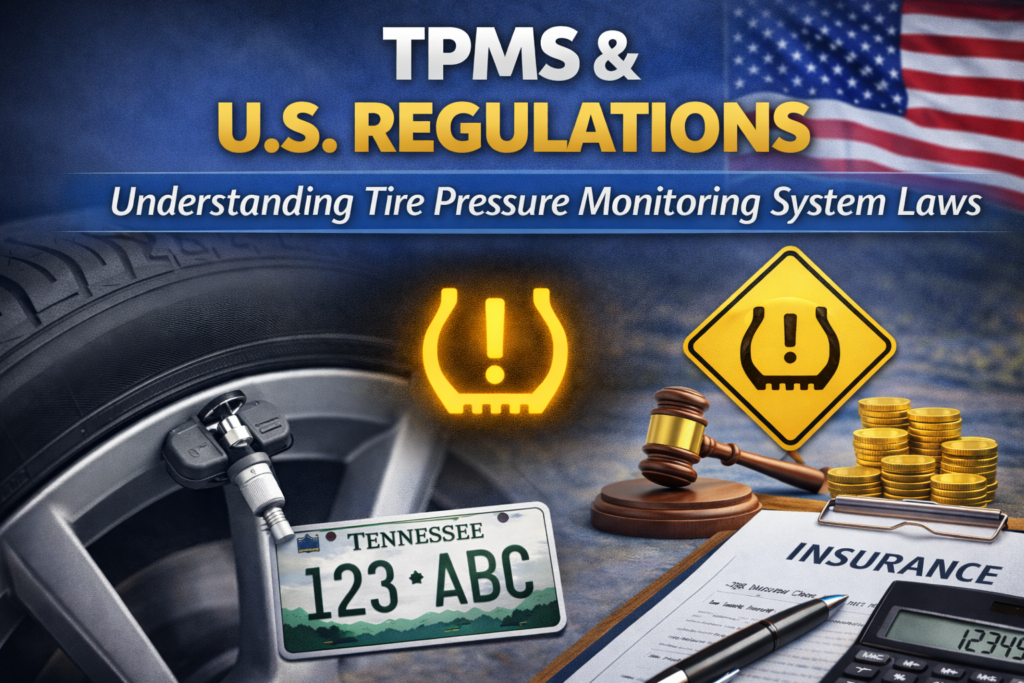
In the United States, TPMS is not optional—it’s required by law. Since September 1, 2007, all new passenger vehicles sold in the U.S. must be equipped with TPMS. This regulation came after studies showed that tire-related accidents could be significantly reduced if drivers were made aware of underinflated tires.
How to Prevent the TPMS Light from Coming On
Prevention is always better than cure. Here are some maintenance tips to keep the TPMS light off:
- Check Tire Pressure Monthly: Even with TPMS, you should manually check tire pressure at least once a month.
- Monitor Seasonal Changes: In colder states, check pressure more frequently during fall and winter.
- Rotate Tires Regularly: Follow your vehicle’s recommended tire rotation schedule.
- Service TPMS Sensors: Replace sensors when needed (usually every 5–10 years).
- Use Quality Tires: High-quality, properly sized tires hold pressure better and work more effectively with TPMS.
Cost of Fixing TPMS Issues
The cost to fix a TPMS-related issue in the U.S. varies:
- Reinflating Tires: Usually free or just a few dollars at a gas station.
- Tire Repair (Patch/Plug): $20–$40 on average.
- Replacing a TPMS Sensor: $50–$100 per sensor, plus labor.
- Full Diagnostic Service: $75–$150 at most tire shops or dealerships.
While these costs may seem inconvenient, they’re far less than the price of a new set of tires—or worse, an accident.
Final Thoughts
Your TPMS light is more than just a dashboard annoyance—it’s a vital safety feature designed to protect you and your passengers. For drivers across the United States, staying on top of tire pressure is one of the easiest and most cost-effective ways to ensure road safety, improve fuel economy, and extend the life of your tires.
So the next time your TPMS light flickers on, don’t ignore it. A quick check and a few minutes of maintenance can make all the difference between a safe drive and a dangerous situation.


Everyone loves what you guys are up too. This type of clever work and reporting! Keep up the very good works guys I’ve incorporated you guys to my personal blogroll.
Good way of describing, and pleasant article to get facts about my presentation subject, which i am going to deliver in institution of higher education.
I appreciate your piece of work, thanks for all the interesting posts.
Thanks for this rattling post, I am glad I observed this site on yahoo.
I like what you guys are up too. Such clever work and reporting! Carry on the superb works guys I have incorporated you guys to my blogroll. I think it’ll improve the value of my website 🙂
Saved as a favorite, I really like your blog!
I loved as much as you’ll receive carried out right here. The sketch is tasteful, your authored subject matter stylish. nonetheless, you command get bought an edginess over that you wish be delivering the following. unwell unquestionably come more formerly again since exactly the same nearly a lot often inside case you shield this hike.
Attractive component of content. I just stumbled upon your website and in accession capital to claim that I acquire in fact loved account your weblog posts. Any way I’ll be subscribing on your feeds or even I fulfillment you get entry to constantly quickly.
It’s a pity you don’t have a donate button! I’d without a doubt donate to this superb blog! I guess for now i’ll settle for bookmarking and adding your RSS feed to my Google account. I look forward to brand new updates and will share this site with my Facebook group. Talk soon!
Some really interesting details you have written.Assisted me a lot, just what I was looking for : D.
I do enjoy the way you have presented this problem and it does present us some fodder for thought. Nevertheless, coming from what precisely I have witnessed, I basically wish when other comments pile on that individuals continue to be on issue and not embark on a tirade regarding the news of the day. Still, thank you for this outstanding point and although I can not agree with this in totality, I value your perspective.
You can certainly see your enthusiasm in the paintings you write. The arena hopes for even more passionate writers such as you who are not afraid to say how they believe. At all times go after your heart.
The very crux of your writing while appearing agreeable in the beginning, did not work perfectly with me personally after some time. Somewhere throughout the sentences you managed to make me a believer but just for a short while. I however have got a problem with your jumps in assumptions and you would do well to help fill in all those breaks. In the event that you actually can accomplish that, I would undoubtedly end up being fascinated.
I adore reading through and I think this website got some genuinely utilitarian stuff on it! .
Just desire to say your article is as astounding. The clarity on your submit is simply cool and that i can think you’re a professional in this subject. Well along with your permission let me to seize your feed to stay up to date with imminent post. Thank you 1,000,000 and please carry on the gratifying work.
I’m curious to find out what blog platform you have been using? I’m experiencing some minor security problems with my latest blog and I’d like to find something more secure. Do you have any suggestions?
It’s a shame you don’t have a donate button! I’d certainly donate to this fantastic blog! I guess for now i’ll settle for book-marking and adding your RSS feed to my Google account. I look forward to fresh updates and will talk about this website with my Facebook group. Talk soon!
Hi there, You have done a fantastic job. I’ll certainly digg it and in my view recommend to my friends. I am confident they’ll be benefited from this web site.
I am not positive where you’re getting your info, however good topic. I needs to spend a while studying more or working out more. Thanks for wonderful info I used to be searching for this info for my mission.
I love it when people come together and share opinions, great blog, keep it up.
I was recommended this blog by my cousin. I’m now not positive whether this publish is written by him as no one else realize such special about my problem. You’re amazing! Thank you!
I appreciate, cause I found exactly what I was looking for. You’ve ended my four day long hunt! God Bless you man. Have a great day. Bye
I was just searching for this info for a while. After 6 hours of continuous Googleing, at last I got it in your web site. I wonder what is the lack of Google strategy that don’t rank this kind of informative web sites in top of the list. Usually the top sites are full of garbage.
I must express my admiration for your kindness for men and women who must have guidance on in this subject. Your personal commitment to passing the message all around came to be astonishingly significant and has regularly encouraged men and women much like me to realize their goals. Your entire interesting report signifies a whole lot a person like me and much more to my mates. Thanks a lot; from everyone of us.
Thanks for another fantastic post. The place else may just anybody get that kind of information in such a perfect means of writing? I’ve a presentation next week, and I’m at the search for such information.
Very interesting topic, appreciate it for posting. “The reason people sweat is so they won’t catch fire when making love.” by Don Rose.
I was wondering if you ever considered changing the page layout of your site? Its very well written; I love what youve got to say. But maybe you could a little more in the way of content so people could connect with it better. Youve got an awful lot of text for only having 1 or two pictures. Maybe you could space it out better?
certainly like your web-site but you need to take a look at the spelling on quite a few of your posts. Several of them are rife with spelling problems and I find it very troublesome to tell the reality on the other hand I’ll certainly come back again.
You got a very fantastic website, Gladiola I detected it through yahoo.
I like this weblog very much, Its a real nice berth to read and get info . “Do not use a cannon to kill a mosquito.” by Confucius.
you’re really a good webmaster. The web site loading speed is incredible. It seems that you’re doing any unique trick. Furthermore, The contents are masterpiece. you have done a fantastic job on this topic!
You really make it seem really easy together with your presentation however I to find this matter to be really one thing that I believe I’d never understand. It sort of feels too complex and very wide for me. I am taking a look ahead in your subsequent submit, I will try to get the hold of it!
Whats Taking place i’m new to this, I stumbled upon this I’ve found It positively helpful and it has aided me out loads. I am hoping to give a contribution & aid different customers like its aided me. Good job.
hello!,I love your writing so a lot! proportion we communicate extra approximately your article on AOL? I require an expert in this house to solve my problem. May be that is you! Looking ahead to look you.
I wish to express thanks to you just for rescuing me from this particular situation. After checking throughout the world wide web and obtaining recommendations which were not beneficial, I assumed my life was over. Living minus the approaches to the issues you’ve resolved by way of your good review is a serious case, as well as those which might have badly damaged my entire career if I had not come across your blog post. Your primary understanding and kindness in maneuvering all areas was useful. I’m not sure what I would have done if I hadn’t come across such a point like this. I’m able to at this moment look forward to my future. Thank you very much for the impressive and amazing guide. I will not be reluctant to refer your web page to any individual who should get recommendations on this problem.
I conceive other website proprietors should take this web site as an example , very clean and wonderful user friendly design.
I’ve recently started a website, the info you offer on this web site has helped me greatly. Thanks for all of your time & work.
Great line up. We will be linking to this great article on our site. Keep up the good writing.
Hello there! I know this is kinda off topic but I was wondering if you knew where I could get a captcha plugin for my comment form? I’m using the same blog platform as yours and I’m having problems finding one? Thanks a lot!
Absolutely composed articles, appreciate it for entropy. “In the fight between you and the world, back the world.” by Frank Zappa.
Hello, Neat post. There is a problem along with your site in internet explorer, might test this… IE still is the marketplace leader and a huge part of other people will omit your wonderful writing because of this problem.
Great post. I was checking continuously this weblog and I am inspired! Extremely helpful information specially the final phase 🙂 I take care of such information much. I was looking for this particular information for a long time. Thank you and best of luck.
great put up, very informative. I’m wondering why the opposite specialists of this sector don’t understand this. You must continue your writing. I’m confident, you have a great readers’ base already!
Admiring the persistence you put into your website and in depth information you present. It’s good to come across a blog every once in a while that isn’t the same out of date rehashed information. Wonderful read! I’ve bookmarked your site and I’m including your RSS feeds to my Google account.
This is a very good tips especially to those new to blogosphere, brief and accurate information… Thanks for sharing this one. A must read article.
Everything is very open and very clear explanation of issues. was truly information. Your website is very useful. Thanks for sharing.
Do you mind if I quote a couple of your posts as long as I provide credit and sources back to your website? My blog is in the very same niche as yours and my visitors would truly benefit from a lot of the information you provide here. Please let me know if this okay with you. Many thanks!
Really clear web site, thankyou for this post.
You are my breathing in, I own few web logs and often run out from to post : (.
Thanks , I’ve just been looking for information about this topic for ages and yours is the best I have discovered till now. But, what about the conclusion? Are you sure about the source?
You are my inhalation, I have few blogs and often run out from to post .
I am so happy to read this. This is the type of manual that needs to be given and not the accidental misinformation that’s at the other blogs. Appreciate your sharing this greatest doc.
The Pink Salt Trick is a minimalist but effective morning routine: Just drink a glass of lukewarm water mixed with a pinch of Himalayan pink salt as soon as you wake up.
Your style is so unique compared to many other people. Thank you for publishing when you have the opportunity,Guess I will just make this bookmarked.2
The Pink Salt Trick is a minimalist but effective morning routine: Just drink a glass of lukewarm water mixed with a pinch of Himalayan pink salt as soon as you wake up.
excellent post.Never knew this, appreciate it for letting me know.
I just could not depart your website prior to suggesting that I extremely enjoyed the standard information a person provide for your visitors? Is gonna be back often to check up on new posts
Hi my family member! I want to say that this post is awesome, great written and include almost all important infos. I?¦d like to look more posts like this .
Perfectly pent subject material, regards for selective information.
I intended to post you a very small word to thank you over again about the breathtaking solutions you’ve shown at this time. It’s so wonderfully generous with people like you in giving openly just what a lot of people would have offered as an ebook to end up making some dough for their own end, most importantly seeing that you might have done it if you ever wanted. Those smart ideas as well worked to become good way to be sure that the rest have the same passion just as mine to find out way more concerning this matter. Certainly there are lots of more enjoyable sessions in the future for individuals that view your site.
Hey, you used to write magnificent, but the last few posts have been kinda boringK I miss your tremendous writings. Past several posts are just a little bit out of track! come on!
Hello there, I discovered your web site by means of Google at the same time as searching for a similar matter, your website got here up, it appears to be like good. I have bookmarked it in my google bookmarks.
I don’t ordinarily comment but I gotta tell thanks for the post on this amazing one : D.