



bg
Onlymechanic
Sign In
Notification
General knowledge

Great Car Insurance For Young Drivers – Complete Guide, Costs & Best Options

General knowledge

Good To Go Car Insurance – Complete Guide, Costs & Best Options

General knowledge

Goauto Car Insurance – Complete Guide, Costs & Best Options

Go Auto Car Insurance – Complete Guide, Costs & Best Options

OnlymechanicOnlymechanic
Font ResizerAa
  • Car Reviews
  • General knowledge
  • Car audio and tech installations
  • Car Maintenance
  • Car Performance
  • Care & Accessories
Search
  • Car Reviews
    • luxury car
  • General knowledge
  • Car audio and tech installations
  • Car Maintenance
    • Engine and transmission troubleshooting
    • Brake system maintenance
    • Electrical and battery solutions
    • Routine servicing
  • Car Performance
    • Best aftermarket parts reviews
    • Exhaust and intake system upgrades
    • Suspension and handling improvements
    • Performance tuning and modifications
  • Care & Accessories
    • Safety and security enhancements
    • Detailing and cleaning tips
    • Interior and exterior accessories
Sign In Sign In
Follow US
Onlymechanic.com copyright 2026
Car audio and tech installations

Train Horn for Car: The Ultimate Guide to Loud and Powerful Horns

Mark Reynolds
Last updated: février 23, 2025 12:38 am
By
Mark Reynolds
8 Min Read
train horn
SHARE

Table of Contents

  • Introduction
  • What is a Train Horn for a Car?
  • Why Install a Train Horn on Your Car?
    • 1. Enhanced Safety
    • 2. Superior Sound
    • 3. Customization & Personalization
    • 4. Off-Road & Emergency Use
  • How Do Train Horns Work?
  • Choosing the Best Train Horn for Your Car
    • 1. Decibel Level
    • 2. Air Compressor Size
    • 3. Number of Trumpets
    • 4. Build Quality
    • 5. Installation Complexity
  • How to Install a Train Horn on Your Car
    • Tools & Materials Needed:
    • Step-by-Step Installation:
  • Is a Train Horn Legal?
  • Best Train Horn Brands
  • Maintenance Tips for Train Horns
  • Conclusion
    • Have you installed a train horn on your vehicle? Share your experience in the comments below!

Introduction

Are you looking to upgrade your car’s horn for something much louder and more attention-grabbing? A train horn for a car is a powerful addition that enhances safety, ensures you’re heard in heavy traffic, and even adds a fun, customized touch to your vehicle. Whether you’re a truck enthusiast, off-road driver, or just want a robust horn, this guide will help you understand everything you need to know about train horns for cars.

Contents
  • Table of Contents
  • Introduction
  • What is a Train Horn for a Car?
  • Why Install a Train Horn on Your Car?
    • 1. Enhanced Safety
    • 2. Superior Sound
    • 3. Customization & Personalization
    • 4. Off-Road & Emergency Use
  • How Do Train Horns Work?
  • Choosing the Best Train Horn for Your Car
    • 1. Decibel Level
    • 2. Air Compressor Size
    • 3. Number of Trumpets
    • 4. Build Quality
    • 5. Installation Complexity
  • How to Install a Train Horn on Your Car
    • Tools & Materials Needed:
    • Step-by-Step Installation:
  • Is a Train Horn Legal?
  • Best Train Horn Brands
  • Maintenance Tips for Train Horns
  • Conclusion
    • Have you installed a train horn on your vehicle? Share your experience in the comments below!

What is a Train Horn for a Car?

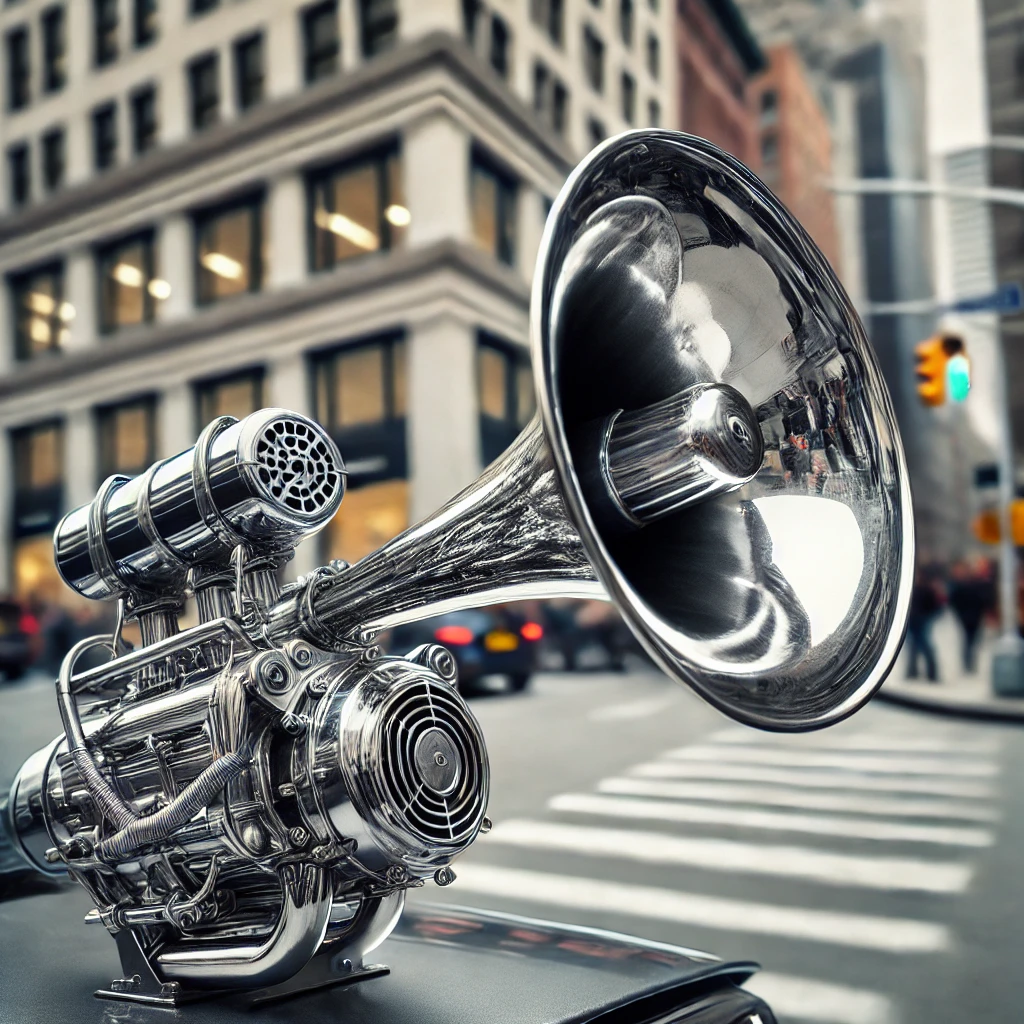
A train horn is a high-decibel, air-powered horn originally designed for locomotives. Unlike standard car horns, which typically operate between 100-110 decibels (dB), train horns can exceed 150 dB, making them one of the loudest aftermarket car accessories available. They are powered by an air compressor and are designed to deliver an unmistakable sound that commands attention.

Why Install a Train Horn on Your Car?

1. Enhanced Safety

One of the most significant benefits of installing a train horn is improved road safety. If you drive in areas with high traffic congestion or where drivers tend to be inattentive, a powerful horn can help prevent accidents.

2. Superior Sound

Standard car horns are often too weak to cut through highway noise, especially for truck drivers or those driving large vehicles. A train horn ensures you’re heard in any situation.

3. Customization & Personalization

Car enthusiasts often install train horns for a unique, bold statement. Whether you want your vehicle to stand out or add a touch of personality, a train horn is an excellent way to do so.

4. Off-Road & Emergency Use

For those who drive off-road, through remote areas, or need a horn for emergency situations, a train horn offers the loudness needed to signal for help effectively.

How Do Train Horns Work?

Train horns require an air compressor system to function. Unlike stock car horns that rely on an electrical system, train horns depend on compressed air to generate their deep, loud sound. Here’s a basic breakdown of how they work:

  1. Air Compressor – Compresses air and stores it in a tank.
  2. Air Tank – Holds compressed air, ready for release.
  3. Solenoid Valve – Releases air when you press the horn button.
  4. Horn Trumpets – Convert the released air into a loud, resonating sound.

Choosing the Best Train Horn for Your Car

When selecting a train horn for your car, consider the following factors:

1. Decibel Level

Choose a horn with at least 140-150 dB for a strong impact. Anything above 150 dB is considered extremely loud and should be used responsibly.

2. Air Compressor Size

A larger air compressor provides longer horn blasts. If you need frequent, sustained honking, opt for a 3-gallon or larger air tank.

3. Number of Trumpets

Train horns come with different numbers of trumpets. More trumpets typically mean a richer and deeper sound. Three- to five-trumpet setups offer the most authentic train horn effect.

4. Build Quality

Look for train horns made from stainless steel or reinforced ABS plastic to ensure durability and resistance to weather conditions.

5. Installation Complexity

Some train horns require professional installation, while others come as DIY kits. If you’re comfortable with mechanical and electrical work, a train horn kit with a detailed manual will be ideal.

How to Install a Train Horn on Your Car

Tools & Materials Needed:

  • Train horn kit
  • Wrenches and sockets
  • Drill and mounting brackets
  • Wiring harness
  • Air hose
  • Power source (12V battery)

Step-by-Step Installation:

  1. Choose a Mounting Location – The horn should be securely mounted under the vehicle, in the engine bay, or on the roof (for trucks).
  2. Install the Air Compressor & Tank – Mount the air compressor and tank in a stable, ventilated location (such as the trunk or bed of a truck).
  3. Connect the Air Hose – Run the air hose from the tank to the train horn trumpets.
  4. Wire the System – Connect the solenoid valve to a 12V power source and integrate it with your vehicle’s horn button.
  5. Test the System – Power on your vehicle, press the horn button, and adjust settings as needed.

Is a Train Horn Legal?

Before installing a train horn, it’s essential to check local laws and regulations regarding noise levels. In many areas, excessively loud horns are restricted for non-commercial vehicles, and unauthorized use may lead to fines. Always use train horns responsibly to avoid unnecessary disturbances.

Best Train Horn Brands

Here are some top-rated train horn brands known for quality and durability:

  • HornBlasters – High-end train horn kits with premium build quality.
  • Vixen Horns – Affordable and durable options for different vehicles.
  • Zento Deals – Budget-friendly train horn solutions.
  • Kleinn Air Horns – Heavy-duty options for trucks and off-road vehicles.

Maintenance Tips for Train Horns

  • Regularly Check Air Compressor – Ensure the air compressor is functioning properly and there are no leaks.
  • Clean the Trumpets – Dirt and debris can affect sound quality.
  • Inspect Wiring – Loose or damaged wires can prevent proper operation.
  • Drain Air Tank – Prevent moisture buildup that could lead to rust or performance issues.

Conclusion

A train horn for your car is a game-changer, offering unparalleled sound, improved safety, and a unique custom touch. Whether you’re using it for practical purposes or just for fun, selecting the right horn, installing it correctly, and maintaining it properly will ensure long-lasting performance. Just remember to check your local regulations and use your horn responsibly!

Have you installed a train horn on your vehicle? Share your experience in the comments below!

Join Our Newsletter
Subscribe to our newsletter to get our newest articles instantly!
TAGGED:Train Horn for Car: The Ultimate Guide to Loud and Powerful Horns
Share This Article
Facebook Email Copy Link
Aucun commentaire Aucun commentaire

Laisser un commentaire Annuler la réponse

Votre adresse e-mail ne sera pas publiée. Les champs obligatoires sont indiqués avec *

You Might Also Like

Rear Cross Traffic Alert: How It Prevents Parking Accidents

By
Mark Reynolds
janvier 15, 2026

Electric Power Steering Explained: Advantages

By
Mark Reynolds
janvier 15, 2026
White Smoke From Exhaust: Causes, Meaning, and How to Fix It White smoke coming from your car’s exhaust can be alarming, especially if you’re not sure what it means. While some exhaust smoke is normal under certain conditions, persistent white smoke from exhaust is often a warning sign of an underlying mechanical issue that should not be ignored. In this in-depth guide, we’ll explain what white smoke from exhaust means, the most common causes, how to diagnose the problem, and practical solutions to fix it. Whether you’re a car owner, mechanic, or auto enthusiast, this article will help you understand the issue clearly and take the right action. What Is White Smoke From Exhaust? White smoke from exhaust refers to visible white or milky-colored vapor emitted from a vehicle’s tailpipe. Unlike light condensation vapor that disappears quickly, problematic white smoke is thick, continuous, and often accompanied by a sweet smell. Understanding the difference between normal exhaust vapor and abnormal white smoke is the first step in diagnosing the issue. Is White Smoke From Exhaust Always a Problem? Not always. In some cases, white smoke from exhaust is completely normal. Normal White Smoke (Condensation) Appears during cold starts Disappears after the engine warms up Caused by moisture in the exhaust system No coolant loss or engine performance issues Abnormal White Smoke Thick and persistent Continues even after warm-up Often smells sweet May indicate coolant or water entering the combustion chamber If white smoke from exhaust does not go away, it usually means something is wrong. Common Causes of White Smoke From Exhaust 1. Condensation in Cold Weather (Harmless) In cold or humid climates, water vapor naturally forms inside the exhaust system. When the engine starts, this moisture evaporates, producing white smoke. Key signs: Only appears during startup Disappears within minutes No engine warning lights ✅ No repair needed 2. Coolant Leak Into the Combustion Chamber One of the most serious causes of white smoke from exhaust is coolant leaking into the engine cylinders. This happens when: A head gasket fails The cylinder head cracks The engine block is damaged Coolant burns along with fuel, producing thick white smoke. Symptoms include: Sweet-smelling exhaust Overheating engine Low coolant levels Milky oil on dipstick ⚠️ This issue requires immediate attention 3. Blown Head Gasket A blown head gasket is the most common reason for persistent white smoke from exhaust. The head gasket seals: The engine block Cylinder head Coolant and oil passages When it fails, coolant enters the combustion chamber and burns. Warning signs: Continuous white smoke Engine overheating Poor performance Coolant loss with no visible leaks 💰 Repair cost: High, but delaying repairs can destroy the engine. 4. Cracked Cylinder Head or Engine Block Extreme overheating or manufacturing defects can cause cracks in the cylinder head or block. This allows coolant to seep into cylinders, resulting in white smoke from exhaust. Symptoms: Heavy white smoke Misfiring engine Rapid coolant loss Engine knocking 🔧 Often requires engine rebuild or replacement 5. Faulty Fuel Injector (Diesel Engines) In diesel engines, white smoke from exhaust may be caused by: Unburned fuel Faulty injectors Incorrect injection timing This type of smoke may appear white or gray and smell strongly of diesel. Common in: Cold diesel starts Engines with injector problems 6. Water in Fuel System Water contamination in fuel can also produce white smoke from exhaust. Causes include: Bad fuel quality Condensation in fuel tank Poor storage conditions Fix: Drain contaminated fuel and replace fuel filter. White Smoke From Exhaust at Startup vs While Driving White Smoke at Startup Only Usually condensation Normal in cold weather Disappears quickly White Smoke While Driving Indicates coolant or fuel issue Not normal Needs inspection What Does White Smoke From Exhaust Smell Like? Smell can help diagnose the issue: Smell Likely Cause Sweet Burning coolant Fuel odor Unburned fuel No smell Condensation A sweet smell combined with white smoke is a strong sign of coolant burning. How to Diagnose White Smoke From Exhaust Step 1: Check Coolant Level Look for unexplained coolant loss Inspect reservoir and radiator Step 2: Inspect Engine Oil Milky or frothy oil indicates coolant contamination Step 3: Observe Smoke Behavior When does it appear? Does it disappear after warm-up? Step 4: Check for Overheating Monitor temperature gauge Overheating often accompanies head gasket failure Step 5: Use Diagnostic Tools Compression test Leak-down test Cooling system pressure test 🔍 Professional diagnosis is highly recommended. How to Fix White Smoke From Exhaust Fix 1: Let Engine Warm Up (If Condensation) If the white smoke disappears after a few minutes, no repair is needed. Fix 2: Replace Head Gasket If a blown head gasket is confirmed: Engine disassembly required Gasket replacement Cylinder head inspection ⏱️ Time: 1–3 days 💰 Cost: Moderate to high Fix 3: Repair or Replace Cylinder Head Cracks or warping may require: Machining Welding Replacement Fix 4: Replace Faulty Injectors (Diesel) Clean or replace injectors Adjust timing Fix 5: Flush Fuel System Drain contaminated fuel Replace fuel filter Can You Drive With White Smoke From Exhaust? 🚫 Driving is NOT recommended if: Smoke is thick and persistent Engine overheats Coolant level drops rapidly Driving under these conditions can cause catastrophic engine failure. Preventing White Smoke From Exhaust Maintenance Tips: Regular coolant checks Avoid engine overheating Change oil on time Use high-quality fuel Service injectors regularly Preventive maintenance is far cheaper than engine repairs. White Smoke vs Blue Smoke vs Black Smoke Smoke Color Meaning White Coolant or condensation Blue Burning oil Black Excess fuel Understanding smoke color helps identify engine problems quickly. Frequently Asked Questions (FAQ) Is white smoke from exhaust dangerous? Yes, if it’s continuous. It may indicate serious engine damage. Can white smoke go away on its own? Only if it’s caused by condensation. Mechanical issues will worsen over time. How much does it cost to fix white smoke from exhaust? Costs range from free (condensation) to thousands of dollars for engine repairs. Does white smoke always mean a blown head gasket? No, but it’s one of the most common causes.
Exhaust and intake system upgrades

White Smoke From Exhaust: Causes, Meaning, and How to Fix It

By
Mark Reynolds
février 3, 2026

Adaptive Cruise Control Explained: How It Works & Benefits

By
Mark Reynolds
janvier 15, 2026
Car audio and tech installations

How Much to Repair Air Conditioner in Car : Complete Cost Guide for 2026

By
Mark Reynolds
janvier 4, 2026

Night Vision Assist in Cars: How It Improves Visibility

By
Mark Reynolds
janvier 15, 2026

Foxiz Car

  • About Us
  • Support
  • Accessories
  • Performance and Tuning
  • Repairs & Maintenance
  • General Car Discussion
  • Member Programs
  • Customer
  • For Media
  • Contact Us
  • Reviews
Made by ThemeRuby using the Foxiz theme. Powered by WordPress
Don't not sell my personal information
Welcome Back!

Sign in to your account

Username or Email Address
Password

Lost your password?