




# White Smoke from Exhaust: Complete Guide, Causes & Fixes
White smoke from exhaust can be alarming. In this complete guide, you’ll learn what it means, the most common causes, how to identify the problem, a step-by-step troubleshooting plan, cost estimates, and preventive tips. This article is written for car owners and DIY mechanics who want clear, practical guidance using everyday terms and U.S.-centric context.
White smoke from exhaust is a signal that something isn’t quite right under the hood. While a quick puff of harmless steam on a cold morning isn’t unusual, persistent white smoke, especially accompanied by coolant loss or overheating, usually points to a cooling system or engine problem. Read on to understand the difference, how to diagnose it, and what to expect for repairs.
## What it is / explanation
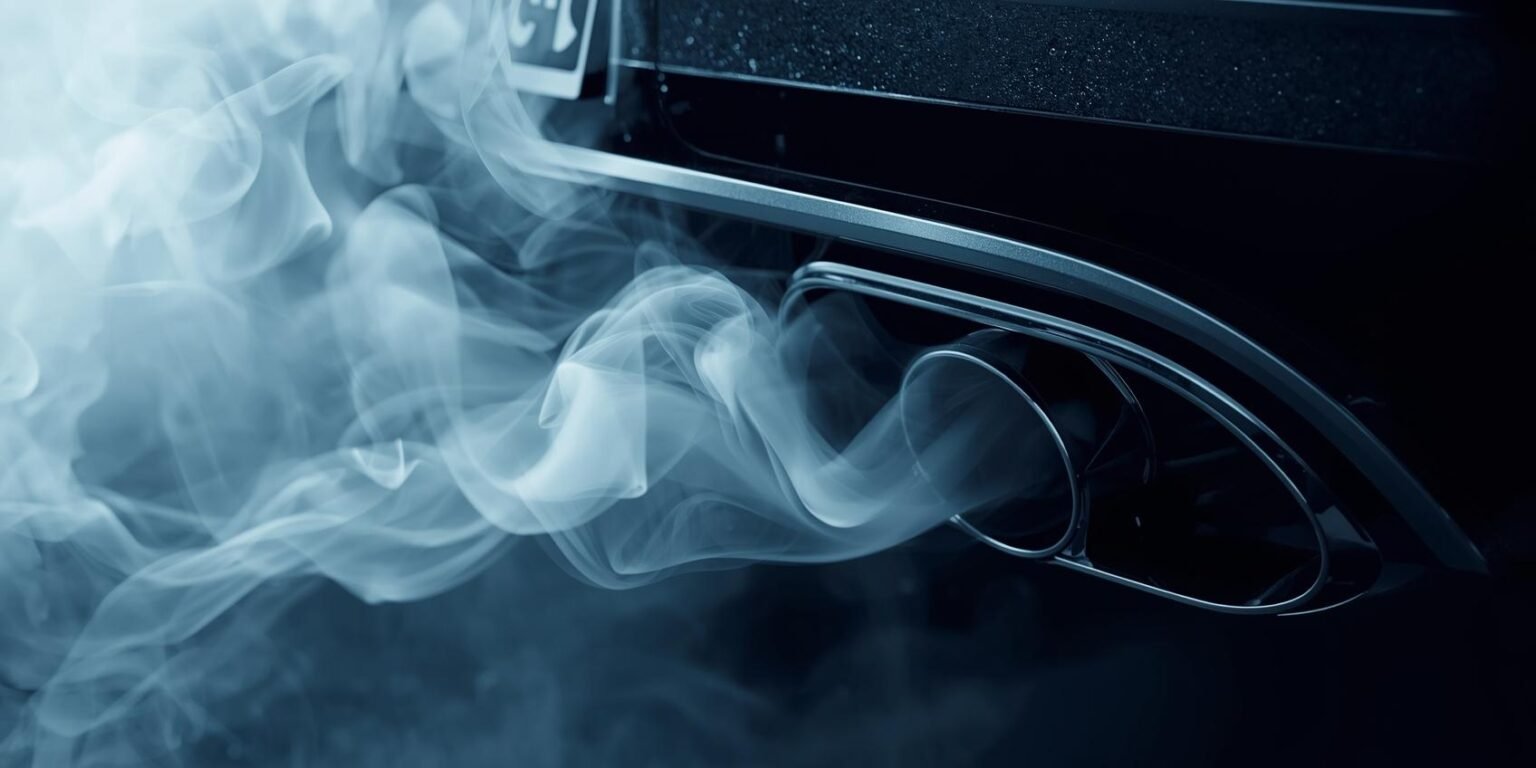
White smoke from exhaust is primarily water vapor. When the engine burns coolant or experiences a rapid release of moisture, steam may exit the exhaust as white smoke. In many cases, a short-lived plume on startup is just condensation that will disappear after the exhaust system warms up. However, persistent white smoke that continues after the engine reaches operating temperature often indicates a coolant leak into the combustion chamber or another serious issue such as a head gasket failure, a cracked cylinder head, or a coolant passage leak.
Key distinctions to keep in mind:
– Normal condensation: A brief white or gray plume when starting a cold engine, usually dissipating within a minute or two.
– Persistent white smoke with sweet odor and coolant loss: Often a sign of coolant entering the combustion process (bad head gasket, cracked head, intake or EGR cooler leak).
– White/blue smoke with a strong oil smell: Typically oil burning, not coolant. That’s a different problem and usually requires different fixes.
Understanding these differences helps you decide whether this is a quick DIY fix or a job for a shop.
## Common causes
Here are the most frequent culprits behind white smoke from exhaust. The list is ordered from the least to most serious and from easier to harder to fix.
– Condensation on startup (normal)
– Cold weather or a short drive can leave a brief white plume.
– Usually harmless and goes away once the exhaust is warmed up.
– Coolant leaking into the combustion chamber
– Head gasket failure: A blown gasket lets coolant seep into cylinders.
– Cracked cylinder head or engine block: More severe damage but sometimes repairable.
– Intake manifold gasket or coolant passages: Some engines leak coolant into the intake or exhaust path.
– Turbo or intercooler leaks (turbocharged engines)
– A failing turbo seal or EGR cooler leak can push coolant into the exhaust, causing white smoke.
– EGR cooler leaks (diesel engines more commonly)
– Leaks coolant into the exhaust tract, producing white smoke and a sweet coolant odor.
– Overheating or missed maintenance
– Prolonged overheating can warp components and cause coolant intrusion into combustion.
– Coolant system issues
– Low coolant level and air pockets in the system can cause steam formation and white smoke until the system is bled and topped off.
– Other rare causes
– A faulty PCV system that routes oil or coolant into the intake can also contribute to unusual exhaust plumes; this is less common for white smoke but can occur in some configurations.
If you’re unsure whether what you’re seeing is condensation or a real issue, treat it as a potential problem and start diagnostics.
## Symptoms / how to identify the problem
Not all white smoke means the same thing. Look for a combination of signs to identify the root cause:
– Color and appearance
– Pure white smoke that sticks around after warm-up points to coolant-related issues.
– A white or gray fog with a sweet smell suggests coolant burning.
– Smell
– Sweet, candy-like odor indicates coolant (ethylene glycol) burning.
– No sweet odor but a heavy vapor might be just condensation.
– Engine temperature
– Overheating or rising coolant temperature gauge suggests a cooling-system problem.
– Coolant and oil indicators
– Constant coolant loss without visible leaks.
– Milky, frothy oil on the dipstick or under the oil fill cap indicates coolant in the oil.
– Exhaust and performance
– White smoke during startup that clears within minutes is often condensation.
– White smoke that persists during idle or acceleration, especially with performance changes, is more serious.
– Other checks
– Bubbling in the radiator or expansion tank.
– Bubbles in the coolant reservoir when the engine is running.
– Loss of compression in one or more cylinders on a compression test.
– Visible coolant in the exhaust pipe or tailpipe residue.
If you notice any of the persistent symptoms, it’s wise to perform a targeted diagnostic test or visit a mechanic for a proper evaluation.
## Step-by-step troubleshooting guide
Follow these steps to diagnose white smoke from exhaust. Use the bullets as a practical checklist.
– Safety first
– Ensure the engine is cool before touching anything.
– If you notice severe overheating, avoid driving the car and have it towed if needed.
– Confirm whether the plume is condensation or a problem
– Start the engine from cold and observe for 60–120 seconds. If the smoke dissipates quickly, it’s likely condensation.
– If it remains or you detect a sweet coolant odor, proceed with deeper checks.
– Check the coolant and oil
– Inspect the coolant level in the reservoir and radiator (when cool).
– Check the oil dipstick and oil on the dipstick; milky or frothy oil indicates coolant intrusion.
– Look for leakage signs
– Inspect hoses, radiator, and the engine bay for coolant leaks.
– Look for white steam or coolant residue near the engine head, gasket area, or EGR cooler.
– Perform a cooling-system pressure test
– A pressure test helps identify leaks in the radiator, hoses, heater core, and head gasket passages.
– If the pressure drops without visible leaks, a head gasket or engine block issue may be present.
– Do a compression test or leak-down test
– Low compression in one or more cylinders supports a head gasket or cylinder seal problem.
– A professional tester can help you interpret results and locate the leak.
– Check for coolant in the exhaust (block test)
– A chemical test (block test) detects exhaust gases in the cooling system, indicating head-gasket problems.
– Inspect turbo and EGR cooling paths (for turbo cars)
– Look for signs of coolant in the turbo oil lines or EGR cooler; a leak could explain white smoke.
– Consider professional evaluation for complex cases
– If you suspect a cracked head, warped head, or engine block, stop driving and seek professional help.
Note: Some checks require specialized tools. If you’re not comfortable with performing these tests, it’s safer to schedule a diagnostic with a qualified mechanic.
## When repair is possible vs when to visit a mechanic
– DIY-friendly checks (often low-cost)
– PCV valve inspection or replacement
– Radiator cap replacement
– Coolant flush and refill with correct mixture
– Bleeding the cooling system to remove air pockets
– Basic hose and clamp tightening for small leaks
– Requires a mechanic (higher risk or major repairs)
– Head gasket replacement
– Engine block or cylinder head crack repair
– Turbocharger or EGR cooler replacement
– Comprehensive cooling-system repair with machining (valve work, gasket resurfacing)
– Any repair that involves disassembling the engine or significant torque specs
– When to seek urgent help
– Persistent overheating
– White smoke with sweet odor plus coolant loss
– Blue or black smoke appears with white smoke
– Water in oil or milky oil on the dipstick
If you’re unsure about the cause or the risk to the engine, prioritize a professional diagnostic. It’s cheaper than pushing a failing engine to its limit and risking catastrophic damage.
## Repair/Replacement Cost Estimates (USD)
Costs vary widely by vehicle type, labor rates, and the shop you choose. Here are approximate ranges to help you budget.
– Do-it-yourself fixes (low-cost, if you have the tools)
– PCV valve replacement: $30–$100 (parts) + your time
– Radiator cap replacement: $10–$50
– Coolant flush and refill: $60–$180 (labor often included in a basic service)
– Minor mechanical checks
– Cooling-system pressure test: $60–$120
– Compression or leak-down test: $100–$200
– Moderate repairs (more expensive, typically shop service)
– Head gasket replacement (labor-heavy, plus parts): $1,200–$3,000 (smaller, common engines); some cars push higher
– Cylinder head resurfacing or machining: $300–$1,000 (plus gasket set)
– Intake manifold gasket replacement (if coolant path involved): $400–$900
– Turbocharger servicing or replacement (diesel or turbo models): $800–$2,500 (turbo kit and labor)
– EGR cooler replacement (diesel, common cause): $500–$1,500
– Major repairs (high-cost repairs)
– Engine block crack repair or replacement: $2,500–$6,000+ (engine replacement can be even higher)
– Complete engine replacement (for severe damage): $4,000–$12,000+ depending on engine type and labor
These ranges give a rough idea. Your actual cost will depend on engine type (inline-4 vs V6/V8, turbocharged vs naturally aspirated), vehicle age, location, and labor rates. In the U.S., labor rates typically range from about $75 to $150+ per hour, with some specialty shops charging more.
## Preventive tips
Preventing white smoke from exhaust or catching problems early is cheaper and easier than repairing big failures. Try these practices:
– Maintain the cooling system
– Regular coolant flush intervals as per your vehicle’s schedule.
– Check coolant level and condition monthly; address leaks early.
– Use the manufacturer-recommended coolant type and mix ratio.
– Monitor oil health
– Change oil and replace filters on schedule.
– Be alert for milky oil indicating coolant in the oil.
– Keep the PCV system in good shape
– Inspect and replace a clogged PCV valve as needed.
– Check PCV hoses for cracks or disconnections.
– Check for overheating and catch problems early
– If the temperature gauge climbs, stop and diagnose rather than pushing the car.
– Inspect turbo or EGR cooling paths (for turbocharged and diesel engines)
– Watch for oil or coolant leaks in turbo lines.
– Inspect EGR cooler integrity if you have a turbo or diesel engine.
– Regular diagnostic checks
– When you notice any abnormal exhaust behavior, run a quick diagnostic to catch problems before they escalate.
These preventive steps help keep your engine healthy and reduce the chances of a costly fix later.
## FAQs
1) What does white smoke from exhaust usually mean?
– It often indicates coolant or water vapor being burned in the engine. If it’s persistent and accompanied by a coolant odor, it could point to a head gasket failure, cracked head or block, or an EGR/turbo coolant leak.
2) Can I drive my car if I see white smoke?
– If it’s a brief startup plume, it’s typically okay to drive short distances. If the white smoke persists, if the engine is overheating, or you notice coolant loss, stop driving and have it inspected.
3) How can I test if a head gasket is the problem?
– A cooling-system pressure test and a compression test are good starting points. A block test (chemical test) can detect combustion gases in the cooling system. In many cases, professional diagnosis is required to confirm a head gasket issue.
4) Is white smoke the same on diesel engines?
– Diesel engines can also produce white smoke from coolant leaks, but they may have different contributing factors. A persistent white plume on a diesel often points to a coolant leak into the combustion path or a faulty EGR cooler.
5) Is white smoke dangerous?
– If it’s just condensation, not dangerous. If it’s caused by coolant leaks into the engine, it can lead to overheating and serious engine damage if left unaddressed. Treat persistent white smoke as a potential warning and seek diagnosis.
## Conclusion + CTA
White smoke from exhaust is not always catastrophic, but it is never something to ignore. Start with a careful check of condensation vs a real coolant or engine issue, then move through the troubleshooting steps to narrow down the cause. Quick, affordable fixes exist for simple causes, while more complex problems like a blown head gasket or turbo/EGR cooler leak will require professional service. With a clear plan, you can protect your engine, avoid costly repairs, and keep your car running reliably.
Have car problems? Ask in the comments and I’ll help!