
Table of Contents
Your car’s dashboard is like a communication hub, alerting you to potential issues with your vehicle. One of the most common warning lights drivers encounter is the ABS light. When this light illuminates, it can be confusing and concerning. What does it mean? Is it safe to drive? How much will it cost to fix? In this comprehensive guide, we’ll answer all your questions about the ABS light, including what causes it to turn on, how to diagnose the issue, and the costs associated with repairs across various brands.
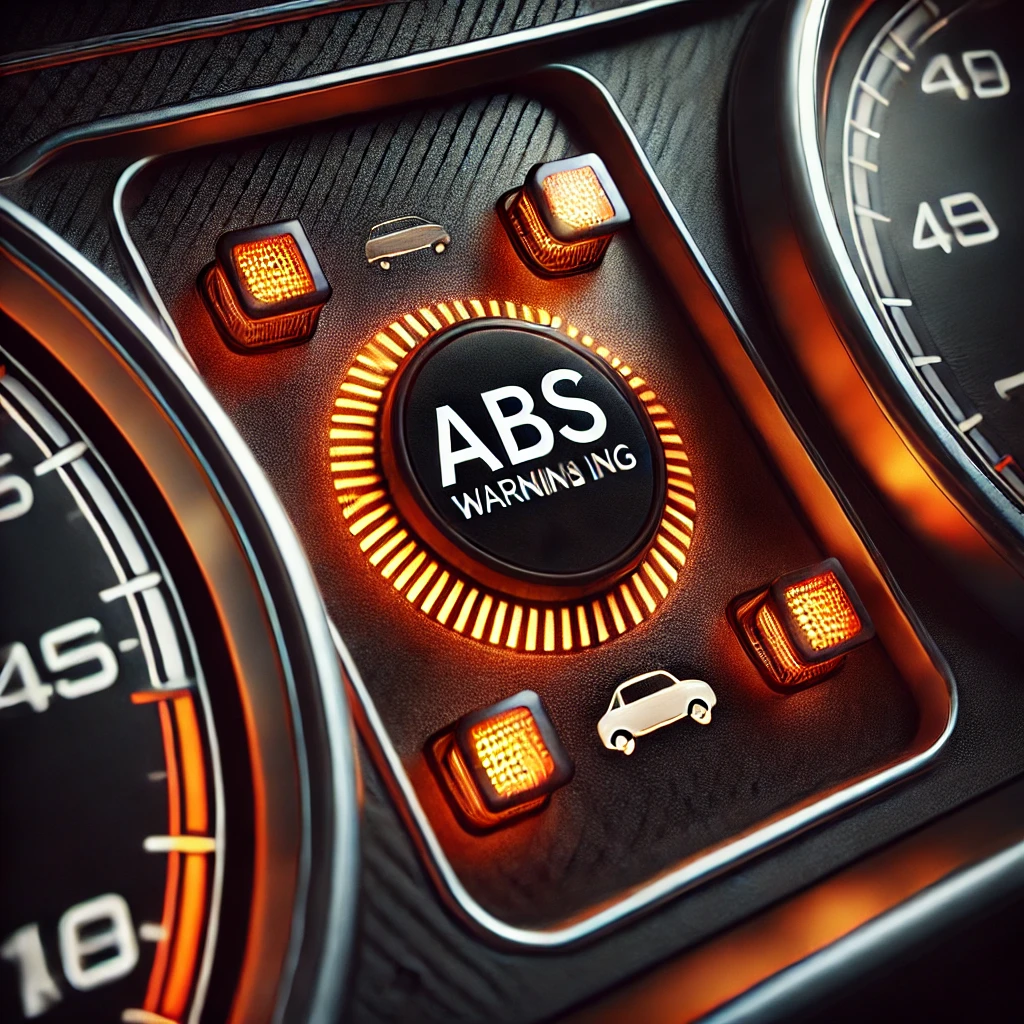
What is the ABS Light?
The ABS light is part of your vehicle’s Anti-lock Braking System (ABS). This system is designed to prevent your wheels from locking up during sudden braking, helping you maintain control of your vehicle. When the ABS light turns on, it indicates that there’s a problem with this system. While your regular brakes may still function, the ABS feature may be disabled, which could affect your ability to stop safely in certain conditions.
Why is the ABS Light Important?
The ABS system is a critical safety feature, especially in slippery or emergency braking situations. Here’s why it matters:
- Prevents Wheel Lock-Up: ABS prevents your wheels from locking, allowing you to steer while braking.
- Reduces Stopping Distance: On slippery surfaces, ABS can help you stop more quickly.
- Enhances Vehicle Control: It helps you maintain control during sudden stops, reducing the risk of skidding or losing control.
When the ABS light is on, it means this system may not be functioning correctly, which could compromise your safety.
Common Causes of the ABS Light Turning On
The ABS light can illuminate for several reasons. Here are the most common causes:
1. Faulty ABS Sensor
- The ABS system relies on sensors located at each wheel to monitor speed. If one of these sensors fails or becomes dirty, the ABS light may turn on.
2. Low Brake Fluid
- Low brake fluid levels can trigger the ABS light. This could indicate a leak in the brake system or worn brake pads.
3. Blown Fuse
- A blown fuse in the ABS system can cause the light to turn on. This is often an easy and inexpensive fix.
4. Faulty ABS Module
- The ABS control module is the brain of the system. If it malfunctions, the ABS light will illuminate.
5. Wiring Issues
- Damaged or corroded wiring can disrupt communication between the ABS components, triggering the light.
6. Worn Wheel Bearings
- Worn wheel bearings can interfere with the ABS sensor’s ability to read wheel speed accurately.
7. Aftermarket Modifications
- Installing aftermarket parts, such as wheels or tires, can sometimes interfere with the ABS system.
Is It Safe to Drive with the ABS Light On?
While your regular brakes may still work when the ABS light is on, it’s not advisable to ignore the issue. Here’s why:
- Reduced Safety: Without ABS, your wheels may lock up during sudden braking, especially on wet or icy roads.
- Potential for Further Damage: Ignoring the problem could lead to more expensive repairs down the line.
- Failed Inspection: In many regions, a lit ABS light will cause your vehicle to fail its safety inspection.
If the ABS light comes on, it’s best to have your vehicle inspected by a professional as soon as possible.
How to Diagnose the ABS Light
Diagnosing the cause of the ABS light can be tricky, but here are some steps you can take:
1. Check the Brake Fluid Level
- Open the hood and locate the brake fluid reservoir. If the level is low, top it up and see if the light turns off.
2. Inspect the ABS Fuse
- Refer to your owner’s manual to locate the ABS fuse. If it’s blown, replace it with a fuse of the same rating.
3. Scan for Error Codes
- Use an OBD-II scanner to read the error codes stored in your vehicle’s computer. These codes can provide clues about the issue.
4. Visually Inspect the ABS Sensors
- Check the sensors at each wheel for dirt, damage, or loose connections.
If you’re unable to diagnose the issue yourself, it’s best to take your vehicle to a trusted mechanic.
ABS Light Repair Costs by Brand
The cost of repairing an ABS-related issue can vary widely depending on the make and model of your vehicle, as well as the specific problem. Below, we’ve broken down the average repair costs for several popular brands.
1. Toyota
- ABS Sensor Replacement: 150–150–300
- ABS Module Replacement: 500–500–800
- Labor Costs: 100–100–200
2. Honda
- ABS Sensor Replacement: 160–160–320
- ABS Module Replacement: 550–550–850
- Labor Costs: 100–100–200
3. Ford
- ABS Sensor Replacement: 140–140–280
- ABS Module Replacement: 500–500–750
- Labor Costs: 100–100–200
4. Chevrolet
- ABS Sensor Replacement: 130–130–260
- ABS Module Replacement: 450–450–700
- Labor Costs: 100–100–200
5. BMW
- ABS Sensor Replacement: 200–200–400
- ABS Module Replacement: 800–800–1,200
- Labor Costs: 150–150–300
6. Mercedes-Benz
- ABS Sensor Replacement: 250–250–450
- ABS Module Replacement: 900–900–1,500
- Labor Costs: 150–150–300
7. Nissan
- ABS Sensor Replacement: 150–150–300
- ABS Module Replacement: 500–500–800
- Labor Costs: 100–100–200
8. Hyundai/Kia
- ABS Sensor Replacement: 140–140–280
- ABS Module Replacement: 450–450–700
- Labor Costs: 100–100–200
9. Subaru
- ABS Sensor Replacement: 160–160–320
- ABS Module Replacement: 550–550–850
- Labor Costs: 100–100–200
10. Volkswagen/Audi
- ABS Sensor Replacement: 200–200–400
- ABS Module Replacement: 800–800–1,200
- Labor Costs: 150–150–300
How to Prevent ABS Light Issues
While some ABS problems are unavoidable, there are steps you can take to reduce the risk of issues:
- Regular Maintenance: Have your brakes and ABS system inspected during routine service appointments.
- Check Brake Fluid: Regularly check and top off your brake fluid.
- Avoid Harsh Driving: Sudden stops and aggressive driving can put extra strain on your ABS system.
- Address Warning Signs: If you notice any unusual braking behavior, have your vehicle inspected immediately.
Conclusion
The ABS light is a crucial warning that should never be ignored. While it may not always indicate a severe problem, it’s essential to diagnose and address the issue promptly to ensure your safety and avoid costly repairs. Repair costs can vary depending on your vehicle’s make and model, with luxury brands like BMW and Mercedes-Benz typically costing more than mainstream brands like Toyota or Honda.
If your ABS light comes on, start by checking the brake fluid level and inspecting the fuses. If you’re unable to resolve the issue yourself, take your vehicle to a trusted mechanic for a professional diagnosis and repair.
By staying proactive about your vehicle’s maintenance, you can keep your ABS system in top condition and enjoy a safer, more reliable driving experience.
Pro Tip: If you’re experiencing an ABS light issue, consider using an OBD-II scanner to read the error codes before visiting a mechanic. This can help you understand the problem and avoid unnecessary repairs.
Drive safely, and don’t let the ABS light catch you off guard!

I know this website provides quality dependent
posts and additional information, is there any other website which provides such
stuff in quality?
You have made your position extremely effectively.!
Also visit my page pornsites 2022 videos (https://re-fashion.co.uk/)
Hi my friend! I want to say that this article
is awesome, great written and come with approximately all important infos.
I would like to look extra posts like this .
Your words possess reflective depth, revealing insight gradually. Each sentence supports contemplative reading, patience, and a nuanced understanding of ideas and emotions.