bg
OnlymechanicOnlymechanic
Font ResizerAa
  • Car Reviews
  • General knowledge
  • Car audio and tech installations
  • Car Maintenance
  • Car Performance
  • Care & Accessories
  • #4436 (pas de titre)
Search
  • Car Reviews
    • luxury car
  • General knowledge
  • Car audio and tech installations
  • Car Maintenance
    • Engine and transmission troubleshooting
    • Brake system maintenance
    • Electrical and battery solutions
    • Routine servicing
  • Car Performance
    • Best aftermarket parts reviews
    • Exhaust and intake system upgrades
    • Suspension and handling improvements
    • Performance tuning and modifications
  • Care & Accessories
    • Safety and security enhancements
    • Detailing and cleaning tips
    • Interior and exterior accessories
  • #4436 (pas de titre)
Sign In Sign In
Follow US
Onlymechanic.com copyright 2026
Brake system maintenance

Do New Brake Pads Help Regenerative Braking? A Complete Guide

Mark Reynolds
Last updated: février 13, 2025 11:27 pm
By
Mark Reynolds
6 Min Read
Regenerative Braking
SHARE

Table of Contents

  • Introduction
  • Understanding Regenerative Braking
    • How It Works:
  • Do New Brake Pads Improve Regenerative Braking?
    • The Role of Brake Pads in Regenerative Braking
    • When Do New Brake Pads Matter?
    • Factors That Affect Regenerative Braking Performance
  • Choosing the Right Brake Pads for Hybrid and EVs
  • Will Brake Pads and Rotors Last a Lifetime with Regenerative Braking?
  • Conclusion
    • Call to Action:
    • FAQs

Introduction

Regenerative braking is a game-changing technology that improves efficiency and extends the lifespan of traditional braking systems. But does installing new brake pads actually enhance regenerative braking? This guide explores how regenerative braking works, the role of brake pads, and whether replacing them impacts system performance.

Contents
  • Table of Contents
  • Introduction
  • Understanding Regenerative Braking
    • How It Works:
  • Do New Brake Pads Improve Regenerative Braking?
    • The Role of Brake Pads in Regenerative Braking
    • When Do New Brake Pads Matter?
    • Factors That Affect Regenerative Braking Performance
  • Choosing the Right Brake Pads for Hybrid and EVs
  • Will Brake Pads and Rotors Last a Lifetime with Regenerative Braking?
  • Conclusion
    • Call to Action:
    • FAQs

Understanding Regenerative Braking

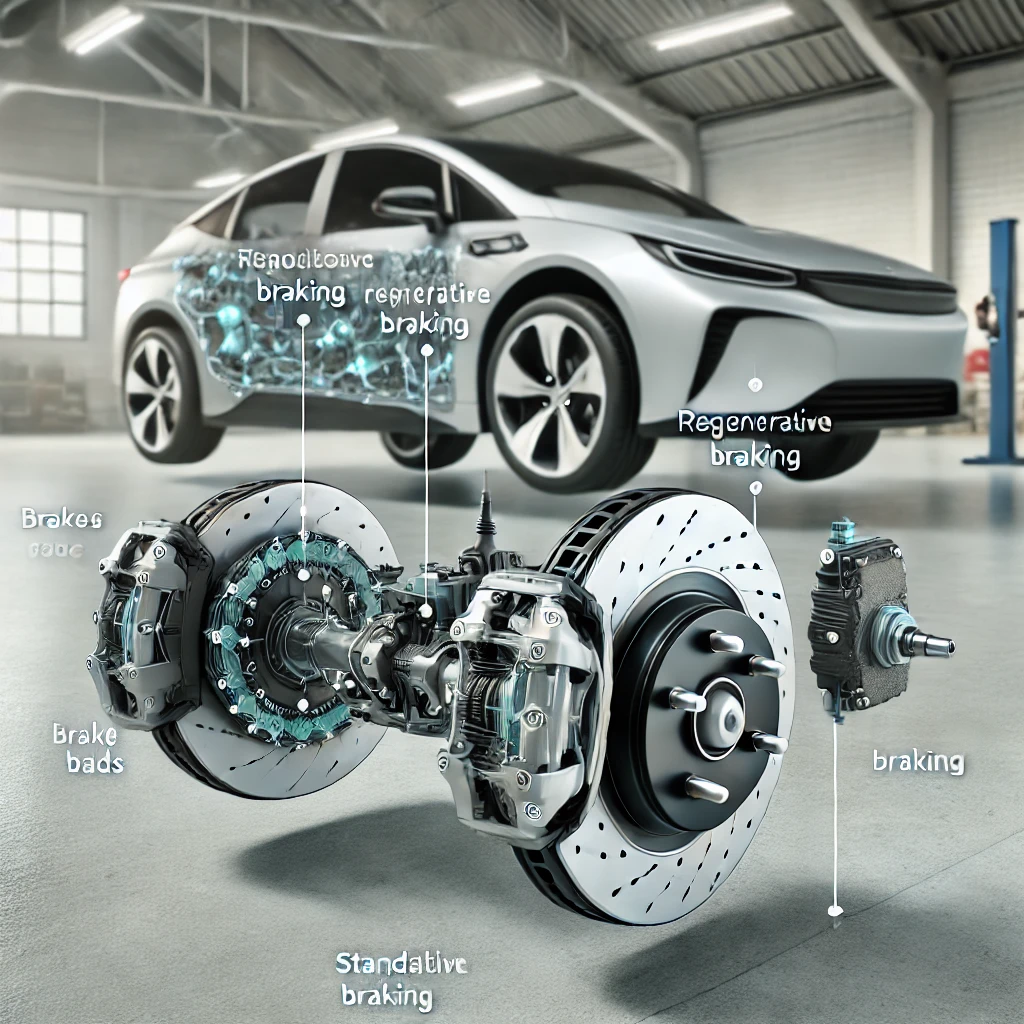
Regenerative braking is primarily found in hybrid and electric vehicles (EVs). Instead of relying solely on friction brakes, the system converts kinetic energy into electrical energy, which is then stored in the vehicle’s battery. This process reduces wear on traditional brake components and improves overall energy efficiency.

How It Works:

  1. Deceleration Initiates Regeneration: When the driver lifts off the accelerator or applies the brake pedal, the electric motor reverses operation and acts as a generator.
  2. Energy is Recovered: The motor converts excess kinetic energy into electricity, recharging the vehicle’s battery.
  3. Friction Brakes Activate as Needed: If additional stopping power is required, traditional brake pads and rotors engage.

Do New Brake Pads Improve Regenerative Braking?

The Role of Brake Pads in Regenerative Braking

Regenerative braking does most of the work in slowing down a vehicle, meaning that brake pads are used less frequently compared to conventional vehicles. However, they are still essential for complete stopping power, especially during sudden braking or at low speeds when regen braking is less effective.

When Do New Brake Pads Matter?

While new brake pads don’t directly improve regenerative braking efficiency, they are crucial for:

  • Backup Braking Performance: Worn-out pads reduce stopping power when friction brakes are needed.
  • Smooth Transitions: New, high-quality brake pads provide a seamless transition between regenerative and friction braking.
  • Safety & Stability: A failing brake system forces the vehicle to rely more on regenerative braking, which may not always provide enough stopping power in emergency situations.

Factors That Affect Regenerative Braking Performance

If you’re looking to maximize regenerative braking efficiency, consider these factors:

  • Battery Charge Level: A full battery may limit regen braking effectiveness.
  • Driving Mode: Some EVs and hybrids allow you to adjust regenerative braking levels.
  • Weather Conditions: Cold weather can impact battery efficiency, reducing regen braking effectiveness.
  • Brake System Maintenance: Keeping the entire braking system—including pads, rotors, and calipers—in good condition ensures smooth performance.

Choosing the Right Brake Pads for Hybrid and EVs

To maintain optimal braking performance, it’s essential to choose the right type of brake pads for your hybrid or electric vehicle:

  • Low-Dust Ceramic Pads: These reduce brake dust and improve longevity.
  • Regenerative Brake-Compatible Pads: Some manufacturers design pads specifically to complement regenerative braking systems.
  • OEM vs. Aftermarket: Original Equipment Manufacturer (OEM) brake pads are recommended to maintain proper compatibility with your vehicle’s braking system.

Will Brake Pads and Rotors Last a Lifetime with Regenerative Braking?

If you drive a car with regenerative braking carefully, you can significantly extend the lifespan of your brake pads and rotors. Many EV and hybrid owners report their brake components lasting 100,000 miles or more due to reduced reliance on friction braking. However, they will not last forever. Over time, environmental factors like moisture, rust, and infrequent use can cause wear and tear. While regenerative braking greatly minimizes wear, regular maintenance is still necessary to ensure your brakes remain in good working condition.

Conclusion

New brake pads don’t directly improve regenerative braking, but they are essential for ensuring a safe and effective braking system. Keeping your brakes in top condition allows for smooth transitions between regenerative and friction braking, enhancing overall driving safety.

Call to Action:

Want expert tips on brake maintenance for your hybrid or EV? Visit OnlyMechanic.com for in-depth guides, product recommendations, and more!


FAQs

1. Can I drive an EV or hybrid without ever replacing brake pads?
No, while regenerative braking reduces wear, brake pads still degrade over time and require replacement.

2. How often should I replace brake pads in a vehicle with regenerative braking?
Typically, brake pads last much longer in hybrids and EVs—often 50,000 to 100,000 miles—but this depends on driving habits and road conditions.

3. How do I know if my brake pads need replacement?
Look for signs like squeaking noises, reduced braking efficiency, or a warning light on your dashboard.

For more car maintenance insights, check out OnlyMechanic.com!
Join Our Newsletter
Subscribe to our newsletter to get our newest articles instantly!
TAGGED:Do New Brake Pads Help Regenerative Braking?Regenerative Braking
Share This Article
Facebook Email Copy Link
Aucun commentaire Aucun commentaire

Laisser un commentaire Annuler la réponse

Votre adresse e-mail ne sera pas publiée. Les champs obligatoires sont indiqués avec *

You Might Also Like

ABS Light
Brake system maintenance

ABS Light: What It Means, Why It’s On, and How to Fix It

By
Mark Reynolds
février 2, 2026
Exhaust and intake system upgrades

What Is AdBlue and Why Do Modern Diesel Cars Need It?

By
Mark Reynolds
janvier 28, 2026
White Smoke From Exhaust: Causes, Meaning, and How to Fix It White smoke coming from your car’s exhaust can be alarming, especially if you’re not sure what it means. While some exhaust smoke is normal under certain conditions, persistent white smoke from exhaust is often a warning sign of an underlying mechanical issue that should not be ignored. In this in-depth guide, we’ll explain what white smoke from exhaust means, the most common causes, how to diagnose the problem, and practical solutions to fix it. Whether you’re a car owner, mechanic, or auto enthusiast, this article will help you understand the issue clearly and take the right action. What Is White Smoke From Exhaust? White smoke from exhaust refers to visible white or milky-colored vapor emitted from a vehicle’s tailpipe. Unlike light condensation vapor that disappears quickly, problematic white smoke is thick, continuous, and often accompanied by a sweet smell. Understanding the difference between normal exhaust vapor and abnormal white smoke is the first step in diagnosing the issue. Is White Smoke From Exhaust Always a Problem? Not always. In some cases, white smoke from exhaust is completely normal. Normal White Smoke (Condensation) Appears during cold starts Disappears after the engine warms up Caused by moisture in the exhaust system No coolant loss or engine performance issues Abnormal White Smoke Thick and persistent Continues even after warm-up Often smells sweet May indicate coolant or water entering the combustion chamber If white smoke from exhaust does not go away, it usually means something is wrong. Common Causes of White Smoke From Exhaust 1. Condensation in Cold Weather (Harmless) In cold or humid climates, water vapor naturally forms inside the exhaust system. When the engine starts, this moisture evaporates, producing white smoke. Key signs: Only appears during startup Disappears within minutes No engine warning lights ✅ No repair needed 2. Coolant Leak Into the Combustion Chamber One of the most serious causes of white smoke from exhaust is coolant leaking into the engine cylinders. This happens when: A head gasket fails The cylinder head cracks The engine block is damaged Coolant burns along with fuel, producing thick white smoke. Symptoms include: Sweet-smelling exhaust Overheating engine Low coolant levels Milky oil on dipstick ⚠️ This issue requires immediate attention 3. Blown Head Gasket A blown head gasket is the most common reason for persistent white smoke from exhaust. The head gasket seals: The engine block Cylinder head Coolant and oil passages When it fails, coolant enters the combustion chamber and burns. Warning signs: Continuous white smoke Engine overheating Poor performance Coolant loss with no visible leaks 💰 Repair cost: High, but delaying repairs can destroy the engine. 4. Cracked Cylinder Head or Engine Block Extreme overheating or manufacturing defects can cause cracks in the cylinder head or block. This allows coolant to seep into cylinders, resulting in white smoke from exhaust. Symptoms: Heavy white smoke Misfiring engine Rapid coolant loss Engine knocking 🔧 Often requires engine rebuild or replacement 5. Faulty Fuel Injector (Diesel Engines) In diesel engines, white smoke from exhaust may be caused by: Unburned fuel Faulty injectors Incorrect injection timing This type of smoke may appear white or gray and smell strongly of diesel. Common in: Cold diesel starts Engines with injector problems 6. Water in Fuel System Water contamination in fuel can also produce white smoke from exhaust. Causes include: Bad fuel quality Condensation in fuel tank Poor storage conditions Fix: Drain contaminated fuel and replace fuel filter. White Smoke From Exhaust at Startup vs While Driving White Smoke at Startup Only Usually condensation Normal in cold weather Disappears quickly White Smoke While Driving Indicates coolant or fuel issue Not normal Needs inspection What Does White Smoke From Exhaust Smell Like? Smell can help diagnose the issue: Smell Likely Cause Sweet Burning coolant Fuel odor Unburned fuel No smell Condensation A sweet smell combined with white smoke is a strong sign of coolant burning. How to Diagnose White Smoke From Exhaust Step 1: Check Coolant Level Look for unexplained coolant loss Inspect reservoir and radiator Step 2: Inspect Engine Oil Milky or frothy oil indicates coolant contamination Step 3: Observe Smoke Behavior When does it appear? Does it disappear after warm-up? Step 4: Check for Overheating Monitor temperature gauge Overheating often accompanies head gasket failure Step 5: Use Diagnostic Tools Compression test Leak-down test Cooling system pressure test 🔍 Professional diagnosis is highly recommended. How to Fix White Smoke From Exhaust Fix 1: Let Engine Warm Up (If Condensation) If the white smoke disappears after a few minutes, no repair is needed. Fix 2: Replace Head Gasket If a blown head gasket is confirmed: Engine disassembly required Gasket replacement Cylinder head inspection ⏱️ Time: 1–3 days 💰 Cost: Moderate to high Fix 3: Repair or Replace Cylinder Head Cracks or warping may require: Machining Welding Replacement Fix 4: Replace Faulty Injectors (Diesel) Clean or replace injectors Adjust timing Fix 5: Flush Fuel System Drain contaminated fuel Replace fuel filter Can You Drive With White Smoke From Exhaust? 🚫 Driving is NOT recommended if: Smoke is thick and persistent Engine overheats Coolant level drops rapidly Driving under these conditions can cause catastrophic engine failure. Preventing White Smoke From Exhaust Maintenance Tips: Regular coolant checks Avoid engine overheating Change oil on time Use high-quality fuel Service injectors regularly Preventive maintenance is far cheaper than engine repairs. White Smoke vs Blue Smoke vs Black Smoke Smoke Color Meaning White Coolant or condensation Blue Burning oil Black Excess fuel Understanding smoke color helps identify engine problems quickly. Frequently Asked Questions (FAQ) Is white smoke from exhaust dangerous? Yes, if it’s continuous. It may indicate serious engine damage. Can white smoke go away on its own? Only if it’s caused by condensation. Mechanical issues will worsen over time. How much does it cost to fix white smoke from exhaust? Costs range from free (condensation) to thousands of dollars for engine repairs. Does white smoke always mean a blown head gasket? No, but it’s one of the most common causes.
Exhaust and intake system upgrades

White Smoke From Exhaust: Causes, Meaning, and How to Fix It

By
Mark Reynolds
février 3, 2026
Exhaust and intake system upgrades

EPA Diesel Exhaust Fluid Systems Fix: Common Problems and How to Solve Them

By
Mark Reynolds
février 3, 2026
Welcome Back!

Sign in to your account

Username or Email Address
Password

Lost your password?