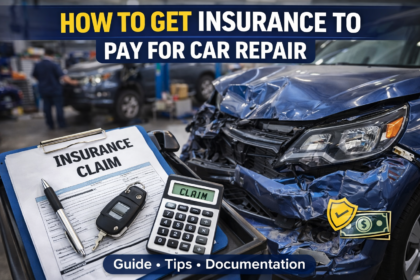




# 🚗 Comprehensive Coverage Car Insurance – Complete Guide, Costs & Best Options
When you buy car insurance, you’ll often hear the term **“comprehensive coverage”** – but what does it really mean, what does it cover, and is it worth the cost?
This in‑depth guide explains:
– ✅ What comprehensive car insurance is
– ✅ What it covers (and what it doesn’t)
– ✅ How much it costs & key pricing factors
– ✅ Comprehensive vs collision & liability
– ✅ When you *should* and *shouldn’t* get it
– ✅ How to find the best comprehensive coverage for your budget
—
## 🔍 What Is Comprehensive Coverage Car Insurance?
**Comprehensive coverage** (often called “comp” or “other-than-collision” coverage) is a type of auto insurance that pays for **damage to your car that is NOT caused by a collision with another vehicle or object.**
In other words, if something bad happens to your car that’s largely out of your control, comprehensive coverage is what usually steps in.
### 🧩 Simple Definition
> **Comprehensive coverage = protection for your car against non‑collision damage** such as theft, vandalism, fire, storms, falling objects, or hitting an animal.
It’s usually **optional** coverage (unless required by a lender or leasing company), but highly recommended for cars with moderate to high value.
—
## ✅ What Does Comprehensive Car Insurance Cover?
While details can vary slightly by insurer and location, comprehensive coverage typically protects your vehicle against:
### 1. 🚘 Theft
– Your car is **stolen** from your driveway, workplace, or a public parking lot
– Coverage may also apply if your car is recovered but **returned damaged**
### 2. 🎨 Vandalism
– Keyed paint
– Broken windows
– Slashed tires
– Spray paint or intentional body damage
If someone intentionally damages your car, comprehensive often pays to fix it (minus your deductible).
### 3. 🔥 Fire & Explosions
– Engine fires
– Electrical fires
– Garage or building fire damaging your car
– Explosion-related damage
### 4. 🌪 Weather & Natural Disasters
Common types of weather-related damage covered:
– Hail dents and broken glass
– Windstorms blowing debris into your car
– Tornado or hurricane damage
– Flooding (e.g., rainwater, storm surge, flash flood)
– Snow and ice damage falling from roofs or trees
> 💡 **Note:** Flood damage is a major reason many drivers keep comprehensive coverage, especially in high-risk areas.
### 5. 🌳 Falling Objects
– Tree branches or entire trees
– Construction debris
– Objects falling from buildings
– Ice or snow chunks from roofs
If something falls onto your vehicle and causes damage, it’s usually considered a comprehensive claim.
### 6. 🦌 Animal-Related Damage
– Hitting a **deer, moose, or other large animal**
– Damage from animals chewing wires or nesting in your engine
– Broken glass or body damage from birds or small animals
Most insurers treat **collisions with animals** as a comprehensive claim (not collision).
### 7. 🪟 Glass & Windshield Damage
– Cracked or shattered windshields
– Broken side or rear windows
– Chips from rocks or road debris
Many policies offer **special glass coverage** as part of comprehensive with a lower or even zero deductible for windshield repair.
—
## 🚫 What Comprehensive Coverage Does *Not* Cover
Comprehensive is powerful, but not total protection. It does **NOT** cover:
– ❌ Damage from accidents where you hit another vehicle or object
– ❌ Medical bills for you or others
– ❌ Damage you cause to other people’s property
– ❌ Normal wear and tear (brakes, tires, engine wear, etc.)
– ❌ Mechanical failures (transmission issues, engine breakdown)
– ❌ Personal items stolen from inside the car (laptop, phone, wallet) – these are usually covered under home/renters insurance
For these situations, you’d need **collision, liability, medical payments, PIP, or other coverage types**.
—
## 🔄 Comprehensive vs Collision vs Liability
Understanding how comprehensive fits into your whole auto insurance package is key.
### ⚖️ Quick Comparison Table
| Coverage Type | What It Covers | Required by Law? |
|——————-|———————————————————–|————————-|
| **Liability** | Injuries & property damage *you cause to others* | ✅ Yes, in most states |
| **Collision** | Your car’s damage from accidents (you hit something) | ❌ No (but often needed if financed/leased) |
| **Comprehensive** | Non‑collision damage to your car (theft, fire, weather) | ❌ No (but often required by lenders) |
### When Each Applies
– **Back into a pole** in a parking lot → **Collision**
– **Hailstorm** dents your roof and hood → **Comprehensive**
– You **rear-end another vehicle** →
– Their car & injuries: **Liability**
– Your car: **Collision**
– Your car is **stolen** → **Comprehensive**
– A **tree branch** falls and crushes your roof → **Comprehensive**
> 📌 Most full “physical damage” protection for your own vehicle usually means having **both comprehensive + collision** coverage.
—
## 💰 How Much Does Comprehensive Car Insurance Cost?
The cost of comprehensive coverage is typically **affordable** compared to collision or liability, especially considering what it protects against.
### 🧮 Average Cost Range
In many areas, comprehensive coverage costs roughly:
– **$100 – $300 per year** for many drivers
– Sometimes more in **high-risk areas** (theft, weather, or wildlife risks)
This is just a general range – actual premiums can be higher or lower based on your specific situation.
—
## 🧠 Factors That Affect Your Comprehensive Insurance Cost
### 1. 🚙 Vehicle Value & Type
– **Higher value cars** (luxury, new models, EVs) cost more to insure
– **Older, low-value cars** are cheaper to insure and sometimes not worth comprehensive at all
– Cars with **expensive parts** or technology (ADAS, sensors in bumpers/windshields) increase costs
### 2. 📍 Location & Environment
Insurers look at:
– Theft & vandalism rates in your zip code
– Weather and natural disaster risk (hail, floods, hurricanes, wildfires)
– Urban vs rural driving environment
– Deer or wildlife collision frequency
Living in **high-crime or storm-prone** regions usually leads to higher comprehensive premiums.
### 3. 🪪 Driving Record & Claims History
– Frequent claims (even small ones like windshield chips) can increase your cost
– A history of comprehensive claims (theft, vandalism, glass) may raise your rates over time
### 4. 💸 Your Chosen Deductible
The **deductible** is what you pay out of pocket before the insurance company pays the rest.
Typical comprehensive deductibles:
– $100
– $250
– $500
– $1,000 or more
> 🔁 **Rule of thumb:**
> – Higher deductible → Lower monthly premium
> – Lower deductible → Higher monthly premium
### 5. 📦 Overall Policy & Discounts
Your comprehensive cost is influenced by your **entire policy profile**:
– Bundling with home/renters insurance
– Multi-car discounts
– Good driver or safe driver discounts
– Anti-theft devices or GPS tracking
– Good student or low‑mileage programs
—
## 🧾 Deductibles: How Comprehensive Claims Actually Work
When you file a comprehensive claim, you pay the **deductible**, and your insurer pays the rest up to the car’s **actual cash value (ACV)**.
### 💡 Example
– Your deductible: **$500**
– Hail damage repair cost: **$3,000**
You pay **$500**, and the insurance company pays **$2,500**.
If your car is **totaled** (cost to repair > value of car):
– The insurer pays the **actual cash value** (market value before the loss), minus your deductible.
—
## 🧮 Is Comprehensive Coverage Worth It For You?
Whether you should carry comprehensive depends on a mix of **math + risk tolerance + vehicle value**.
### ✅ Good Reasons to Keep Comprehensive
You should strongly consider comprehensive if:
– Your car is **new or relatively new** (typically under 8–10 years old)
– Your vehicle is **worth more than the cost of annual coverage** over several years
– You park outside in **high-theft areas**
– You live in regions with:
– Heavy **hail or storms**
– **Wildfire** or **flood** risk
– Frequent **deer or animal collisions**
– Your car is **financed or leased** (lenders usually require it)
### ❌ When You Might Drop Comprehensive
You *might* consider dropping comprehensive coverage if:
– Your car is **old with low market value** (for example, worth $2,000–$3,000 or less)
– The **annual cost** of comprehensive coverage + deductible is close to or exceeds the **value of your car**
– You have enough savings to comfortably **self-insure** minor to moderate losses
> ✏️ Example decision:
> – Car value: $2,500
> – Comprehensive premium: $220/year
> – Deductible: $500
>
> If you keep this car for 3 years, you could pay **$660+** in premiums plus **$500** deductible for a single claim, which may not be worth it.
—
## 🏦 Comprehensive Requirements for Financed & Leased Vehicles
If your car is:
– **Financed** (auto loan), or
– **Leased**
Your lender or leasing company will almost always **require** you to carry:
– **Comprehensive coverage**, and
– **Collision coverage**
Why? Because until the car is paid off, the lender has a **financial interest** in your vehicle and wants to protect its value.
Failing to maintain these coverages can result in:
– Forced placement of very expensive insurance by the lender (force‑placed insurance)
– Violation of your loan or lease agreement
—
## 🔎 How to Choose the Best Comprehensive Coverage Option
Finding the right comprehensive coverage is about **balancing cost, protection, and your personal risk level.**
Here’s a step‑by‑step approach:
### 1. 📝 Know Your Car’s Current Value
– Look up your car’s **actual cash value** using:
– Kelley Blue Book (KBB)
– Edmunds
– NADA Guides
– If your vehicle is still **worth several thousand dollars or more**, comprehensive is often still a smart choice.
### 2. 🎯 Pick a Smart Deductible
– If you can **comfortably afford $500–$1,000** out of pocket in an emergency, consider a **higher deductible** to lower your premium.
– If a large unexpected expense would be difficult, opt for a **lower deductible** with slightly higher premiums.
### 3. 🧾 Compare Multiple Quotes
Always compare from at least **3–5 insurers**:
– Get quotes online
– Use comparison tools or marketplaces
– Talk to independent agents who can quote multiple companies
Compare:
– Comprehensive premium cost
– Deductible options
– Glass coverage terms (some offer $0 glass deductible)
– Claim satisfaction ratings and reviews
### 4. 🛡️ Check Coverage Features & Add‑Ons
Some insurers offer valuable extras:
– **Full glass coverage** (no deductible for windshield repair/replacement)
– **OEM parts** guarantee for repairs on newer vehicles
– **Rental reimbursement** (while your car is being repaired after a covered claim)
– **Roadside assistance** options
While these may slightly increase premiums, they can significantly improve your experience when a claim occurs.
### 5. 💬 Ask About Discounts
To optimize your comprehensive cost:
– Install **anti-theft devices** (alarms, immobilizers, GPS trackers)
– Park in a **garage** instead of on the street
– Enroll in **telematics / usage-based insurance** programs if you’re a safe driver
– Bundle auto with **home or renters** insurance for multi-policy discounts
—
## 🧠 Common Myths About Comprehensive Car Insurance
### Myth #1: “Comprehensive means *everything* is covered.”
Reality: It **only** covers non‑collision damage to your vehicle. It does not cover your injuries, other people’s cars, or mechanical repairs.
—
### Myth #2: “Comprehensive is too expensive to be worth it.”
Reality: For many drivers, comprehensive is one of the **most cost-effective** coverages, especially in high-theft or severe weather areas. Often less than $25/month.
—
### Myth #3: “If my car is old, I should always drop comprehensive.”
Reality: Age alone doesn’t decide. What matters is the **current market value vs cost of coverage and deductible.** Some older but valuable or specialty vehicles still deserve comprehensive.
—
### Myth #4: “I don’t need comprehensive if I park in a safe neighborhood.”
Reality: Damage from **storms, hail, falling objects, fires, and animal collisions** can happen anywhere – even in “safe” areas.
—
## ✅ Quick Checklist: Do You Need Comprehensive Coverage?
Use this quick self‑assessment:
– Is your car **worth more than $3,000–$5,000**?
– Would it be **financially difficult** to replace or repair your car out of pocket after theft, fire, hail, or flood?
– Do you live in an area with:
– High theft or vandalism?
– Frequent storms, hail, or flooding?
– Heavy deer or wildlife activity?
– Is your car **financed or leased**?
– Do you park **outside**, on the street, or in public parking often?
If you answered **“yes”** to several of these, comprehensive coverage is likely a **wise and cost-effective choice.**
—
## 📌 Key Takeaways
– **Comprehensive coverage** protects your car from **non‑collision damage** such as theft, fire, vandalism, storms, falling objects, and animal impacts.
– It **does not** cover accident collisions, medical bills, or other people’s property – that’s what **collision and liability** cover.
– Comprehensive coverage is usually **optional**, but **required by lenders and leasing companies**.
– Costs are influenced by your car’s value, your location, risk levels, deductible, and discounts.
– It’s most valuable for **newer or higher-value vehicles** and for drivers in **high-risk areas**.
– Always **compare quotes**, choose a **deductible you can afford**, and look for **discounts and added features** like glass coverage.
—
## 🛠️ Next Steps: Optimize Your Comprehensive Coverage
1. **Check your current policy** – see if comprehensive is included and what your deductible is.
2. **Estimate your car’s value** – is it still worth protecting?
3. **Gather 3–5 quotes** from different insurers for:
– Comprehensive + collision
– Different deductibles ($250, $500, $1,000)
4. **Balance cost vs protection** – pick the option that gives you peace of mind *and* fits your budget.
Protecting your car from the unexpected doesn’t have to be complicated or expensive. With the right **comprehensive coverage**, you can drive knowing you’re protected against many of life’s “what ifs” – even when they don’t involve another car.