
Exhaust wrap – Complete Guide, Causes & Fixes
Introduction
If you’re chasing cooler under-hood temperatures, a little extra heat management can go a long way. Exhaust wrap is a common DIY upgrade that sits around exhaust components to reduce radiant heat and protect nearby parts. In this complete guide, you’ll learn what exhaust wrap is, why people use it, the common causes it’s meant to address, how to identify issues, a step-by-step troubleshooting plan, cost estimates, preventive tips, and practical answers to the most-asked questions. Whether you’re a curious car owner or a DIY mechanic, this guide will help you decide if exhaust wrap is right for your vehicle and how to install or fix it safely.
What it is / explanation
– Exhaust wrap is a heat-insulating sleeve or wrap designed to encase sections of the exhaust system, typically around headers, downpipes, and hot exhaust pipes.
– Materials vary, with common options including fiberglass-based wraps, basalt fiber, and silica composites. Some wraps have ceramic or silicone coatings for extra protection and water resistance.
– How it works: the wrap reduces radiant heat that escapes from the exhaust system. By keeping heat closer to the exhaust pipe, it can lower under-hood temperatures, potentially protect nearby wiring and components, and in some cases marginally improve exhaust scavenging. Note that gains are usually modest and highly dependent on the vehicle, exhaust layout, and insulation quality.
– Important caveat: wrap must be installed correctly and kept dry. Moisture trapped inside damaged wrap can promote corrosion and lead to exhaust leaks or sensor problems. Always choose air-dried, heat-rated wrap and proper, heat-safe clamps.
Common causes
– Excessive exhaust heat in tight engine bays: High-revving, forced-induction setups, long-tube headers, or compact engine bays can cause radiant heat buildup that affects nearby components.
– Proximity of heat sources to sensitive parts: Wiring, fuel lines, vacuum lines, and carbon-canister lines that live close to hot pipes benefit from added protection—when wrap is used correctly.
– Aftermarket or high-performance exhausts: Aftermarket headers and downpipes are often hotter than OEM units. Wrap is a common mod to manage this extra heat.
– Degraded or poor installation: Wrapping too tightly, leaving gaps, over-wrapping over sensors, or using improper clamps can trap moisture, cause abrasion, or fail to protect heat-sensitive components.
– Moisture at the wrap edge: If wrap gets wet and isn’t allowed to dry, corrosion can accelerate on the pipe’s surface and nearby brackets, especially in regions with road salt or heavy rain.
– Misconceptions about performance: While some enthusiasts expect a big horsepower gain from wrap, most improvements are related to temperature management rather than a direct boost in power.
Symptoms / how to identify the problem
– Excessive under-hood heat: You notice more heat in the engine bay or feel it on your arm after a longer drive, especially around the area with wrap.
– Fading or damaged paint on nearby components: Heat-softened paint or decals near the wrapped pipe may bubble or peel.
– Condensation or rust under wrap: Moisture trapped in damaged wrap can lead to localized rust or corrosion on pipes, clamps, or brackets.
– Frayed or deteriorating wrap: Visible fraying, cracking, or unraveling of the wrap indicates it’s nearing the end of its life.
– Sensor or electrical symptoms: In some cases, wiring insulation near wrapped pipes can become brittle, leading to chafing or sensor misreadings (O2 sensors, EGT sensors, etc.).
– Odd smells or heat warnings: If wrap is compromised and heat is escaping to places it shouldn’t, you might notice unusual odors or warning lights from heat-related stress.
Step-by-step troubleshooting guide
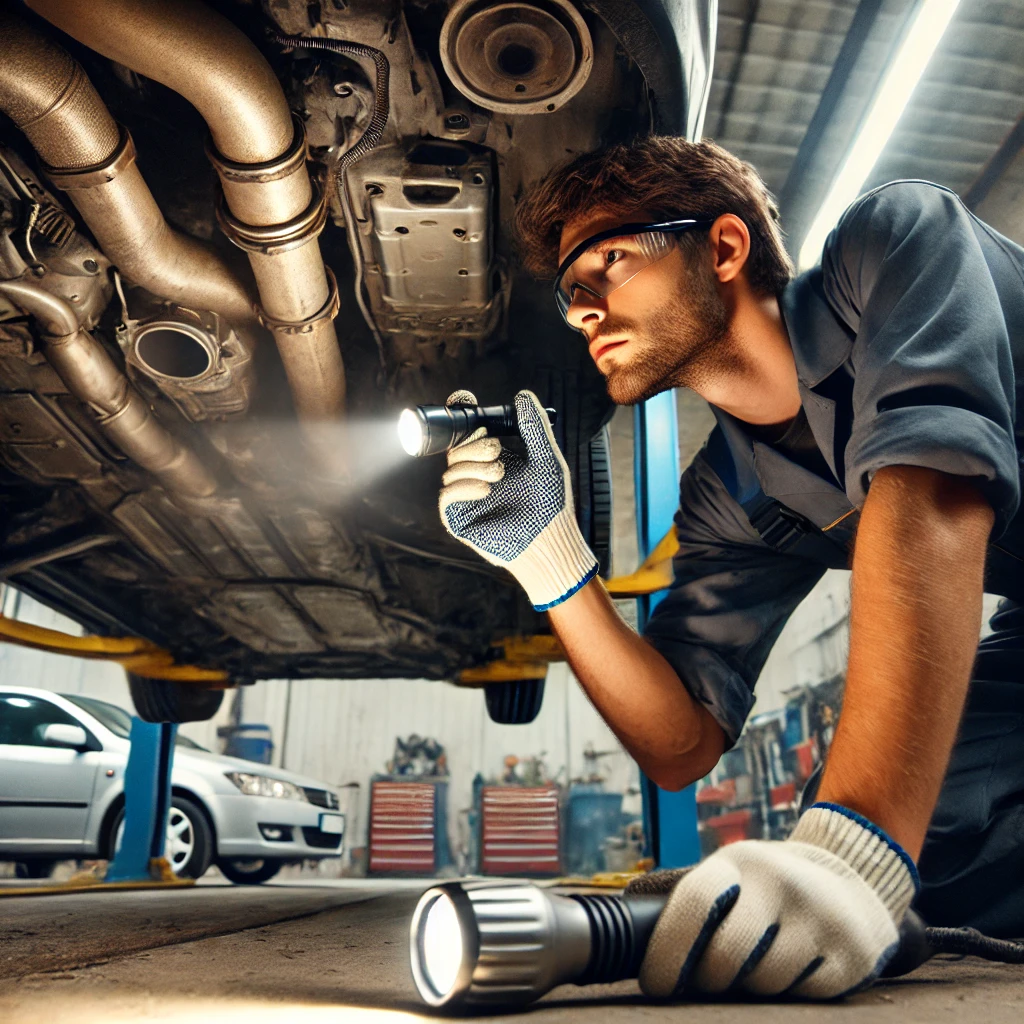
– Safety first: Let the exhaust cool completely. Wear gloves and eye protection when inspecting wrap and exhaust components.
– Inspect wrap condition:
– Look for frayed fibers, gaps, or missing segments.
– Check for moisture retention or damp areas inside the wrap (you might see darker, damp sections).
– Inspect clamps and securing bands; loose clamps can allow wrap to shift and create hot spots.
– Check for exhaust leaks:
– Listen for ticking or tapping sounds when the engine is cold and at idle; leaks near joints can create noise and heat transfer.
– Look for black soot or shiny staining around flanges, gaskets, and pipe joints.
– Inspect heat-sensitive components nearby:
– Examine wiring insulation, vacuum lines, fuel lines, and plastic parts for heat damage or charring.
– Check nearby heat shields for loosening; a loose shield may exaggerate heat transfer rather than protect it.
– Examine sensors and wiring:
– If you have O2 sensors, inspect their wires for chafing from wrapping or exhaust heat damage.
– Check for fault codes that may indicate sensor or catalytic converter issues.
– Decide on the repair approach:
– If wrap is in decent shape and only needs minor adjustments, trimming damaged sections and re-wrapping can restore performance.
– If corrosion, leaks, or sensor damage are present, plan for replacement or professional assessment.
– For severe rust or structural damage to pipes, headers, or flanges, a mechanic should evaluate safe replacement options.
– Test after repair:
– Start the engine after re-wrapping and allow it to reach normal operating temperature. Listen for leaks and check that sensors operate normally.
– Re-check clamps and wrap after a short drive to ensure nothing relocated.
When repair is possible vs when to visit a mechanic
– DIY-friendly scenarios:
– Minor wrap damage: small frays or superficial cracks that don’t reveal metal beneath the wrap.
– Rewrapping a section that has separated or loosened, with all fasteners replaced by proper stainless clamps.
– Replacing a small section of wrap around a non-sensor area after cleaning and drying.
– When to visit a mechanic:
– Visible rust or corrosion on the exhaust pipe, header, or flange connections.
– Exhaust leaks at joints or cracked pipes, which can be unsafe and may require gasket or pipe replacement.
– Damaged O2 sensors, wiring insulation, or any electrical components affected by heat.
– Persistent heat-related issues after rewrapping, or if the vehicle has warning codes tied to exhaust or sensors.
– If you’re unsure about the safest way to access the exhaust system or if you don’t have the proper tools for a secure wrap installation.
Repair/Replacement Cost Estimates (USD)
– Exhaust wrap materials:
– DIY wrap kits (fiberglass or basalt-based): $20–$60 per roll. Most engines require 1–3 rolls depending on header length and number of pipes.
– Stainless steel zip ties or clamps: $5–$15 per pack.
– Labor (professional service):
– Rewrap or replace small sections (labor only): roughly $100–$300, depending on vehicle complexity and access.
– Full wrap removal and rewrap: $150–$350, plus material costs.
– Exhaust system inspection with minor repairs (leaks, gaskets): $200–$600, depending on parts and shop rates.
– Replacement costs (if wrap has caused or revealed damage):
– Gaskets and clamps: $20–$80.
– O2 sensors (new): $60–$250 per sensor, plus labor if replaced by a shop.
– Exhaust pipe or header replacement (parts and labor): $300–$1,800+, heavily dependent on vehicle make and model.
– Heat shield replacement or repair: $50–$300, depending on part availability and labor.
Preventive tips
– Choose the right material: Use high-temperature rated wraps designed for exhaust use and select materials appropriate for the pipe temperature range you expect.
– Dry installs are critical: Never wrap while damp. If moisture is present, let the wrap dry completely before driving.
– Secure properly: Use stainless steel clamps or bands designed for high-heat use. Avoid duct tape or non-heat-resistant materials.
– Leave space for sensors: Do not wrap around oxygen sensors or wiring insulation; ensure cables have sufficient clearance to avoid chafing.
– Check regularly: Inspect wrap every few months for signs of wear, moisture, or loosening clamps, especially in winter or off-road conditions.
– Don’t wrap everything: It’s usually best to wrap only sections that get the hottest heat, while leaving others protected by heat shields or OEM shields.
– Consider alternatives: If under-hood temps are a major concern, you can explore ceramic coatings, heat shields, or heat wraps designed for specific vehicle layouts. In some cases, a professionally engineered heat shield solution may be a better long-term option.
FAQs
Q1: Does exhaust wrap really reduce engine bay temperatures?
A1: Yes, exhaust wrap can lower radiant heat that escapes from hot pipes. The effect varies by vehicle and installation quality, but it’s generally more about reducing radiant heat than creating a dramatic horsepower gain.
Q2: Can exhaust wrap cause engine damage?
A2: It can if installed improperly. Trapping moisture inside damaged wrap can accelerate corrosion, and wrapping around sensors or wiring can lead to heat damage or misreads. Proper installation and periodic inspection are essential.
Q3: Is exhaust wrap safe for all vehicles?
A3: Most modern gasoline and diesel engines can use exhaust wrap in appropriate areas. However, some vehicles with sensitive sensors, tight spaces, or limited clearance may benefit more from shields or alternative heat-management methods.
Q4: How long does exhaust wrap last?
A4: Typical wraps last 5–10 years, depending on climate, driving conditions, road salt exposure, and maintenance. Frequent inspection helps catch wear before it causes issues.
Q5: Can I reuse wrap after removing it?
A5: Some wraps can be reused if they’re not damaged, but most are intended for one-time use. If the fibers are crushed, frayed, or moisture-damaged, replacement is safer and more effective.
Conclusion + CTA
Exhaust wrap can be a practical, budget-friendly way to manage heat in tight engine bays, protect nearby components, and potentially reduce under-hood temperatures. It’s not a cure-all, and the benefits depend on proper installation, vehicle design, and maintenance. If you’re a curious DIYer, start with a small, dry wrap on accessible sections and monitor for any signs of moisture or sensor interference. If you’re unsure about the best approach for your car, a professional assessment can help you weigh the benefits against potential risks.
Have car problems? Ask in the comments and I’ll help!