

What Is a DPF Cleaner?
Modern diesel vehicles are equipped with advanced emission control systems designed to reduce harmful pollutants. One of the most important components is the Diesel Particulate Filter (DPF), which captures soot and particulate matter produced during diesel combustion.
- What Is a DPF Cleaner?
- 1. DPF Warning Light
- 2. Reduced Engine Power
- 3. Increased Fuel Consumption
- 4. Excessive Exhaust Smoke
- 5. Frequent Regeneration Cycles
- 6. Engine Warning Light
- Short Distance Driving
- Low-Speed Urban Driving
- Faulty Fuel Injectors
- Turbocharger Problems
- EGR Valve Issues
- Fuel Additive DPF Cleaner
- Spray DPF Cleaner
- Professional DPF Cleaning
- Improved Engine Performance
- Better Fuel Economy
- Lower Emissions
- Reduced Repair Costs
- Extended DPF Lifespan
- Does DPF cleaner really work?
- How often should I use DPF cleaner?
- Can DPF cleaner remove ash buildup?
- Is driving with a blocked DPF dangerous?
- How much does DPF replacement cost?
Over time, soot accumulates inside the DPF, restricting exhaust flow and reducing engine efficiency. This is where a DPF cleaner becomes essential.
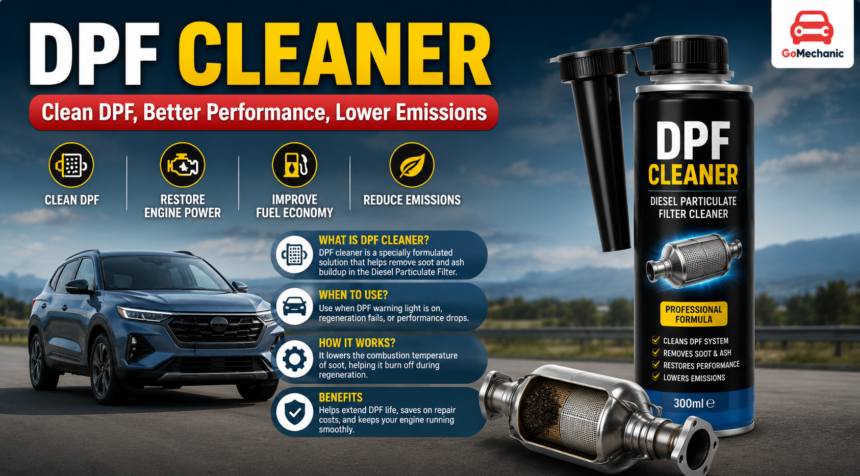
A DPF cleaner is a specially formulated additive or cleaning solution designed to remove soot, carbon deposits, and ash buildup from the Diesel Particulate Filter. Regular use can help restore performance, improve fuel economy, reduce emissions, and extend the lifespan of expensive DPF components.
For diesel vehicle owners, understanding how DPF cleaners work and when to use them can save thousands of dollars in repair costs.
What Is a Diesel Particulate Filter (DPF)?
The Diesel Particulate Filter is an emissions control device installed in modern diesel vehicles.
Its primary purpose is to trap harmful soot particles before they are released into the atmosphere.
Without a functioning DPF, diesel engines would emit significantly higher levels of:
- Carbon particles
- Soot
- Fine particulate matter
- Harmful pollutants
The DPF is commonly found in:
- Diesel cars
- Pickup trucks
- Commercial vans
- Heavy-duty trucks
- Construction equipment
How Does a DPF Work?
As exhaust gases pass through the filter, soot particles become trapped within the honeycomb structure.
When soot accumulation reaches a certain level, the vehicle initiates a process known as regeneration.
During regeneration:
- Exhaust temperatures increase.
- Trapped soot burns away.
- The filter clears itself.
- Normal exhaust flow is restored.
However, short journeys, city driving, and low-speed operation often prevent complete regeneration.
As a result, soot continues accumulating until cleaning becomes necessary.
What Is a DPF Cleaner and How Does It Work?
A DPF cleaner is formulated to lower the combustion temperature of soot particles.
This allows the soot to burn more efficiently during regeneration.
The cleaner works by:
- Breaking down carbon deposits
- Assisting regeneration
- Improving exhaust flow
- Reducing filter restriction
- Restoring engine efficiency
Some DPF cleaners are added directly to the fuel tank, while professional cleaning products are applied directly into the DPF system.
Common Symptoms of a Blocked DPF
A clogged DPF often gives several warning signs before complete failure occurs.
Recognizing these symptoms early can prevent costly repairs.
1. DPF Warning Light
The most common indication is the illumination of the DPF warning light on the dashboard.
The vehicle is warning that soot accumulation has reached a critical level.
2. Reduced Engine Power
A blocked filter restricts exhaust flow.
This causes:
- Poor acceleration
- Reduced horsepower
- Sluggish performance
Many vehicles enter “limp mode” to protect the engine.
3. Increased Fuel Consumption
The engine must work harder to push exhaust gases through a restricted filter.
This often leads to:
- Lower fuel economy
- Frequent fuel stops
- Higher operating costs
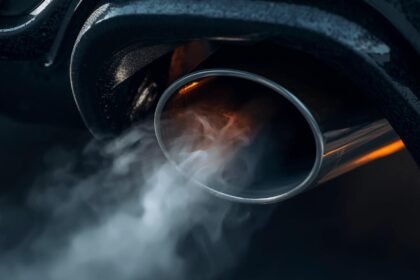
4. Excessive Exhaust Smoke
Although DPF systems are designed to reduce smoke emissions, a malfunctioning or blocked filter may cause:
- Black smoke
- Increased emissions
- Failed emissions tests
5. Frequent Regeneration Cycles
The vehicle may attempt regeneration more often than normal.
Signs include:
- Higher idle speed
- Cooling fans running frequently
- Increased fuel consumption
6. Engine Warning Light
In severe cases, the Check Engine Light may illuminate alongside the DPF warning.
This usually indicates a more serious blockage.
Main Causes of DPF Blockage
Several driving habits and mechanical issues contribute to DPF problems.
Short Distance Driving
Short trips are the leading cause of DPF blockage.
The engine often fails to reach the temperature required for regeneration.
Low-Speed Urban Driving
Vehicles driven primarily in city traffic may never maintain sufficient exhaust temperatures.
This allows soot to accumulate rapidly.
Faulty Fuel Injectors
Poor fuel atomization creates excessive soot.
The DPF must then work harder to trap contaminants.
Turbocharger Problems
A failing turbo may generate increased carbon deposits.
This accelerates DPF contamination.
EGR Valve Issues
A malfunctioning Exhaust Gas Recirculation (EGR) valve can increase soot production and contribute to filter blockage.
Symptoms Comparison Table
| Symptom | Mild Blockage | Moderate Blockage | Severe Blockage |
|---|---|---|---|
| DPF Warning Light | ✓ | ✓ | ✓ |
| Reduced Power | Slight | Noticeable | Severe |
| Fuel Consumption | Increased | High | Very High |
| Regeneration Frequency | Frequent | Constant | Failed |
| Check Engine Light | Rare | Possible | Common |
| Limp Mode | No | Sometimes | Usually |
Types of DPF Cleaning Methods
Not all DPF cleaning solutions work the same way.
Understanding the available options helps determine the best approach.
Fuel Additive DPF Cleaner
The most popular option.
Added directly into the fuel tank.
Benefits include:
- Easy to use
- Affordable
- Preventative maintenance
- Supports regeneration
Best for mildly restricted filters.
Spray DPF Cleaner
Applied directly through sensors or access ports.
Benefits include:
- Faster cleaning
- More effective on moderate blockages
- Professional-level results
Professional DPF Cleaning
Technicians remove the filter and clean it using specialized equipment.
Methods include:
- Thermal cleaning
- Air pulse cleaning
- Water-based cleaning
- Ultrasonic cleaning
Comparison of DPF Cleaning Methods
| Cleaning Method | Cost | Effectiveness | Best For |
| Fuel Additive | Low | Moderate | Preventive Maintenance |
| Spray Cleaner | Medium | Good | Moderate Blockage |
| Forced Regeneration | Medium | Very Good | Active Blockage |
| Professional Cleaning | High | Excellent | Severe Blockage |
| DPF Replacement | Very High | Complete Solution | Damaged DPF |
Benefits of Using a DPF Cleaner
Regular use of a quality DPF cleaner offers numerous advantages.
Improved Engine Performance
A cleaner DPF allows exhaust gases to flow freely.
Benefits include:
- Better acceleration
- Improved throttle response
- Increased power
Better Fuel Economy
Reduced exhaust restriction allows the engine to operate more efficiently.
Many drivers notice measurable fuel savings.
Lower Emissions
A properly functioning DPF significantly reduces harmful particulate emissions.
This helps vehicles meet environmental regulations.
Reduced Repair Costs
A blocked DPF can cost thousands of dollars to replace.
Preventative cleaning helps avoid major repairs.
Extended DPF Lifespan
Routine maintenance can dramatically increase filter longevity.
Many DPF systems last well beyond 150,000 miles when properly maintained.
How to Use a Fuel Tank DPF Cleaner
Using a DPF cleaner is generally straightforward.
Step 1
Check that the cleaner is compatible with your diesel vehicle.
Step 2
Add the recommended amount to the fuel tank.
Step 3
Fill the tank with diesel fuel.
Step 4
Drive at highway speeds for 20 to 30 minutes.
Step 5
Allow the vehicle to complete regeneration.
Following manufacturer instructions is essential for optimal results.
When Should You Use a DPF Cleaner?
DPF cleaner is most effective when used before severe blockage occurs.
Recommended situations include:
- DPF warning light appears
- Vehicle performance decreases
- Frequent city driving
- Before long road trips
- Preventative maintenance intervals
Many experts recommend using a DPF cleaner every 3,000 to 5,000 miles.
Can a DPF Cleaner Fix a Completely Blocked Filter?
Not always.
If the filter contains excessive ash buildup or physical damage, cleaning additives may not be sufficient.
In severe cases, professional cleaning or replacement may be required.
DPF Cleaner vs DPF Replacement
| Factor | DPF Cleaner | DPF Replacement |
| Cost | Low | Very High |
| Installation | Simple | Complex |
| Downtime | Minimal | Significant |
| Preventative Maintenance | Excellent | No |
| Fixes Physical Damage | No | Yes |
| Restores Severe Blockage | Limited | Yes |
Tips to Prevent DPF Problems
Following good driving habits can significantly reduce DPF issues.
Maintenance Checklist
✔ Use high-quality diesel fuel
✔ Avoid frequent short trips
✔ Drive on highways regularly
✔ Service injectors when needed
✔ Repair EGR faults promptly
✔ Use approved DPF cleaners
✔ Follow maintenance schedules
✔ Monitor warning lights immediately
Frequently Asked Questions
Does DPF cleaner really work?
Yes. Quality DPF cleaners help reduce soot buildup and support regeneration, particularly when used regularly.
How often should I use DPF cleaner?
Most manufacturers recommend every 3,000 to 5,000 miles or during routine maintenance.
Can DPF cleaner remove ash buildup?
No. DPF cleaners primarily target soot. Ash accumulation typically requires professional cleaning.
Is driving with a blocked DPF dangerous?
It can be. Severe blockages may cause limp mode, reduced power, increased fuel consumption, and potential engine damage.
How much does DPF replacement cost?
Depending on the vehicle, replacement costs typically range from $1,000 to $5,000 or more.
Final Thoughts
The Diesel Particulate Filter plays a vital role in reducing harmful emissions and keeping modern diesel engines environmentally compliant. However, soot accumulation is inevitable, especially for vehicles frequently driven in urban environments or on short journeys.
A quality DPF cleaner can help maintain filter efficiency, improve engine performance, reduce fuel consumption, and prevent expensive repairs. While additives are not a miracle cure for severely blocked filters, they are one of the most effective preventative maintenance tools available for diesel vehicle owners.
By recognizing early warning signs, following proper maintenance practices, and using DPF cleaners regularly, drivers can extend the life of their DPF system and avoid costly replacement expenses.