


What Is a Power Steering Pump and Why Is It Important?
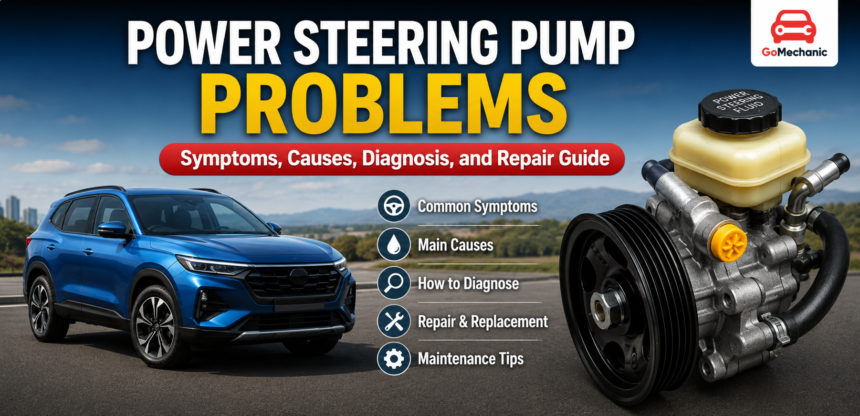
The power steering pump is one of the most critical components in a vehicle’s steering system. It provides hydraulic pressure that helps drivers turn the steering wheel with minimal effort. Without a properly functioning power steering pump, steering becomes significantly harder, especially at low speeds and during parking maneuvers.
- What Is a Power Steering Pump and Why Is It Important?
- How Does a Power Steering Pump Work?
- 1. Whining or Groaning Noise
- 2. Hard Steering Wheel
- 3. Steering Wheel Jerks or Vibrates
- 4. Power Steering Fluid Leak
- 5. Squealing Belt Noise
- 6. Foamy or Discolored Fluid
- Low Fluid Levels
- Contaminated Fluid
- Worn Bearings
- Damaged Drive Belt
- Excessive Heat
- Visual Inspection
- Fluid Inspection
- Pressure Testing
- Belt Inspection
- What does a bad power steering pump sound like?
- Can low fluid damage a power steering pump?
- How much does power steering pump replacement cost?
- Is power steering pump failure dangerous?
Modern vehicles use either hydraulic power steering, electro-hydraulic power steering, or fully electric power steering systems. In traditional hydraulic systems, the power steering pump is the heart of the operation, continuously circulating power steering fluid under pressure.
When the pump begins to fail, drivers often experience difficulty steering, unusual noises, fluid leaks, and reduced vehicle control.
How Does a Power Steering Pump Work?
The power steering pump is typically driven by the engine through a serpentine belt. As the engine runs, the pump pressurizes hydraulic fluid and sends it through hoses to the steering gear or steering rack.
The pressurized fluid reduces the effort needed to turn the wheels, making driving safer and more comfortable.
Main Components of the Power Steering System
| Component | Function |
|---|---|
| Power Steering Pump | Generates hydraulic pressure |
| Power Steering Fluid | Transfers hydraulic force |
| Steering Rack | Converts steering wheel movement into wheel movement |
| Reservoir | Stores steering fluid |
| Hoses and Lines | Carry fluid throughout the system |
| Drive Belt | Powers the pump from the engine |
Common Symptoms of a Bad Power Steering Pump
Recognizing early warning signs can help prevent expensive repairs and improve driving safety.
1. Whining or Groaning Noise
One of the first signs of a failing power steering pump is a whining sound when turning the steering wheel.
The noise often becomes louder when:
- Parking
- Making sharp turns
- Driving at low speeds
This usually indicates:
- Low fluid level
- Air in the system
- Internal pump wear
2. Hard Steering Wheel
If turning the steering wheel suddenly requires more effort than usual, the pump may not be producing sufficient hydraulic pressure.
Drivers may notice:
- Increased steering resistance
- Difficulty parking
- Heavy steering during slow-speed driving
3. Steering Wheel Jerks or Vibrates
A damaged pump may deliver inconsistent hydraulic pressure.
This can cause:
- Steering wheel vibration
- Jerky steering movements
- Unpredictable steering feel
4. Power Steering Fluid Leak
Hydraulic pumps rely on fluid pressure to function properly.
Signs of leakage include:
- Red or amber fluid under the vehicle
- Low reservoir levels
- Steering performance issues
Ignoring leaks can quickly destroy the pump.
5. Squealing Belt Noise
Sometimes the pump itself isn’t the problem.
A worn or loose serpentine belt can cause:
- Squealing noises
- Reduced pump efficiency
- Intermittent steering assist
6. Foamy or Discolored Fluid
Healthy power steering fluid should appear clean and transparent.
Bad fluid may become:
- Brown
- Black
- Foamy
- Contaminated with metal particles
This often indicates internal pump wear.
Main Causes of Power Steering Pump Failure
Several factors can shorten the lifespan of a power steering pump.
Low Fluid Levels
Low fluid is the number one cause of pump damage.
Without adequate lubrication:
- Internal components overheat
- Bearings wear rapidly
- Hydraulic pressure decreases
Contaminated Fluid
Over time, power steering fluid accumulates:
- Dirt
- Metal particles
- Moisture
Contaminated fluid acts like abrasive sandpaper inside the pump.
Worn Bearings
Pump bearings naturally wear over time.
Common symptoms include:
- Grinding noises
- Excessive vibration
- Fluid leakage
Damaged Drive Belt
A slipping belt can prevent the pump from spinning properly.
Consequences include:
- Reduced hydraulic pressure
- Steering difficulties
- Premature pump wear
Excessive Heat
High operating temperatures degrade both fluid and pump components.
Heat can cause:
- Seal failure
- Fluid breakdown
- Internal component damage
Bad Power Steering Pump vs Low Fluid
Many drivers mistakenly replace the pump when the real issue is low fluid.
| Symptom | Bad Pump | Low Fluid |
| Whining Noise | Yes | Yes |
| Hard Steering | Yes | Yes |
| Fluid Leak | Sometimes | Usually |
| Metal Debris in Fluid | Common | Rare |
| Steering Assist Loss | Severe | Moderate |
| Pump Replacement Needed | Often | Usually No |
Checking the fluid level should always be the first diagnostic step.
How Mechanics Diagnose Power Steering Pump Problems
Professional technicians use several methods to identify pump failures.
Visual Inspection
The mechanic checks for:
- Fluid leaks
- Cracked hoses
- Damaged belts
- Reservoir condition
Fluid Inspection
Technicians inspect:
- Fluid color
- Contamination
- Metal shavings
- Burnt smell
Pressure Testing
A pressure gauge measures pump output.
Low pressure usually indicates:
- Internal wear
- Damaged vanes
- Faulty pressure valves
Belt Inspection
A worn belt may mimic pump failure symptoms.
The mechanic checks:
- Belt tension
- Cracks
- Fraying
- Alignment
Can You Drive With a Bad Power Steering Pump?
Technically yes, but it is not recommended.
Potential risks include:
- Sudden loss of steering assist
- Increased driver fatigue
- Reduced vehicle control
- Damage to the steering rack
In emergency situations, drive only short distances and seek repairs immediately.
Repair Options for a Faulty Power Steering Pump
The best solution depends on the severity of the problem.
| Repair Option | Average Cost | Recommended When |
| Fluid Refill | Low | Fluid level is low |
| Fluid Flush | Low-Medium | Fluid contamination |
| Belt Replacement | Low | Belt wear detected |
| Hose Replacement | Medium | Leaks found |
| Pump Rebuild | Medium | Minor internal wear |
| Pump Replacement | Medium-High | Severe pump failure |
Power Steering Pump Replacement Process
A typical replacement involves:
- Draining old fluid
- Removing drive belt
- Disconnecting hoses
- Removing old pump
- Installing new pump
- Refilling fluid
- Bleeding air from system
- Testing steering operation
Most professional repairs require between 2 and 4 hours.
How Long Does a Power Steering Pump Last?
The average power steering pump lifespan is:
| Vehicle Usage | Expected Lifespan |
| Normal Driving | 100,000–150,000 miles |
| Heavy Use | 80,000–120,000 miles |
| Excellent Maintenance | 150,000+ miles |
Regular maintenance significantly extends pump life.
Preventing Power Steering Pump Failure
Following a few simple maintenance practices can save hundreds of dollars in repairs.
Maintenance Tips
✔ Check fluid levels monthly
✔ Replace contaminated fluid
✔ Inspect belts regularly
✔ Repair leaks immediately
✔ Avoid holding the steering wheel at full lock
✔ Use manufacturer-approved fluid
✔ Flush fluid according to service intervals
Frequently Asked Questions
What does a bad power steering pump sound like?
Most failing pumps produce a whining, groaning, or grinding noise that becomes more noticeable during turns.
Can low fluid damage a power steering pump?
Yes. Low fluid causes overheating and inadequate lubrication, which can permanently damage the pump.
How much does power steering pump replacement cost?
Depending on the vehicle, replacement typically ranges from $300 to $1,200, including parts and labor.
Is power steering pump failure dangerous?
It can be. Loss of steering assist increases steering effort and may reduce vehicle control during emergency maneuvers.
Final Thoughts
A failing power steering pump should never be ignored. Early symptoms such as whining noises, hard steering, fluid leaks, and steering wheel vibrations often indicate a developing problem that can become much more expensive if left untreated.
Routine inspections, fluid maintenance, and timely repairs can significantly extend the life of your steering system while ensuring safe and comfortable driving. If you notice any of the warning signs discussed in this guide, have your vehicle inspected by a qualified mechanic before minor issues turn into major repairs.