bg
By using this site, you agree to the Privacy Policy and Terms of Use.
Accept
OnlymechanicOnlymechanicOnlymechanic
Search
  • Contact
  • Contact
  • Contact
  • Contact
  • Blog
  • Blog
  • Complaint
  • Complaint
  • Complaint
  • Complaint
  • Advertise
  • Advertise
  • Advertise
© 2022 Foxiz News Network. Ruby Design Company. All Rights Reserved.
Reading: Inline Fuel Filter: Everything You Need to Know
Share
Sign In
Notification Show More
Font ResizerAa
OnlymechanicOnlymechanic
Font ResizerAa
Search
Have an existing account? Sign In
Follow US
  • Contact
  • Contact
  • Contact
  • Contact
  • Blog
  • Blog
  • Complaint
  • Complaint
  • Complaint
  • Complaint
  • Advertise
  • Advertise
  • Advertise
© 2022 Foxiz News Network. Ruby Design Company. All Rights Reserved.
Routine servicingUncategorized

Inline Fuel Filter: Everything You Need to Know

Mark Reynolds
Last updated: février 20, 2025 6:23 pm
Mark Reynolds
Share
inline fuel filters
SHARE

Table of Contents

  • Introduction
  • What Is an Inline Fuel Filter? 🚗⛽
    • Key Functions of an Inline Fuel Filter:
  • How Often Should You Change an Inline Fuel Filter? ⏳
    • 1. Manufacturer Recommendations 📖
    • 2. Driving Conditions 🚦
    • 3. Fuel Type (Diesel vs. Gasoline) ⛽
  • Signs That Your Inline Fuel Filter Needs Replacing 🚨
    • 1. Engine Misfires or Hesitation 🔥
    • 2. Reduced Fuel Efficiency ⛽
    • 3. Difficulty Starting the Engine 🚘
    • 4. Stalling or Power Loss ⚠️
    • 5. Strong Fuel Odor Around the Vehicle 🔥
  • How to Change an Inline Fuel Filter 🔧
    • Tools & Materials Needed:
    • Step-by-Step Process:
  • Conclusion
    • Have you ever changed an inline fuel filter yourself? Share your experience in the comments below! 👇

Introduction

An inline fuel filter is a crucial component in your vehicle’s fuel system, ensuring that clean fuel reaches the engine. By removing dirt, debris, and contaminants, it helps maintain engine performance, fuel efficiency, and longevity.

Contents
  • Table of Contents
  • Introduction
  • What Is an Inline Fuel Filter? 🚗⛽
    • Key Functions of an Inline Fuel Filter:
  • How Often Should You Change an Inline Fuel Filter? ⏳
    • 1. Manufacturer Recommendations 📖
    • 2. Driving Conditions 🚦
    • 3. Fuel Type (Diesel vs. Gasoline) ⛽
  • Signs That Your Inline Fuel Filter Needs Replacing 🚨
    • 1. Engine Misfires or Hesitation 🔥
    • 2. Reduced Fuel Efficiency ⛽
    • 3. Difficulty Starting the Engine 🚘
    • 4. Stalling or Power Loss ⚠️
    • 5. Strong Fuel Odor Around the Vehicle 🔥
  • How to Change an Inline Fuel Filter 🔧
    • Tools & Materials Needed:
    • Step-by-Step Process:
  • Conclusion
    • Have you ever changed an inline fuel filter yourself? Share your experience in the comments below! 👇

In this guide, we’ll explore what an inline fuel filter is, how it works, when to replace it, and step-by-step instructions on how to change it.

What Is an Inline Fuel Filter? 🚗⛽

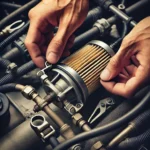
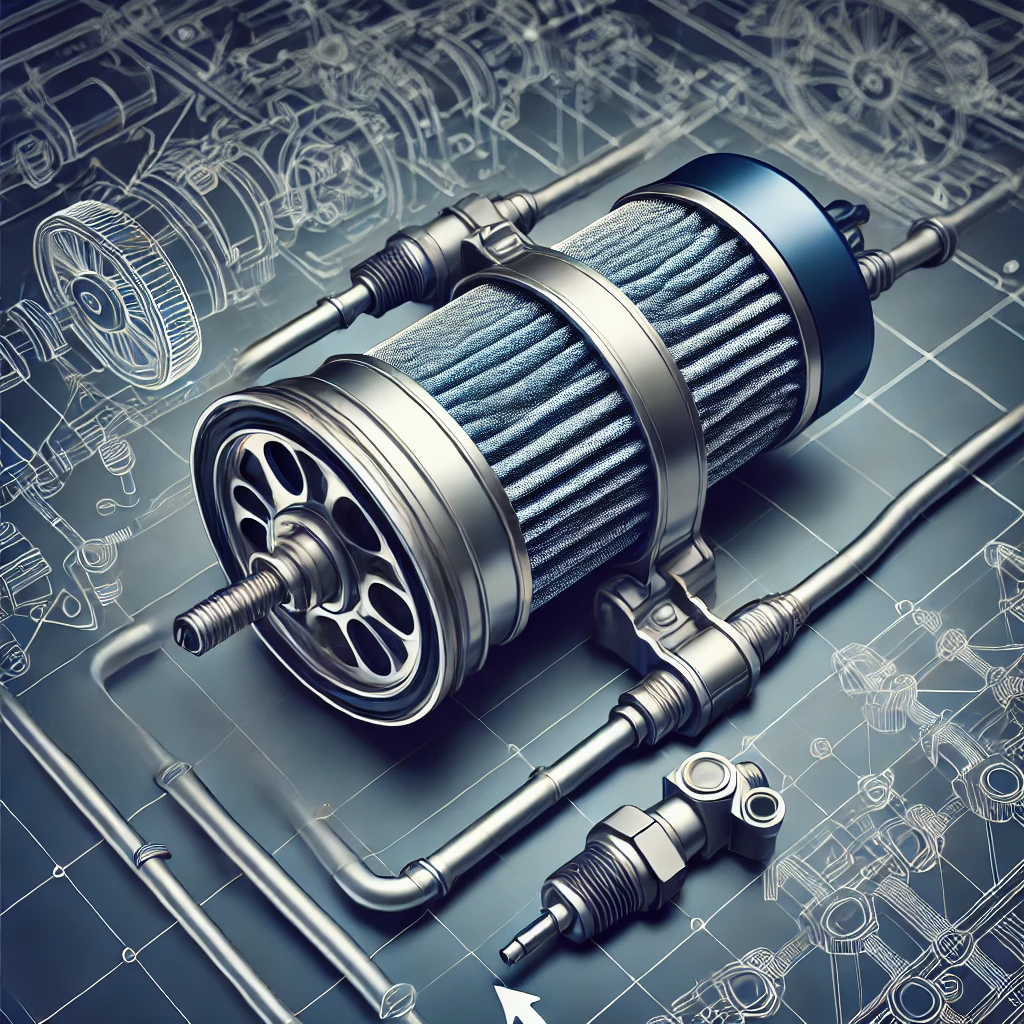
An inline fuel filter is a cylindrical or cartridge-type filter installed along the fuel line between the fuel tank and the engine.** It plays a vital role in filtering out contaminants before the fuel reaches the injectors and combustion chamber.

Key Functions of an Inline Fuel Filter:

  • Removes dirt, rust, and debris 🛑
  • Prevents clogged fuel injectors and fuel pump damage 🔧
  • Improves fuel efficiency and engine performance 🚀
  • Ensures smooth acceleration and reduced emissions 🌿

How Often Should You Change an Inline Fuel Filter? ⏳

The replacement interval for an inline fuel filter depends on several factors, including vehicle type, driving conditions, and fuel quality. Here are general guidelines:

1. Manufacturer Recommendations 📖

Most automakers recommend replacing the inline fuel filter every 20,000 to 40,000 miles (32,000 to 64,000 km). However, always consult your owner’s manual for specific recommendations.

2. Driving Conditions 🚦

If you frequently drive in harsh conditions, replace the filter more often. These conditions include:

  • High-dust environments (off-road driving, rural areas)
  • Poor fuel quality (low-grade or contaminated fuel)
  • Heavy stop-and-go traffic (urban driving)

For such conditions, replacing the filter every 15,000 to 20,000 miles may be beneficial.

3. Fuel Type (Diesel vs. Gasoline) ⛽

  • Gasoline vehicles typically require a fuel filter change every 30,000 miles.
  • Diesel vehicles may require more frequent replacements, around 10,000 to 15,000 miles, due to higher contamination risks.

Signs That Your Inline Fuel Filter Needs Replacing 🚨

Even if you follow recommended intervals, some symptoms indicate an immediate need for a fuel filter change:

1. Engine Misfires or Hesitation 🔥

A clogged filter restricts fuel flow, causing the engine to hesitate, misfire, or struggle to accelerate.

2. Reduced Fuel Efficiency ⛽

If you notice a drop in miles per gallon, a dirty fuel filter may be the culprit.

3. Difficulty Starting the Engine 🚘

A severely clogged filter may prevent enough fuel from reaching the engine, making it hard to start.

4. Stalling or Power Loss ⚠️

A restricted fuel supply can cause the engine to stall, especially when under load (e.g., accelerating or climbing hills).

5. Strong Fuel Odor Around the Vehicle 🔥

A damaged or leaking filter can cause fuel odors around your car, indicating a potential hazard.

How to Change an Inline Fuel Filter 🔧

If your vehicle has a replaceable inline fuel filter, follow these steps to install a new one:

Tools & Materials Needed:

  • New inline fuel filter
  • Safety glasses & gloves
  • Wrenches or socket set
  • Fuel line disconnect tool (if required)
  • Container for catching fuel spills

Step-by-Step Process:

  1. Relieve Fuel Pressure: Disconnect the fuel pump fuse and run the engine until it stalls.
  2. Locate the Fuel Filter: Check your owner’s manual; it’s usually along the fuel line between the fuel tank and engine.
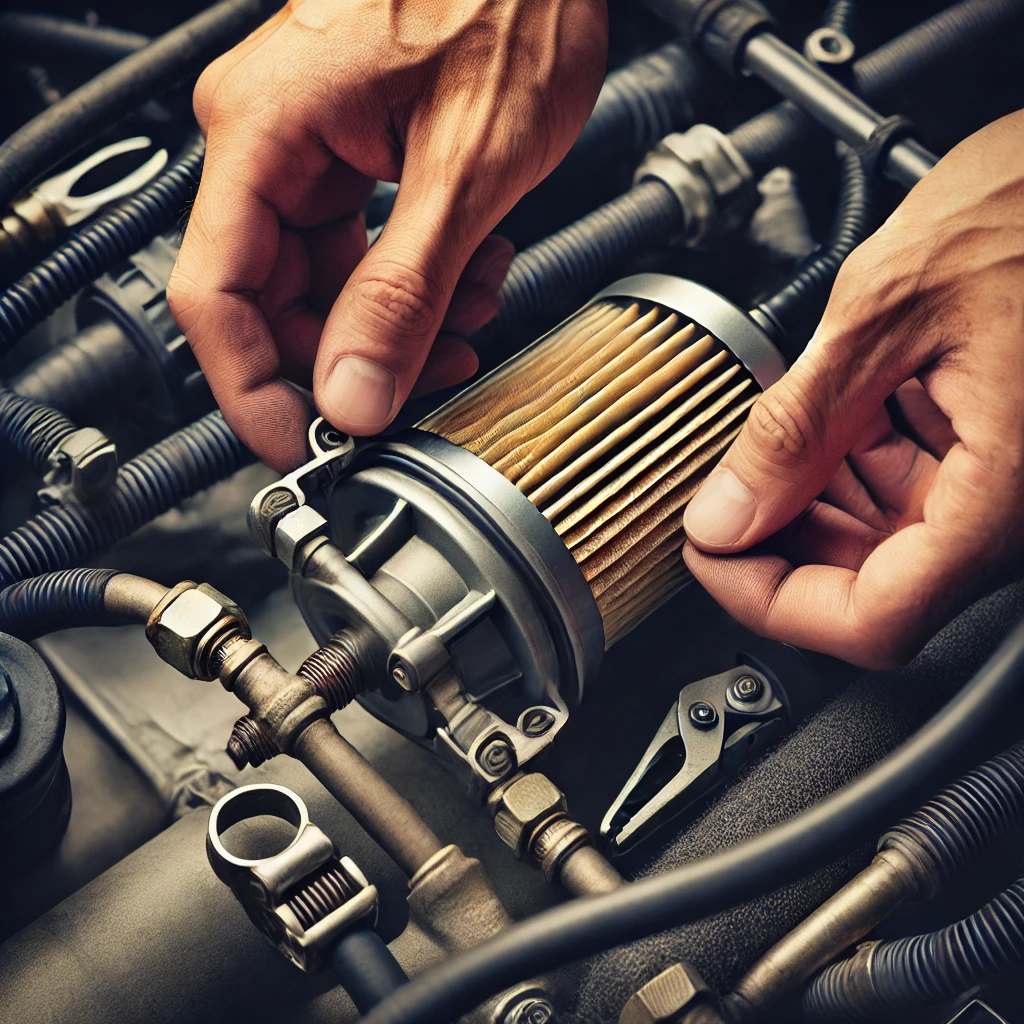
  3. Disconnect Fuel Lines: Carefully remove any clips or connectors holding the filter in place.
  4. Replace the Old Filter: Install the new filter in the correct orientation.
  5. Reconnect Fuel Lines & Test: Start the engine and check for leaks.

⚠️ Note: Some modern cars have non-serviceable inline fuel filters inside the fuel pump assembly. If your vehicle falls into this category, consult a mechanic for professional service

Conclusion

Replacing your inline fuel filter at the right intervals is essential for maintaining engine performance, fuel efficiency, and longevity. While manufacturer recommendations typically range from 20,000 to 40,000 miles, always watch for warning signs like engine misfires, power loss, and difficulty starting.

By staying proactive with fuel filter maintenance, you can prevent costly repairs and ensure your vehicle runs smoothly.

For more car maintenance tips and repair guides, check out our latest articles! 🚗⚙️
Have you ever changed an inline fuel filter yourself? Share your experience in the comments below! 👇

10 Warning Signs Your Engine Needs Urgent Repair
Electronic Stability Control: Why It’s Critical for Safety
Night Vision Assist in Cars: How It Improves Visibility
IPhone 13 Mini Review: The Small Phone That’s Actually Good
Transmission Flush Cost: A Complete Guide 2026
TAGGED:inline fuel filters

Sign Up For Daily Newsletter

Be keep up! Get the latest breaking news delivered straight to your inbox.
By signing up, you agree to our Terms of Use and acknowledge the data practices in our Privacy Policy. You may unsubscribe at any time.
Share This Article
Facebook Copy Link Print
Share
Previous Article What EcoBoost Engine What is an EcoBoost Engine? Everything You Need to Know
Next Article How Often to Change a Fuel Filter How Often to Change a Fuel Filter: A Complete Guide
Aucun commentaire

Laisser un commentaire Annuler la réponse

Votre adresse e-mail ne sera pas publiée. Les champs obligatoires sont indiqués avec *

Stay Connected

248.1KLike
69.1KFollow
134KPin
54.3KFollow

							banner							
							banner
Create an Amazing Newspaper
Discover thousands of options, easy to customize layouts, one-click to import demo and much more.
Learn More

Latest News

DPF Cleaner: Benefits, Uses, Symptoms of a Blocked DPF, and Complete Cleaning Guide
Exhaust and intake system upgrades Car Performance
Power Steering Pump Problems: Symptoms, Causes, Diagnosis, and Repair Guide
Uncategorized
Car AC
Car AC Not Blowing Cold Air: Causes, Diagnosis, and Repair Guide
Care & Accessories Car audio and tech installations
Types of Automotive Clutches: A Complete Guide for Beginners and Experts
Uncategorized

You Might also Like

Car MaintenanceRoutine servicing

How to Troubleshoot a No-Start Condition in Your Car: Step-by-Step Guide 🚗🔧

Mark Reynolds
Mark Reynolds
6 Min Read
Uncategorized

SW Tech Shows The Future of Next-Gen VR with Prototype Headset

Mark Reynolds
Mark Reynolds
4 Min Read
Coolant system
Routine servicing

How to Bleed a Coolant System ? : A Complete Guide

Mark Reynolds
Mark Reynolds
5 Min Read
//

We influence 20 million users and is the number one business and technology news network on the planet

Sign Up for Our Newsletter

Subscribe to our newsletter to get our newest articles instantly!

OnlymechanicOnlymechanic
Follow US
© 2022 Foxiz News Network. Ruby Design Company. All Rights Reserved.
Join Us!
Subscribe to our newsletter and never miss our latest news, podcasts etc..
Zero spam, Unsubscribe at any time.
Welcome Back!

Sign in to your account

Username or Email Address
Password

Lost your password?