

AdBlue Def: Complete Guide, Causes & Fixes for Car Owners and DIY Mechanics
Introduction
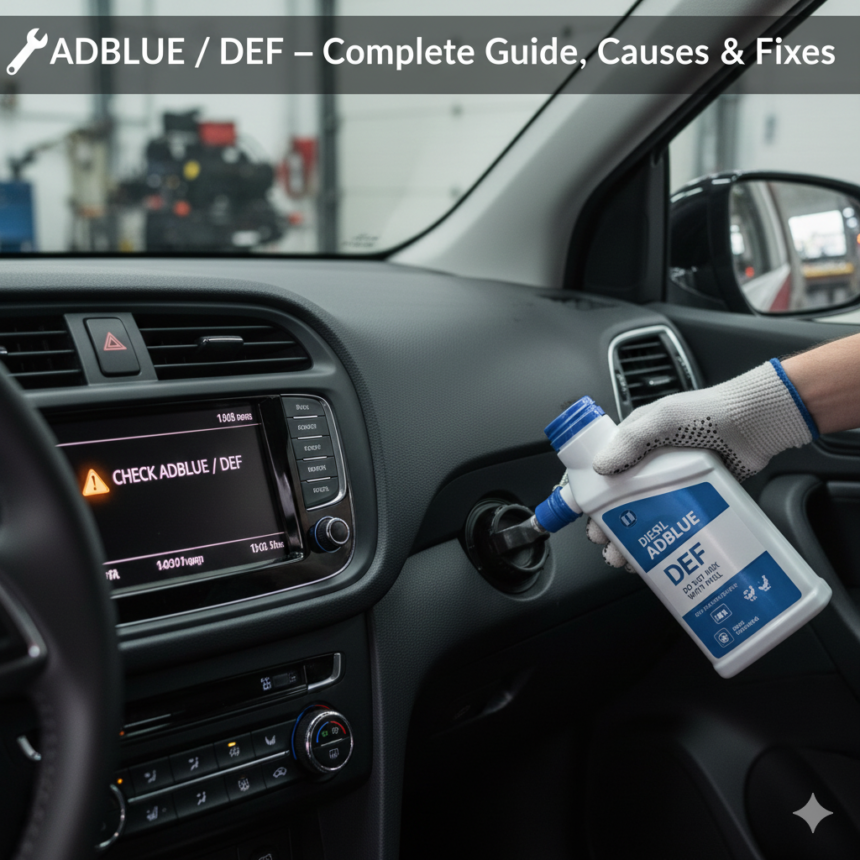
If you drive a modern diesel, you’ve probably seen the warning about AdBlue DEF on your dashboard or you’ve heard about it from a friend. This guide covers adblue def in plain language: what it is, why it matters, common causes of problems, and practical fixes you can do yourself or know when to call a pro. We’ll use region-relevant terms (DEF in the US, AdBlue in many European markets) and explain how the system works in everyday terms so you can keep your diesel running cleanly and reliably.
What it is / explanation
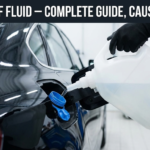
– What is AdBlue DEF? AdBlue is the brand name used in Europe for a diesel exhaust fluid (DEF) that diesel engines use to reduce nitrogen oxide (NOx) emissions. DEF is a 32.5% urea solution in water that, when sprayed into the exhaust stream, reacts with NOx in a special catalyst (the SCR or Selective Catalytic Reduction system) to convert NOx into harmless nitrogen and water.
– Why it matters? Clean emissions mean the car meets environmental regulations and avoids costly emissions-related faults. The DEF system is a closed loop that works with the engine management to maintain performance while keeping NOx within spec.
– Region-specific notes: In the United States, most trucks and many diesel cars rely on DEF (ISO 22241-compliant) as part of the SCR system. In Europe, AdBlue is the common branding and the same basic system is used. Regardless of brand, the chemistry and the function are the same.
Common causes
– Low DEF level or empty tank. The simplest and most common trigger for alerts or limp mode is a low DEF reservoir.
– DEF quality issues. Contaminants, improper storage, or old DEF can degrade performance, clog injectors, or harm the SCR catalyst.
– DEF dosing system problems. The injector pump, dosing valve, or related plumbing can fail, leading to insufficient DEF being sprayed into the exhaust.
– DEF heater or heating circuit failures. In cold climates, DEF is heated to prevent freezing and ensure it flows. A faulty heater can block flow.
– DEF leaks. Cracked lines, bad seals, or a tank cap seal can leak DEF, reducing available fluid and triggering warnings.
– SCR catalyst or NOx sensor faults. If the SCR catalyst becomes poisoned or a sensor malfunctions, NOx reduction can drop and cause fault codes.
– Wiring and control module faults. Faulty wiring or a PCM/ECU issue can misreport DEF status or inhibit the system.
Symptoms / how to identify the problem
– Warning lights and messages. Look for a DEF warnings, “AdBlue,” “DEF system fault,” or “Check engine” light. Some cars also show a countdown or a “tank low” warning tied to the DEF level.
– Reduced engine performance or limp mode. If the system detects a problem serious enough to affect NOx reduction, the vehicle may limit power or enter a reduced-performance state.
– DEF level indicator showing low or empty. A dashboard gauge or message can alert you to low DEF.
– Visible leaks or smells. You might notice a fluid leak under the vehicle or a noticeable acrid odor near the DEF components.
– Poor NOx performance on diagnostics. If you have an OBDII scanner, you may see NOx-related fault codes or codes indicating DEF quality or dosing issues.
– Spinning/frozen DEF symptoms in cold weather. In very cold climates, DEF can freeze; many systems are designed to thaw DEF, but repeated freezing cycles or a malfunctioning heater can trigger faults.
Step-by-step troubleshooting guide
First, gather the basics:
– Vehicle make, model, year, and your observed symptoms.
– Any fault codes if you have an OBD-II scanner.
1) Check DEF level and top up if necessary
– Make sure you’re using ISO 22241-compliant DEF from a reputable source.
– Top up to the recommended level with the engine cool. Do not mix brands or use contaminated DEF.
– After topping up, drive normally to see if warnings clear or the system completes a self-test.
2) Inspect DEF quality and storage
– DEF should be clear, blue-tinted, and free of particles. If you see cloudiness, crystals, or slime, DO NOT use it.
– Check the storage container: keep DEF away from sunlight, heat, and contaminants. Shelf life is typically around 12–24 months unopened; once opened, use it relatively quickly and keep the cap sealed.
3) Look for leaks and damage
– Inspect the DEF tank, cap, hoses, and lines for obvious signs of leakage, cracking, or loose connections.
– If you see a wet spot or a strong dye-like odor, there may be a leak that needs sealing or component replacement.
4) Test the DEF dosing unit and compatibility
– The dosing injector and pump deliver a precise amount of DEF into the exhaust stream. If it’s not delivering correctly, you’ll see NOx faults or repeated fault codes related to the DEF system.
– A blocked or clogged injector or a failed pump is a common cause of insufficient DEF dosing.
5) Check DEF heater and cold-start components
– In cold environments, DEF must be heated to prevent freezing and ensure proper flow. If the heater or related circuitry fails, DEF can’t reach the SCR system.
– Look for blown fuses, damaged wiring, or a non-functional heater relay.
6) Inspect the SCR catalyst and NOx sensors
– If the SCR catalyst becomes poisoned by contaminants or if a NOx sensor is failing, NOx reduction efficiency drops and fault codes may appear.
– Catalyst issues often require professional cleaning or replacement.
7) Read and reset fault codes
– Use an OBD-II scanner to read the codes. Common codes related to DEF/ SCR include DEF quality, DEF dosing, heater faults, and SCR catalyst faults.
– Some codes clear automatically after repairs, but in many cases you’ll need to clear codes with a scan tool and drive to allow the system to relearn.
8) Perform a system reset and test drive
– After addressing the suspected issue, clear codes and run the vehicle through a normal drive cycle including some highway speed. Monitor for new or recurring codes and watch the DEF level and warning lights.
When repair is possible vs when to visit a mechanic
– DIY-friendly fixes:
– Replacing a simple DEF fluid top-up and refilling with fresh DEF.
– Replacing a damaged DEF cap or a loose hose clamp.
– Replacing a faulty DEF tank sensor if access is straightforward.
– Cleaning or replacing easily accessible DEF filters (where applicable) per the service manual.
– When to visit a mechanic or authorized service center:
– Suspected DEF quality is poor (contaminated with water, crystals, or other impurities).
– DEF dosing unit, pump, or heater failure.
– SCR catalyst issues or persistent NOx sensor faults.
– Recurrent fault codes after component replacement and driving cycles.
– Instances where the car remains in limp mode or won’t start due to DEF system faults.
– Complex wiring or PCM/ECU problems affecting the DEF system.
Repair / Replacement Cost Estimates (USD)
– DEF top-up and basic inspection: $0–$50 (DIY); $50–$150 if done at a shop.
– DEF fluid replacement (fresh ISO 22241 DEF): $2–$3 per gallon at retailers; most tanks require 2–6 gallons depending on the vehicle, cost is typically $5–$20 for a full top-up at a pump.
– DEF tank sensor replacement: $100–$350 parts; $150–$400 labor (DIY possible with proper instructions, but often done with a full tank service).
– DEF dosing unit (injector) replacement: $400–$900 parts; $150–$350 labor.
– DEF heater replacement: $300–$800 parts; $100–$300 labor.
– SCR catalyst replacement: $1,200–$4,000 or more (parts only), plus labor in the range of $500–$1,500 depending on the vehicle and access.
– Full SCR system overhaul or PCM-related fault repair: $1,000–$5,000 depending on the extent of the fault and vehicle.
Note: Costs vary by vehicle make, model, horsepower, and regional labor rates. In the US, a dealer or specialist shop typically prices SCR-related repairs higher than independent shops. Always get a written diagnostic with codes before authorizing work.
Preventive tips
– Use only ISO 22241 DEF from reputable brands. Avoid water-contaminated, cloudy, or crystallized DEF.
– Store DEF properly: cool, dry place away from sunlight; keep the container sealed when not in use.
– Keep an eye on the DEF level and set reminders to refill before you’re dangerously low.
– Inspect the DEF system during regular service intervals. Ask your mechanic to check the pump, heater, and lines for wear or leaks.
– Avoid diluting DEF or exposing it to contaminants. Do not reuse old DEF from unsealed containers.
– If you frequently drive in very cold weather, ensure your vehicle’s DEF heater and warming circuits are functioning and that you use the correct winter-grade DEF if your region requires it.
– If a fault code appears, address it promptly. Deferring fixes can lead to more expensive repairs or a longer stint in limp mode.
FAQs
1) What is the difference between AdBlue and DEF?
– AdBlue is the brand name used in Europe for the diesel exhaust fluid used in SCR systems. DEF is the generic term used in the United States and other markets. Both refer to the same 32.5% urea solution used to reduce NOx.
2) How often should I refill DEF?
– It depends on driving conditions, vehicle load, and engine efficiency. Most drivers refill every few thousand miles when the warning appears, but it’s best to monitor the level and refill as needed. Regular checks help avoid unexpected system faults.
3) Can I drive with a DEF problem?
– Some vehicles will allow you to continue driving if the tank isn’t empty, but many will impose reduced power or enter limp mode to protect the emission system. If you see DEF warnings, address them promptly.
4) Is it safe to use non-original or non-ISO DEF?
– Use only ISO 22241-compliant DEF from reputable brands. Non-compliant fluids can damage the dosing system, SCR catalyst, or sensors and may void warranties.
5) How do I reset the DEF warning after filling?
– In many cases, the warning resets automatically after you refill and complete a drive cycle or after the diagnostic codes are cleared with an OBD-II tool. If the warning persists, there may be a fault code that needs to be cleared with proper diagnostic equipment.
Conclusion
AdBlue DEF systems are a crucial part of modern diesel emissions control. With careful maintenance, you can prevent most issues and keep your vehicle compliant and performing well. Start with the basics: keep the DEF tank full, use quality DEF, and watch for leaks or warning lights. When in doubt, or if you notice persistent faults, seek professional help sooner rather than later to avoid costly repairs or unexpected breakdowns.
Have car problems? Ask in the comments and I’ll help!