

What Is AdBlue and Why Do Modern Diesel Cars Need It?
Meta description (for SEO): Discover what adblue is, how it works in modern diesel engines, why it’s essential for meeting emission standards, and practical tips for refilling, safety, and common issues.
Introduction
If you own or drive a modern diesel car, you’ve likely seen a reference to AdBlue on your owner’s manual, dashboard alerts, or at the service station. AdBlue (a brand name widely used in Europe) is a special diesel exhaust fluid that helps diesel engines reduce harmful NOx emissions. In short, adblue is part of a larger system—the Selective Catalytic Reduction (SCR) system—that enables clean, compliant driving without sacrificing performance.
This guide explains adblue in plain terms: what it is, why today’s diesel cars need it, how it works, where it’s stored, how to refill it, and what to watch out for. It’s written to help both new buyers and seasoned drivers understand the role of adblue in meeting modern emission standards.
What is adblue? 🧪
– A DEF for Europe: adblue is the commonly used name for a diesel exhaust fluid (DEF) consisting of high-purity urea dissolved in deionized water. It’s designed for diesel engines that use Selective Catalytic Reduction to cut NOx emissions.
– Composition: The standard concentration is 32.5% urea in water. It is colorless when fresh and is dyed blue to distinguish it from other fluids. The blue dye is a visual cue to operators that they are handling the correct fluid.
– Not windshield washer fluid: AdBlue is a specialized chemical designed for exhaust treatment, not for cleaning glass or other uses. Using anything other than certified adblue can damage the SCR system.
– Brand and standards: AdBlue is a widely recognized trademark in the automotive industry (often used as a generic term for DEF in Europe). There are other DEF products available globally, but they all share the same basic function.
How adblue works in modern diesel engines 🧬
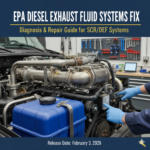
– The SCR system in the exhaust: After fuel combusts in the engine, the exhaust contains nitrogen oxides (NOx), which are harmful pollutants. The SCR system injects adblue into the exhaust stream before it reaches the catalytic converter.
– The chemical reaction: When adblue hits the hot exhaust, it breaks down into ammonia (NH3) and carbon dioxide (CO2). The ammonia then reacts with NOx over the SCR catalyst, converting NOx into nitrogen (N2) and water (H2O)—both harmless to the environment.
– Efficiency and NOx reduction: Depending on engine design and operating conditions, the SCR process can reduce NOx emissions by up to 90-95%. That level of reduction helps diesel cars meet strict Euro 6 (and beyond) emission standards.
– Why not just tune the engine? Reducing NOx at the exhaust end (SCR) is more effective and fuel-efficient than trying to lower NOx at the engine level alone. AdBlue enables clean combustion without compromising performance.
Why do modern diesel cars need adblue? 🚗
– Compliance with emission standards: In many regions, diesel engines must meet stringent NOx limits to reduce air pollution. SCR with adblue enables manufacturers to achieve these targets without resorting to extreme engine de-tuning.
– Performance without penalties: SCR lets engines run with good power and torque while still meeting regulatory requirements. The system is designed to blend with other emission control technologies (DPF, EGR, turbocharging) for optimal overall performance.
– Engine management and diagnostics: The vehicle’s ECU monitors the SCR system, including adblue levels, dosing accuracy, and the integrity of the catalyst. If something is off, the car will alert the driver, and in some cases, engine performance may be limited.
Refill, dosing, and theAdBlue tank 🧰
– Where to find the adblue tank: Most modern diesel cars have a separate AdBlue tank with its own refill port. The filler is often labeled and located near the fuel filler cap or in the engine bay. Some vehicles use a single universal cap, while others require service bay refills.
– Typical tank size and refill intervals: AdBlue tanks vary widely by vehicle size and design. A small passenger car might have a tank in the range of 8–20 liters. Because adblue usage depends on driving patterns and engine load, you’ll usually refill only every few thousand miles or when prompted by the dashboard warning.
– How to refill safely:
– Use only certified AdBlue/DEF fluid from a reputable source.
– Do not mix with other fluids.
– Avoid contamination by keeping the nozzle clean and not allowing the bottle to touch the inner tank.
– Do not overfill; most vehicles automatically stop filling when the tank is full.
– If you spill adblue, wipe it up promptly; it can be slippery and may stain surfaces.
– What if you run out? Driving with a depleted AdBlue system can trigger warnings and, depending on the car, may limit engine operation or prevent the car from starting after a certain grace period. It’s best to refill as soon as the low-level warning appears.
Key considerations for owners and drivers 🌍
– Quality matters: Always use fresh, certified AdBlue/DEF fluid. Contaminated or degraded fluid can clog sensors, damage the dosing system, or impair NOx reduction.
– Seasonal considerations: In very cold climates, AdBlue’s freezing point is around -11°C (for the 32.5% concentration). Modern vehicles are designed to handle winter conditions, but extreme cold can affect flow if the system is not functioning properly.
– Storage and handling: Store AdBlue in a cool, shaded place away from direct sunlight. Use clean containers and avoid exposing the fluid to dust or dirt, which can compromise purity.
– Environmental and safety notes: AdBlue is non-toxic in typical consumer exposure scenarios but should not be ingested. Keep it out of reach of children and animals. Spills should be cleaned promptly to avoid slippery surfaces.
Common issues, warnings, and troubleshooting ⚠️
– Warning lights and messages: If the AdBlue system flags a fault or low level, your dashboard will display a warning. The car may offer a “limp mode” or shorten trips to encourage a refill.
– Contamination problems: Impurities such as dirt, heavy metals, or incorrect additives can damage the dosing system or the SCR catalyst. Always use brand-appropriate AdBlue/DEF from a reputable source.
– Poor NOx reduction: If the NOx reduction efficiency drops, it could indicate a problem with the SCR catalyst, improper dosing, or a contaminated AdBlue supply. A dealership or qualified mechanic should diagnose and repair.
– Warranty and maintenance: AdBlue systems are generally included in the standard maintenance for new diesel vehicles. If you have a problem covered by warranty, consult your dealer for guidance on the service interval and replacement parts.
AdBlue safety and environmental impact 🧴
– Safety profile: AdBlue is a non-flammable, non-toxic solution, but it should not be ingested. In case of skin contact, rinse with water. If swallowed, seek medical attention.
– Environmental impact: The production and use of AdBlue contribute to reducing NOx emissions, improving air quality, and supporting public health benefits in urban areas.
– Disposal and recycling: Used AdBlue can be disposed of with regular household or automotive waste streams where local regulations permit. Do not dispose of AdBlue down the drain.
AdBlue vs. other terms you’ll hear 🧭
– DEF vs AdBlue: In North America and other markets, DEF (Diesel Exhaust Fluid) is the common term. AdBlue is the European brand name widely used in Europe and other regions. The chemical composition is the same, and the systems operate on the same principle.
– Urea solution: The core chemical is urea dissolved in deionized water. The 32.5% concentration is standard because it provides the right ammonia generation when heated in the exhaust.
– Not a chemical additive for the engine: AdBlue is specifically for exhaust treatment and cannot substitute engine oil, coolant, or other maintenance fluids.
Costs, availability, and practical tips 💰
– Price expectations: Prices for AdBlue/DEF vary by country and retailer but are generally affordable. Expect a per-liter price that’s several times cheaper than most premium automotive fluids. In many markets, a bottle or car-sized refill is a reasonable ongoing maintenance cost.
– Availability: AdBlue is widely available at service stations, automotive stores, and some supermarkets in regions with SCR-equipped diesel vehicles. In urban areas with high diesel usage, refills are common at regular service intervals.
– Practical tips for minimizing hassle:
– Monitor your AdBlue level regularly and refill before it gets too low.
– Keep a spare bottle in your trunk for longer trips where station access might be limited.
– Use a dedicated AdBlue nozzle when refilling to avoid contamination.
– If your car is experiencing frequent low-level alerts, have the system checked for leaks or a malfunctioning dosing unit.
FAQ: quick answers to common questions 📋
– Is adblue the same as windshield washer fluid? No. AdBlue is a certified diesel exhaust fluid used for NOx reduction; windshield washer fluid is not suitable for the SCR system.
– Can I use water instead of adblue? No. Only certified AdBlue/DEF should be used. Impurities or incorrect concentrations can damage the SCR system.
– Will my car run without AdBlue? Without AdBlue, the NOx reduction system won’t operate correctly, and many vehicles will limit performance or prevent starting once the level drops too low.
– Is adblue safe for the environment? Yes. When used as intended, AdBlue reduces NOx emissions, contributing to cleaner air.
Conclusion: why adblue matters for modern diesel drivers
AdBlue is a central piece of how modern diesel engines meet stringent emissions standards without sacrificing performance. By enabling effective NOx reduction through the SCR system, adblue helps reduce air pollution, supports public health, and ensures diesel vehicles stay within regulatory limits. For drivers, understanding adblue—where to find it, how to refill it, and what to do if warnings appear—helps keep your vehicle running smoothly and legally.
If you’re planning to purchase a diesel car or already drive one, you’ll likely encounter adblue as a routine maintenance item. Think of it as a smart, relatively low-cost investment in clean air and engine efficiency. Keep an eye on the level, use only high-quality adblue/DEF, and have any warnings inspected by a qualified technician to keep your SCR system healthy for years to come.
Content structure and on-page optimization notes (for SEO and user experience)
– Focus keyword: adblue (used naturally within the body and in several titles/subheadings where appropriate; ensure at least a few exact lowercase occurrences.
– Headings and sections: clear, scannable sections with topics relevant to search intent (what it is, how it works, why it’s needed, refilling, safety, common issues, cost, and FAQs).
– Readability: short paragraphs, bullet lists, and icons to assist quick scanning.
– Images/Icons: include real images or stock illustrations with alt text like “adblue container,” “SCR system diagram,” or “filling AdBlue” to improve accessibility and SEO. If you use icons, you can describe them as emoji in the text (e.g., 🚗, 🧪, 🧰) to help visual readers.
– Internal/external links: link to credible sources about SCR technology, emission standards (Euro 6/VI), and AdBlue manufacturer guidelines, plus internal links to related topics like diesel engines, NOx, and exhaust aftertreatment.
– Metadata suggestions: title tag including adblue and “What Is AdBlue and Why Do Modern Diesel Cars Need It?”; meta description with a concise summary and the keyword once or twice.
If you’d like, I can tailor this post to a specific audience (e.g., UK drivers, European markets, or fleet managers), adjust the tone (more technical vs. more consumer-friendly), or provide a ready-to-publish version with ready-made images and alt text.